Nirmala Sitharaman Highlights Poverty Beyond Income in LinkedIn Post
Union Finance Minister emphasizes that poverty is more than just a lack of income, citing recent World Bank findings.
Nearly 500 million Indians lifted out of poverty from 2011 to 2023.
Government interventions focus on household needs rather than cash handouts.
Future poverty alleviation strategies will integrate access to finance and digital markets.
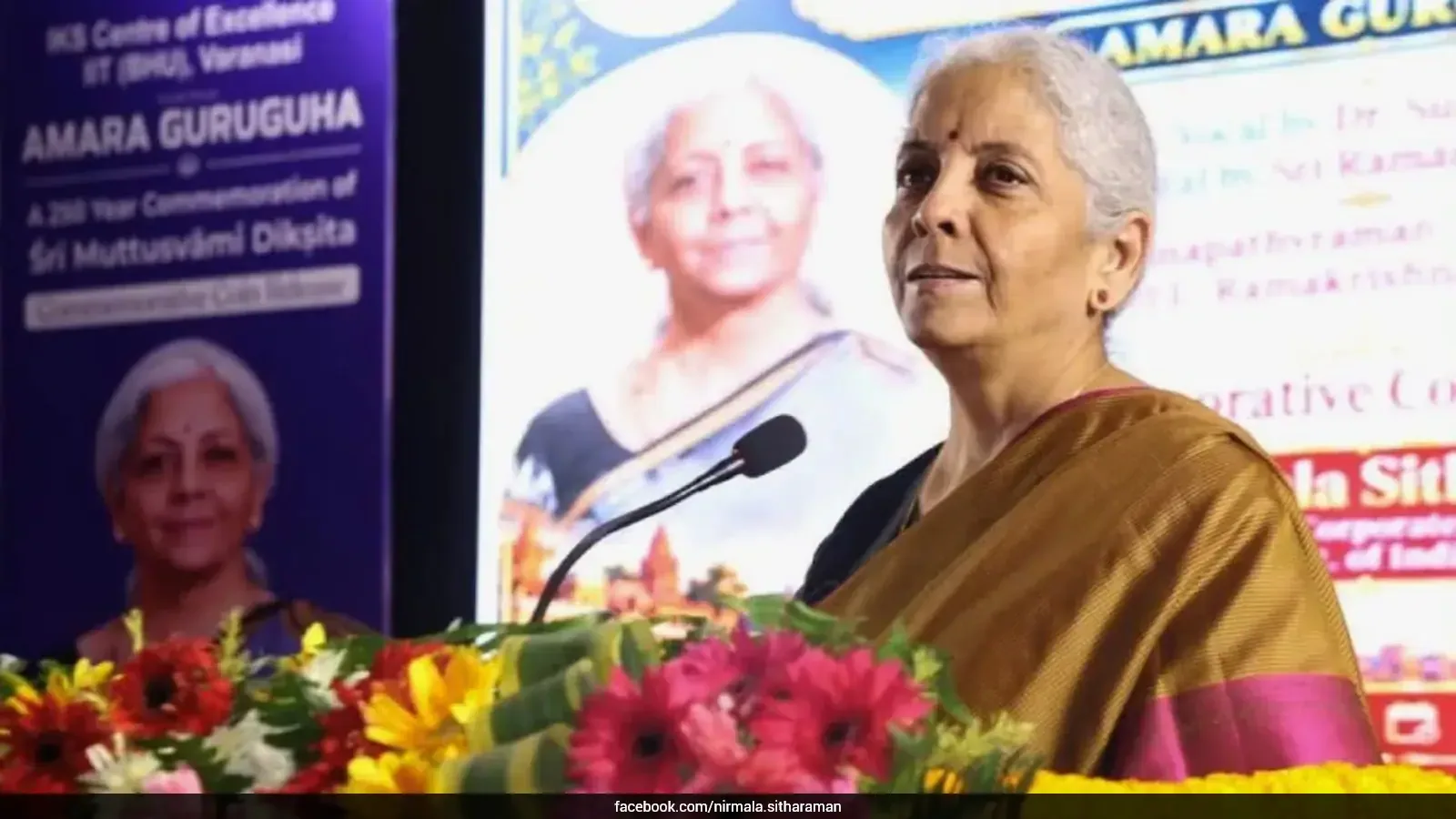
In a recent LinkedIn post, Union Finance Minister Nirmala Sitharaman articulated a comprehensive view of poverty, asserting that it cannot be solely defined by income levels. She emphasized that families lacking secure housing, clean water, sanitation, and healthcare remain at risk of financial instability, even if their earnings increase. This perspective is particularly relevant as India strives to address poverty in a more holistic manner.
Sitharaman referenced a World Bank report indicating that approximately 500 million individuals in India emerged from poverty between 2011 and 2023, with extreme poverty nearing eradication. She attributed this significant progress to targeted household interventions rather than mere financial assistance. The minister noted that for over sixty years post-Independence, the promise of eradicating mass poverty was largely unfulfilled, with India often perceived internationally as a nation grappling with persistent deprivation.
The finance minister criticized the traditional approach of providing cash to the impoverished, which was prevalent until the last decade. Under Prime Minister Narendra Modi's leadership, the government adopted a strategy focused on Antyodaya, which aims to uplift the most disadvantaged by addressing specific household needs. Sitharaman stated that the government’s interventions were designed to be measurable and tailored to effectively combat deprivation.
Sitharaman recounted her experiences with beneficiaries of the MUDRA scheme, highlighting the story of Sushmita Gharai from West Bengal, who revived her family’s printing business with a collateral-free loan after facing hardships during the COVID-19 pandemic. She also mentioned tribal women in Nagaland who have successfully marketed their millet-based products online, showcasing the potential for entrepreneurship among marginalized groups. These examples illustrate the government's commitment to fostering self-reliance and economic empowerment.
Looking ahead, Sitharaman stressed the importance of combining welfare measures with access to finance, markets, and digital opportunities. She outlined the government's initiatives to strengthen ties between academia and industry, promoting employment-linked incentives and infrastructure investments. As India aims for a developed nation status by 2047, these strategies are crucial to ensuring that those who have escaped poverty do not fall back into it.