Indonesian Navy Seizes Ship Carrying 405 Tonnes of Sodium Perchlorate
A vessel transporting a significant quantity of sodium perchlorate and unregistered SIM cards from China to Bangladesh has been intercepted by the Indonesian Navy.
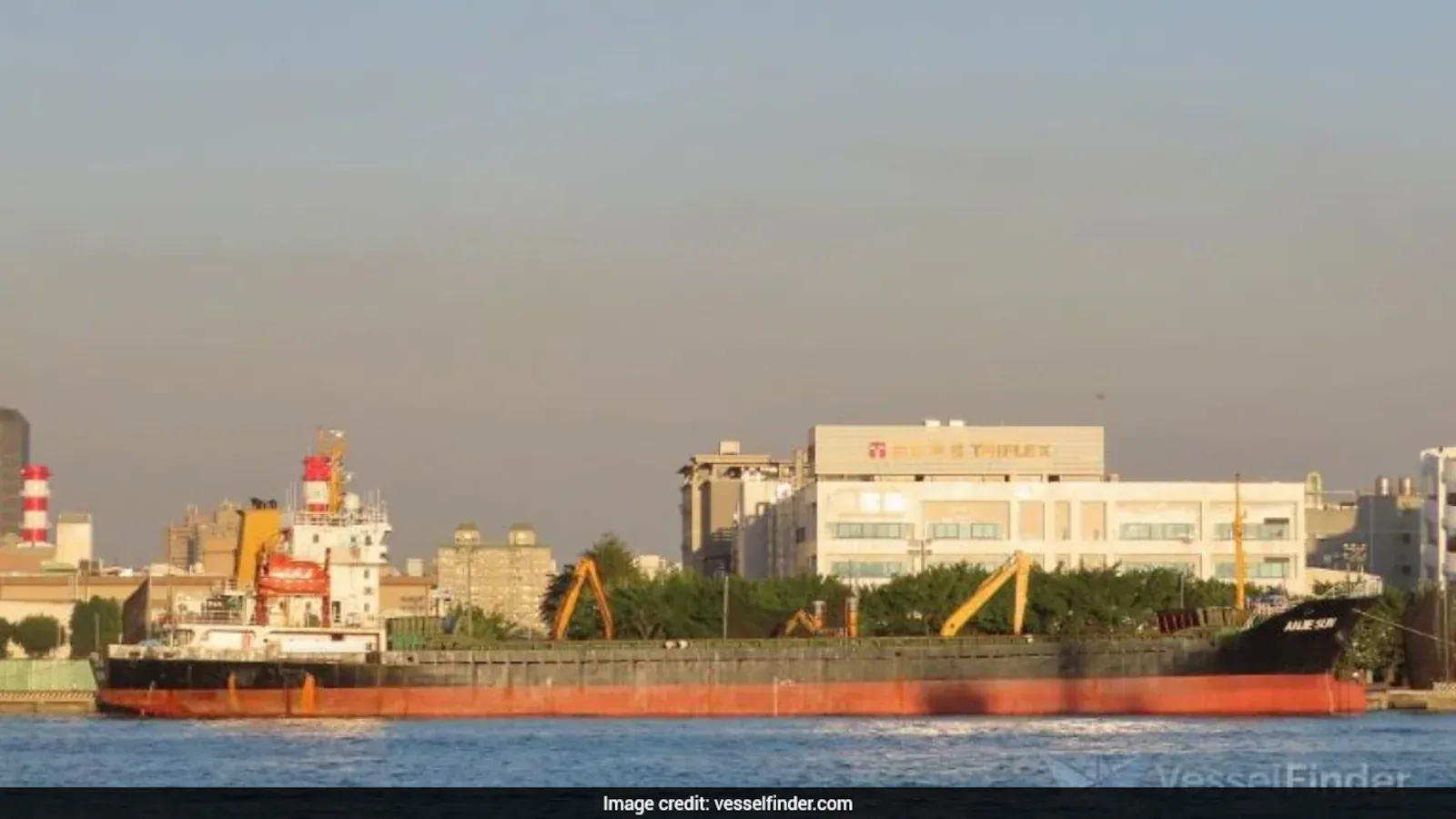
The MV Star Line was detained with 405 tonnes of sodium perchlorate, enough for 100 missiles.
Suspicious activity led to the inspection of the ship, revealing discrepancies in its cargo.
Indonesian authorities are investigating the ship's crew and the intended recipients of the chemicals.
The Indonesian Navy has successfully intercepted the MV Star Line, a Comoros-flagged vessel, which was carrying 405 tonnes of sodium perchlorate, a chemical used in missile production, along with millions of unregistered SIM cards. The ship was seized on November 7 while navigating from China to Bangladesh, raising serious concerns regarding the nature of its cargo and its final destination.
The seizure occurred in coastal waters off Belawan, where the vessel had anchored to refuel. Indonesian Navy personnel aboard the KRI Sigalu-857 noticed irregularities in the ship's route and initiated further inspections. Upon examination, they discovered that 15 of the 36 containers aboard were filled with sodium perchlorate, a potent oxidizing agent that could potentially be utilized in the manufacturing of up to 100 missiles.
Rear Admiral Denny Septiana, commander of the Indonesian Navy Regional Command-1, confirmed the findings and emphasized the importance of investigating the cargo's ownership and intended recipients in Bangladesh. The ship's documentation raised further questions, as its validity was marked as suspended despite showing an expiry date of October 8, 2027.
This incident highlights the risks associated with the transport of sensitive chemicals through international waters. The Indonesian authorities are currently probing the crew and the discrepancies found in the cargo manifest. The implications of this seizure extend beyond immediate security concerns, as it underscores the need for stringent regulations regarding the transport of hazardous materials.
Looking ahead, Indonesian authorities are expected to continue their investigations to ensure compliance with international shipping laws and to ascertain the legality of the voyage. The outcome of this case may influence future shipping practices and regulatory measures in the region.