Coalition Negotiations Between Netanyahu and Eisenkot Conclude Without Agreement
Discussions aimed at forming a unity government in Israel have ended without a resolution, leaving key issues unresolved.
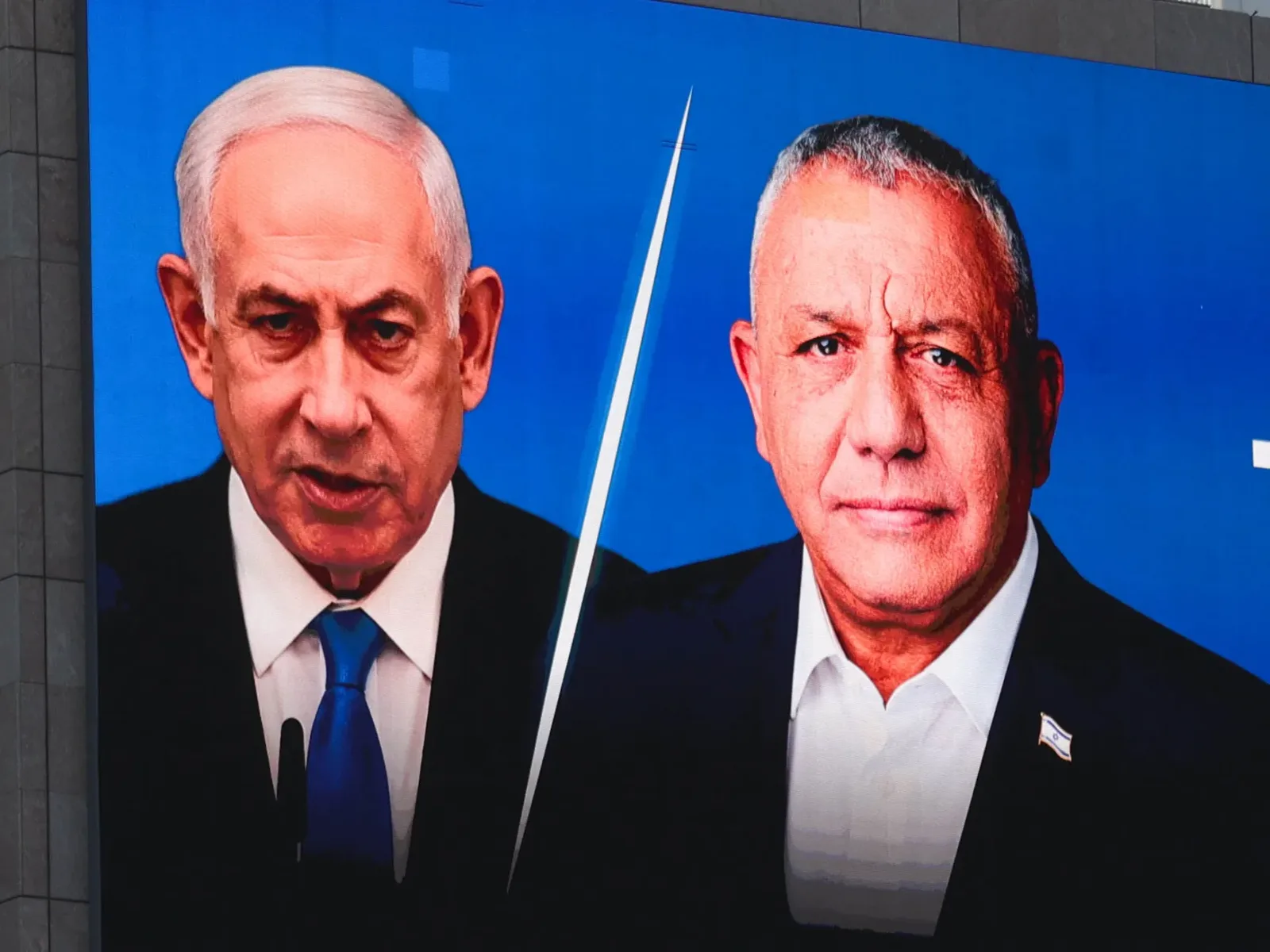
Netanyahu's Likud and Eisenkot's Yashar parties failed to reach a coalition agreement.
Key disagreements include leadership roles and the inclusion of far-right minister Itamar Ben-Gvir.
Eisenkot has until December 6 to form a government, potentially extending for 14 days.
Negotiation efforts between Israeli Prime Minister Benjamin Netanyahu's Likud party and opposition leader Gadi Eisenkot's Yashar party have concluded without a coalition agreement. The discussions took place at a hotel in Herzliya, where both parties remained divided over critical issues, including the leadership of the next government and the potential role of far-right National Security Minister Itamar Ben-Gvir.
The backdrop to these negotiations is the recent elections held in October, which resulted in Eisenkot's bloc securing 48 seats, falling short of the majority needed to form a government. Netanyahu has been advocating for a unity government, arguing that it is essential for ensuring Israel's security. However, this proposal has met resistance, particularly regarding the inclusion of parties led by Palestinian citizens of Israel, which achieved a historic 19 seats in the Knesset.
Reports indicate that Likud is keen on including Ben-Gvir in any future government, while Yashar has firmly opposed this idea. In a joint statement released after the talks, both parties acknowledged that they had discussed various substantive issues but did not provide a timeline for future meetings or negotiations. Eisenkot's deadline to form a government is December 6, with the option for a 14-day extension.
The implications of these stalled negotiations are significant for the political landscape in Israel. If the coalition talks do not progress, Yashar is preparing to initiate a confidence vote in the Knesset for a minority government. This government would rely on external support from the Arab Joint List and the United Arab List, which could reshape the dynamics of Israeli politics moving forward.
Looking ahead, the political uncertainty in Israel is likely to continue as both parties navigate their positions. With Eisenkot's mandate nearing its deadline, the next steps will be crucial in determining whether a coalition can ultimately be formed or if the country will face further political instability.