US Proposes 25% Tariff on Indian Imports with Negotiation Clause
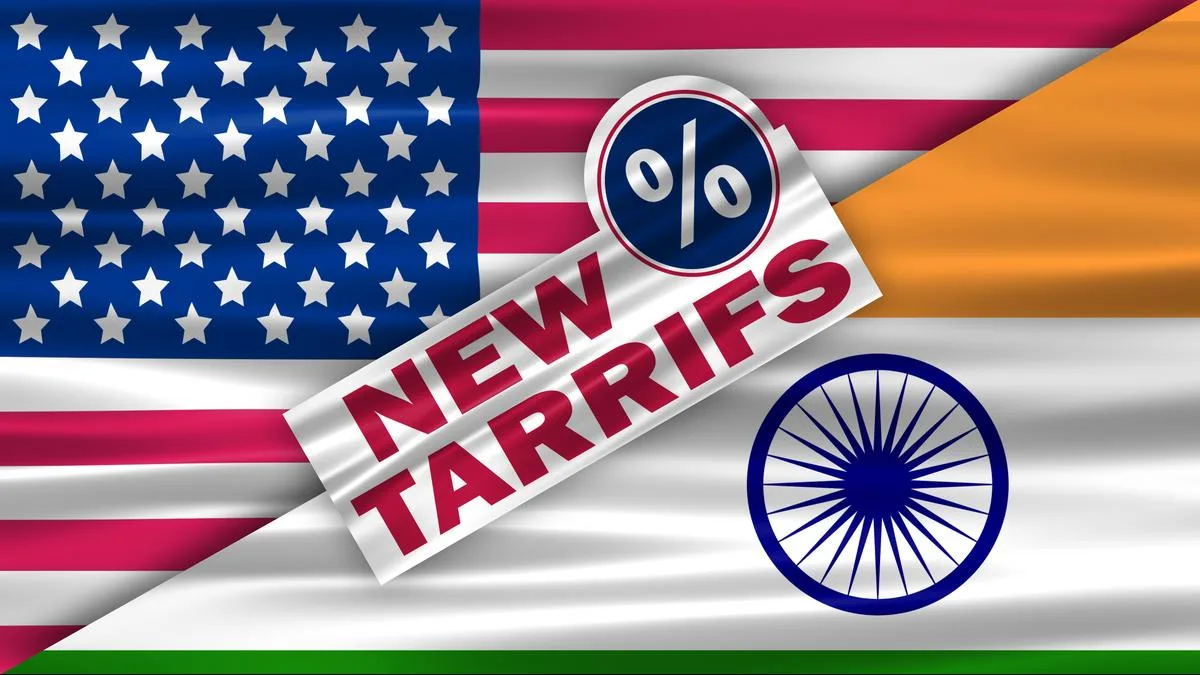
The US Trade Representative has unveiled a potential 25% tariff on Indian imports, which could drop to 17% if a trade agreement is finalized.
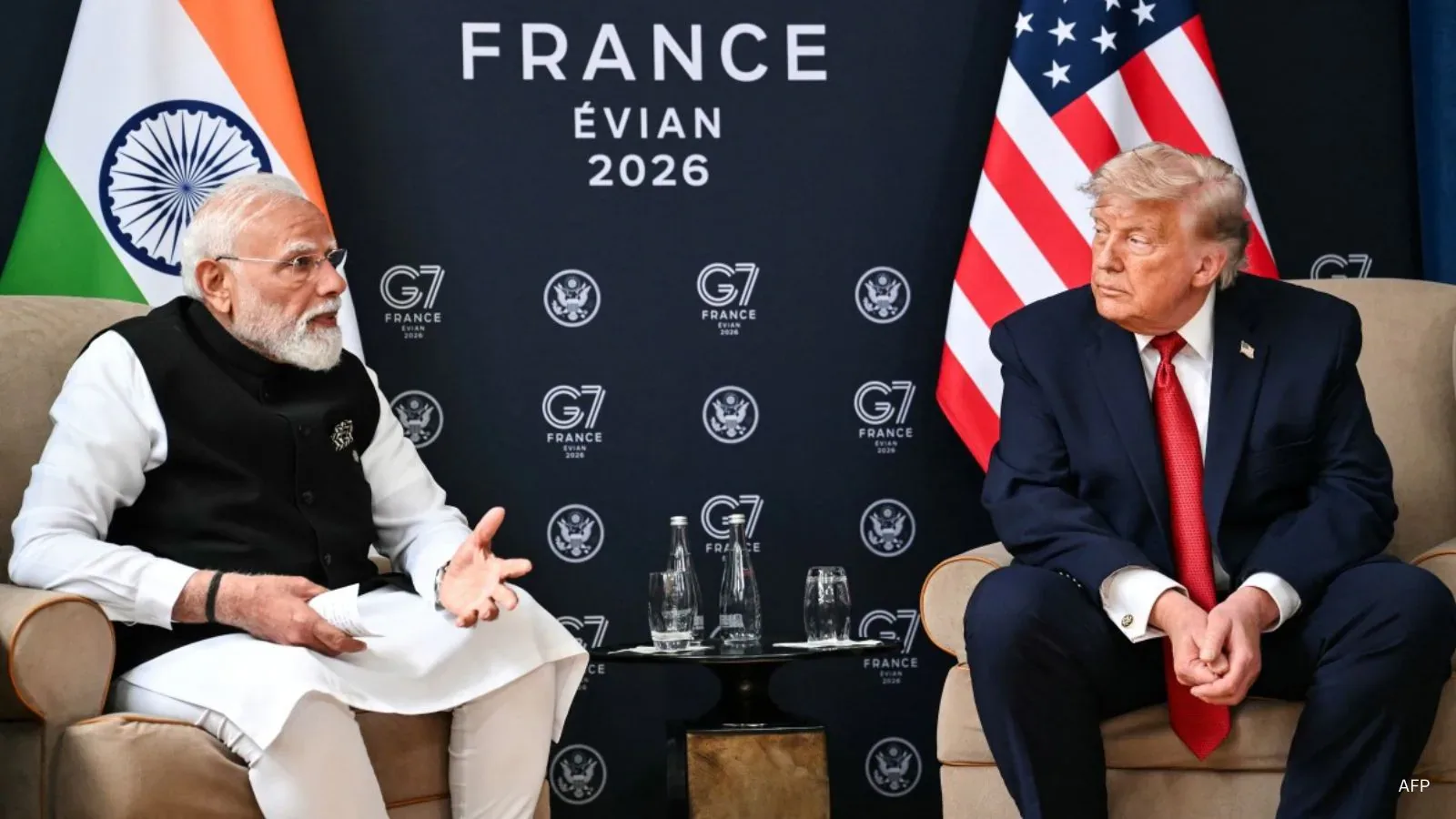
The proposed tariff aims to address concerns over India's industrial overcapacity.
India has rejected allegations of contributing to global overcapacity and seeks bilateral negotiations.
Public feedback on the tariff proposal is open until January 5, 2027, with a hearing scheduled for January 25.
The United States has introduced a significant trade proposal affecting India, suggesting a 25% tariff on imports from the country. This tariff could be reduced to 17% if a trade agreement is successfully negotiated between New Delhi and Washington. Despite ongoing discussions aimed at establishing a trade 'bridge' agreement, no formal deal has yet been reached, making this announcement both a tariff proposal and a strategic negotiating tool.
The US Trade Representative (USTR) has linked the proposed tariffs to a Section 301 investigation, which claims that India's industrial policies are contributing to global overcapacity and disadvantaging American companies. While certain items may be exempt from these tariffs, the USTR has emphasized that if a trade deal is not finalized by the time the tariffs take effect, the higher rate will remain in place. This situation arises from a backdrop of trade tensions, including retaliatory tariffs imposed by the US in August 2025, which saw duties on Indian goods rise significantly.
The USTR's proposal has raised concerns in India, which has denied the allegations of overcapacity and has called for trade discussions to be conducted through bilateral negotiations rather than the Section 301 process. The US has pointed to various aspects of India's industrial framework, including labor laws and trade barriers, as contributing factors to its grievances. India, on the other hand, has maintained that it does not face structural overcapacity in its industries.
The implications of the proposed tariff are significant, particularly as the US is India's largest export market. While the additional tariff could affect the competitiveness of Indian exports, it is not additive to existing tariffs. Approximately 45% of Indian exports to the US are reportedly outside the current 10% duty, meaning that not all sectors will be impacted equally. Industries such as textiles, electronics, and pharmaceuticals may face challenges depending on the final list of goods subject to tariffs.
Looking ahead, the USTR is currently accepting public comments on the tariff proposal until January 5, 2027, with a hearing scheduled for January 25. This timeline presents an opportunity for negotiation, as the difference between a 17% and a 25% tariff could significantly influence the competitiveness of Indian exporters. The Indian government will need to weigh its options carefully to achieve a favorable outcome, while the US views this proposal as a means to leverage negotiations on broader trade issues, including defense and technology partnerships.