Supreme Court Weighs Journalist Protections Amid Protests
Justice Joymalya Bagchi highlights distinctions between self-proclaimed and accredited journalists during a Supreme Court hearing.
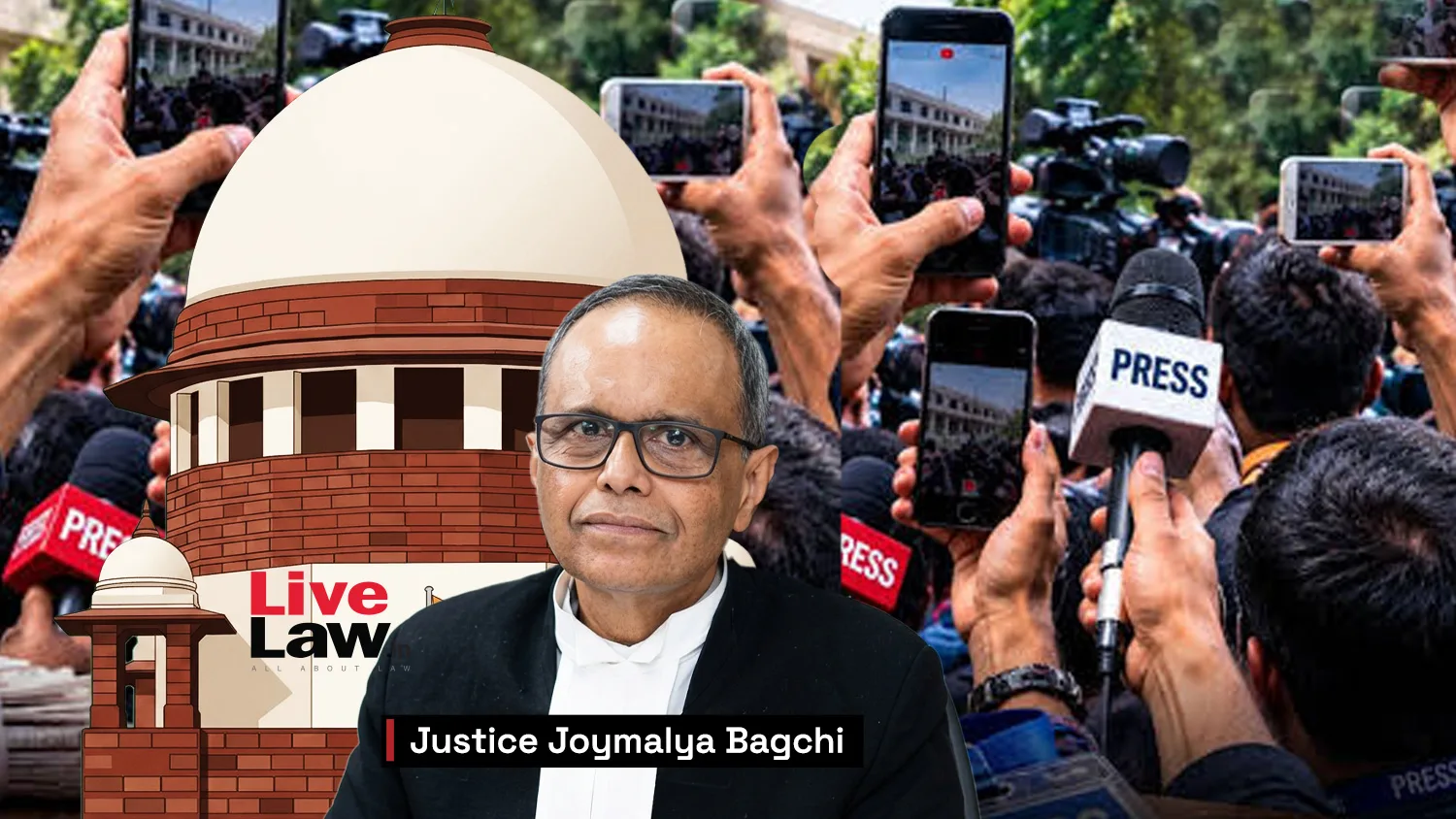
Justice Bagchi asserts self-proclaimed journalists may lack protections afforded to accredited ones.
The Supreme Court is considering the need for clear definitions of who qualifies as a journalist.
The Kerala Union of Working Journalists raised concerns over police treatment of journalists during protests.
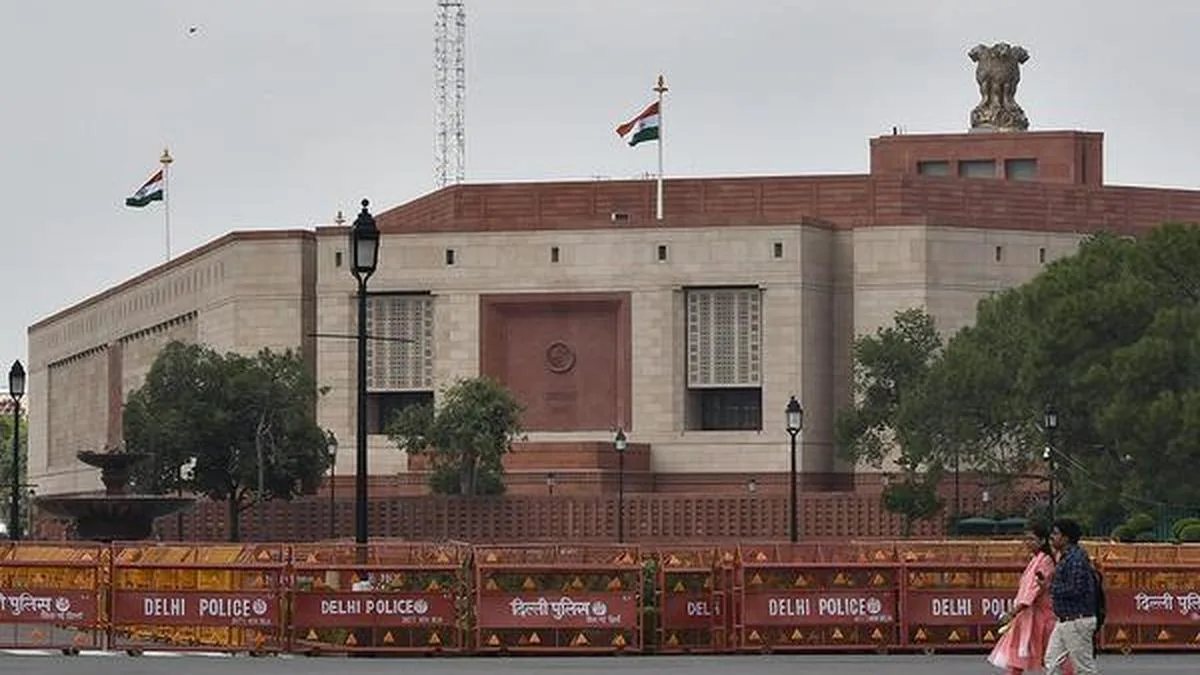
In a significant statement during a Supreme Court hearing on November 26, 2026, Justice Joymalya Bagchi indicated that individuals identifying themselves as journalists may not receive the same legal protections as those who are officially accredited. This remark came while addressing pleas regarding the treatment of journalists during anti-CEC protests in Delhi, where the court is evaluating the balance between journalistic freedoms and the state's duty to maintain public order.
Justice Bagchi emphasized that journalistic status cannot be self-assigned, noting that recognized journalists are typically affiliated with accredited media organizations. He pointed out that the current landscape includes many individuals claiming journalistic status without formal recognition, which complicates the issue of protection under the law. The judge's comments reflect ongoing concerns about the role of various media representatives, including traditional journalists and newer content creators, in public demonstrations.
The Supreme Court's discussions also follow the Delhi Police's stance that certain individuals, such as content creators and 'reel-makers', do not qualify for the same protections as journalists during protests. This legal distinction raises questions about the criteria for journalistic recognition and the implications for those covering events on the ground. Justice Bagchi noted the necessity of defining what constitutes a journalist, suggesting that it may involve registration with the Press Council or employment with recognized media outlets.
The implications of these discussions extend beyond individual cases, affecting the broader media landscape in India. The Kerala Union of Working Journalists has raised alarms over police harassment of journalists, prompting the court to consider whether journalists possess special privileges during public demonstrations. The court aims to clarify the balance between law enforcement's responsibilities and the rights of journalists, particularly in volatile situations.
As the Supreme Court continues to deliberate on these issues, the outcome may reshape the legal framework governing journalistic protections in India. Future hearings will likely focus on establishing clear guidelines for the treatment of journalists in various contexts, ensuring that the rights of accredited journalists are upheld while addressing the complexities introduced by self-proclaimed media representatives.