U.S. Proposes 25% Tariff on Indian Goods, Experts Advise Caution
Trade experts suggest India should carefully consider a trade deal with the U.S. in light of new tariffs.
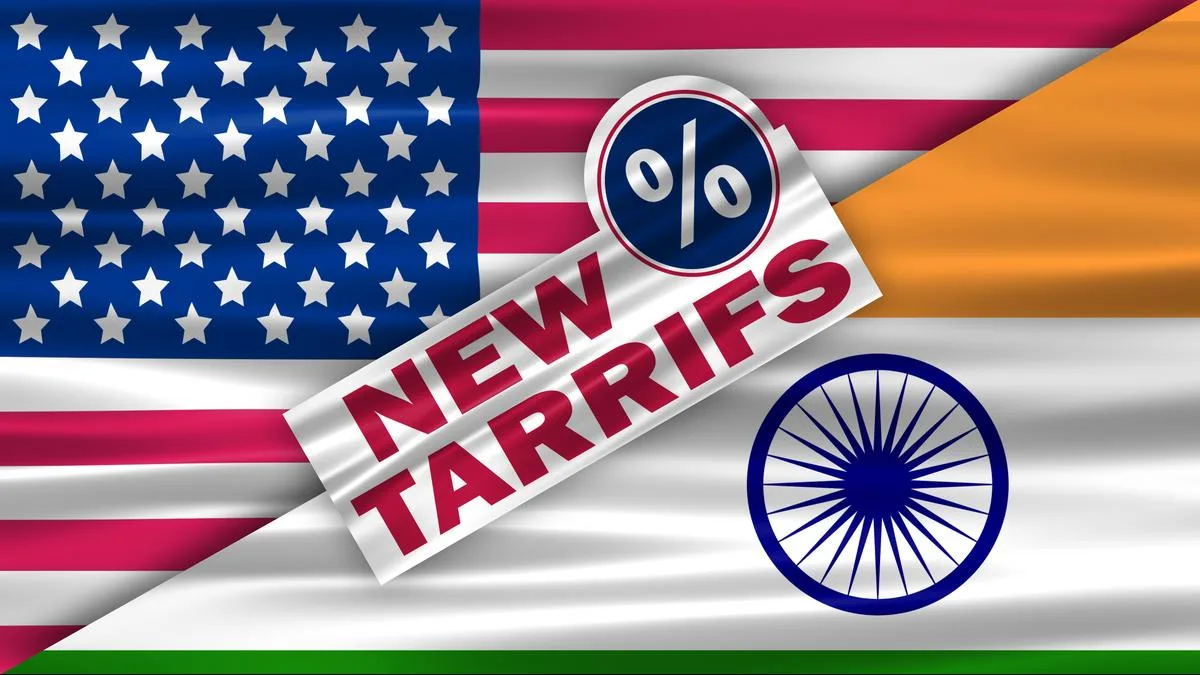
The U.S. has proposed a 25% tariff on Indian imports, potentially lowering to 17% if a trade deal is reached.
Experts recommend India proceed with a trade agreement only if it is balanced and protects national interests.
Current tariffs are not expected to significantly impact India's major exports to the U.S., including electronics and pharmaceuticals.
The U.S. Trade Representative has announced a proposed 25% tariff on goods imported from India, which could decrease to 17% if a trade agreement is finalized. This development has raised concerns among Indian exporters and trade experts, who emphasize the need for a cautious approach to any trade deal. They argue that India should only move forward if the agreement is equitable and serves its long-term economic interests.
Historically, the tariff relationship between the U.S. and India has fluctuated, with the current proposal reflecting a return to the initial tariff levels seen at the start of trade negotiations. The proposed tariffs are still subject to public comment until January 5, 2027, with hearings scheduled to begin on January 25, 2027, before any final decisions are made.
Experts from various sectors have analyzed the implications of these tariffs, noting that the impact on Indian exports may be limited. Anil Gupta, president of the PHD Chamber of Commerce and Industry, highlighted that India's primary exports to the U.S. include electronics, pharmaceuticals, and textiles, which account for over half of its total exports. These products are less sensitive to price changes, suggesting that the immediate effects of the tariffs may be minimal.
Despite the potential for reduced tariffs, analysts like Manoj Mishra from Grant Thornton Bharat caution that the proposed measures could still undermine India's export competitiveness and affect profit margins. They advocate for a strategic approach, urging India to leverage its expanding Free Trade Agreement network and diversify its export markets to lessen reliance on the U.S.
Looking ahead, trade experts recommend that India remain vigilant and not rush into a trade deal. The ongoing geopolitical landscape, including the looming threat of higher tariffs under the Lindsey O. Graham Sanctioning Russia and Iran Act, necessitates a careful evaluation of any agreements. As negotiations progress, India must ensure that its interests are safeguarded and that it can compete effectively in the global market.