Parliament Special Session Set for November 30 Amid Delimitation Bill Changes
The government has announced a special parliamentary session starting November 30, 2026, to discuss an amended Delimitation Bill.
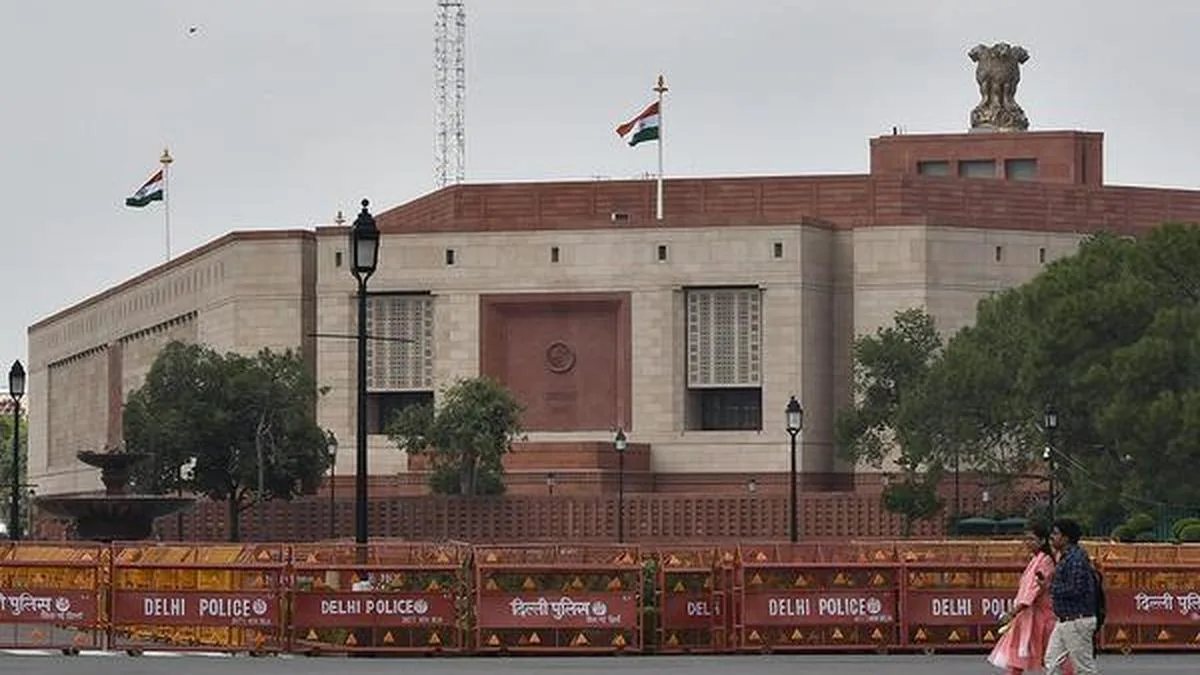
Parliament will convene on November 30 for Lok Sabha and December 2 for Rajya Sabha.
Key amendments include a 50% increase in Lok Sabha seats and a 25-year freeze on the 1971 Census for seat allocation.
Support from various parties, including YSR Congress and potential backing from DMK, is crucial for the bill's passage.
The Indian government has scheduled a special session of Parliament starting November 30, 2026, to address an amended Delimitation Bill. Union Parliamentary Affairs Minister Kiren Rijiju confirmed that the Lok Sabha will meet on November 30, followed by the Rajya Sabha on December 2, with both houses concluding their sessions on December 3. This marks a significant event as it is the first special session since the Monsoon Session adjourned on August 13, 2026.
The upcoming session comes after a legislative package, including the Delimitation Bill, faced defeat in April due to opposition unity in the Lok Sabha. The Union Cabinet is expected to approve the amended legislation on November 27, 2026. The proposed changes include a uniform 50% increase in Lok Sabha seats, an extension of the freeze on using the 1971 Census for determining state representation for 25 years, and the use of the 2011 Census for redrawing constituencies.
Political dynamics have shifted since the last session, with notable changes in party alignments. Twenty MPs from the Trinamool Congress (TMC) have joined the Nationalist Citizens Party of India (NCPI), while six Shiv Sena MPs have aligned with the Eknath Shinde-led faction. The YSR Congress, holding four Lok Sabha seats, is also expected to support the government. The backing of these parties is crucial for the government's confidence in securing the necessary votes for the bill.
The DMK and NCP are currently in a state of deliberation regarding their stance on the bill. Senior NCP leader Supriya Sule emphasized the importance of reviewing the bill before forming an opinion, suggesting that the opposition has historically supported government initiatives beneficial for the nation. Meanwhile, the DMK is reportedly concerned that not supporting the constitutional amendment could lead to reduced representation for Tamil Nadu in the Lok Sabha, given the implications of the upcoming Census.
With the government anticipating support from at least 358 MPs, it is just shy of the required majority in the Lok Sabha. The NDA holds a significant number of seats in the Rajya Sabha as well, positioning them close to achieving the necessary two-thirds majority. The outcome of this special session could have lasting implications for the political landscape and representation in India.