UN Predicts El Nino to Peak in December with Record Temperatures
The United Nations warns that El Nino will intensify and may become one of the strongest events since 1950, impacting global weather patterns.
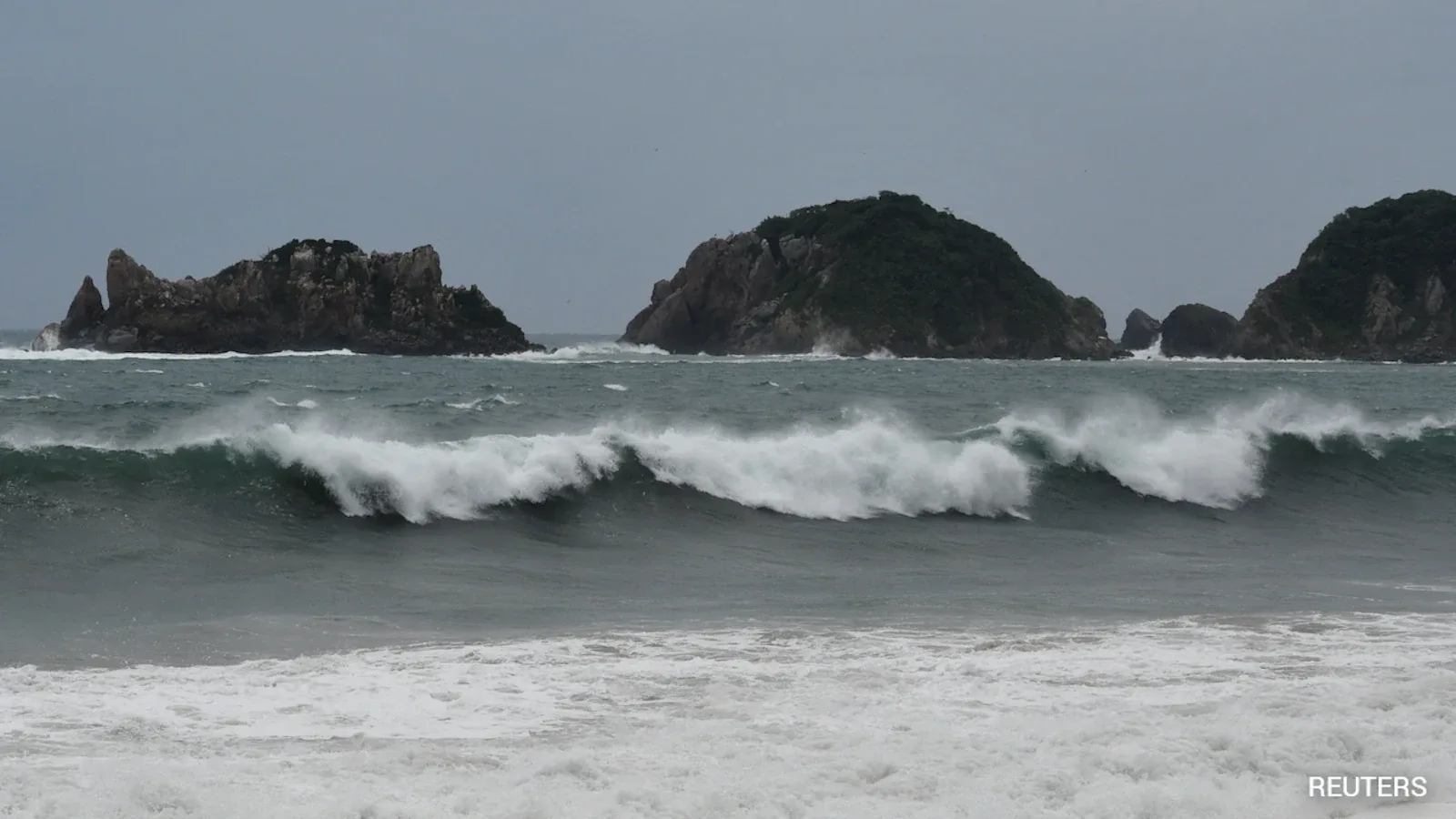
El Nino expected to peak in December, potentially the strongest since 1950.
Sea surface temperatures in the Pacific are projected to reach record levels.
The phenomenon is likely to exacerbate droughts and floods worldwide.
The United Nations has issued a warning regarding the intensification of the El Nino weather phenomenon, predicting it will peak in December 2026. According to the World Meteorological Organization (WMO), this event could be one of the most powerful occurrences since 1950, significantly affecting global temperatures and weather patterns.
El Nino is characterized by warmer surface temperatures in the central and eastern Pacific Ocean, which leads to alterations in wind, pressure, and rainfall across the globe. The WMO's monthly Global Seasonal Climate Update highlights that this phenomenon typically recurs every two to seven years and lasts approximately nine to twelve months. The current El Nino is expected to bring above-average temperatures and shift rainfall patterns, increasing the likelihood of droughts in some regions and floods in others.
Recent forecasts indicate that sea surface temperatures in the affected areas are anticipated to rise to unprecedented levels between October and December 2026. The WMO noted that the index measuring these temperature anomalies has surged from 1.6 degrees Celsius above normal in June to 2.5 degrees Celsius above normal in August, with projections suggesting a peak anomaly of around 3.7 degrees Celsius above normal for the upcoming months. This would surpass the previous record set during the 2015-2016 El Nino event.
The implications of this El Nino are already being felt in various regions, particularly in Central America, where drought conditions are leading to significant losses in agriculture and livestock. The WMO has confirmed a near-100 percent likelihood that the current El Nino will persist through February 2027, further complicating the global climate crisis exacerbated by human activities.
As the situation develops, experts emphasize the importance of monitoring El Nino's progression and its potential impacts on economies, ecosystems, and communities worldwide. With the peak expected in December, further updates will be crucial for understanding the full extent of this weather phenomenon's effects.