UN Human Rights Office Calls for Immediate Release of Detained Protesters in India
The UN urges India to respect the right to peaceful assembly amid mass detentions during recent protests in Delhi.
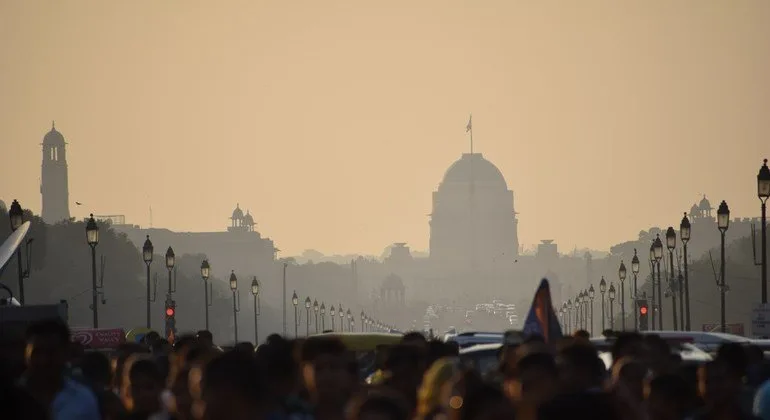
UN expresses concern over mass detentions of protesters and civil society members in India.
Demonstrators are advocating for electoral reforms and the resignation of the election commission head.
Authorities are urged to engage in dialogue and ensure the right to peaceful assembly.
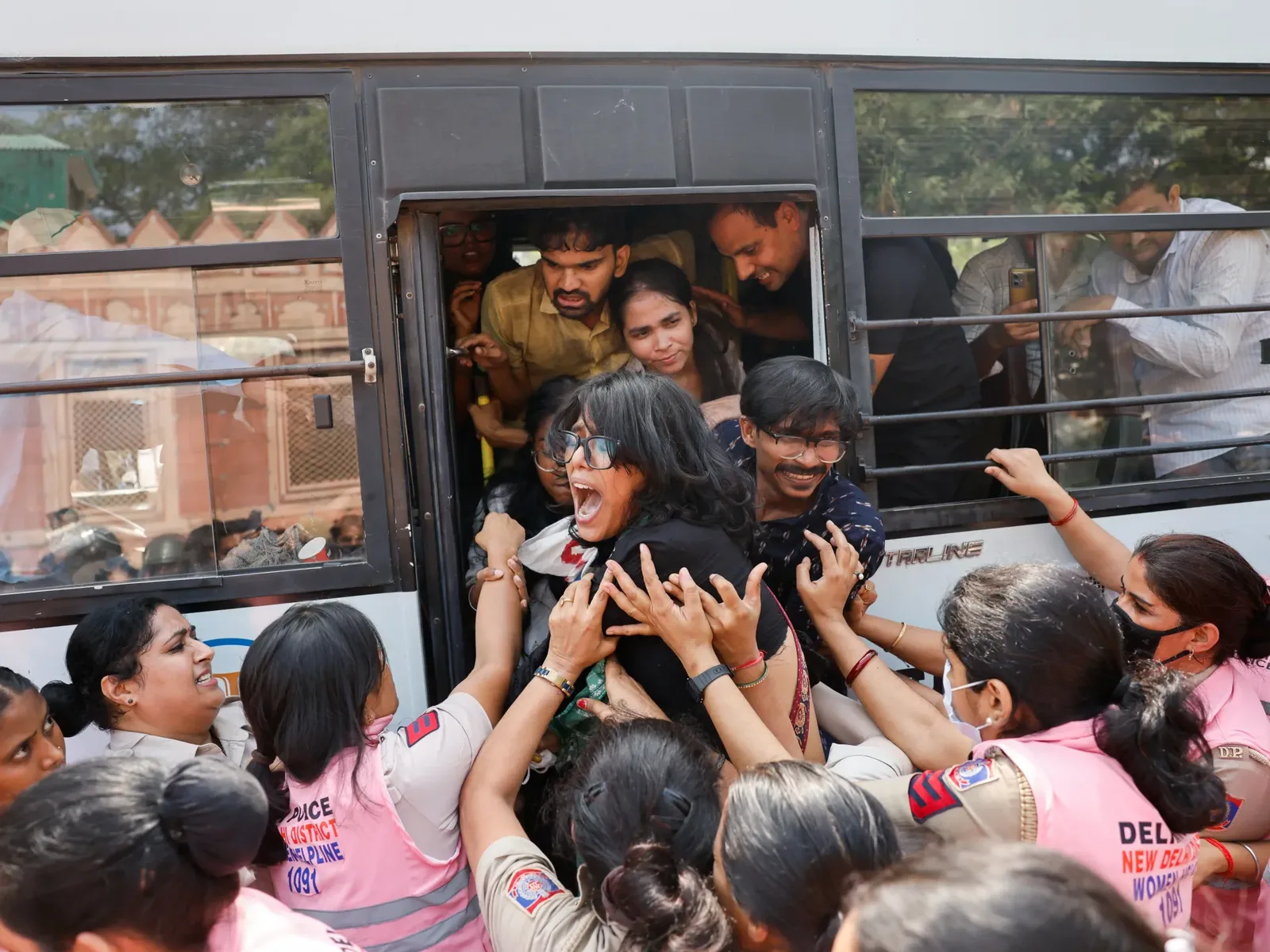
The United Nations human rights office has raised alarms regarding the mass detentions of protesters in India, particularly in connection with recent demonstrations in Delhi. These protests, organized by a youth-led movement advocating for electoral reforms, took place on Saturday, with participants demanding the resignation of the head of India's election commission. Reports indicate that numerous demonstrators, including protest leaders, civil society members, lawyers, and journalists, were detained prior to and during the event.
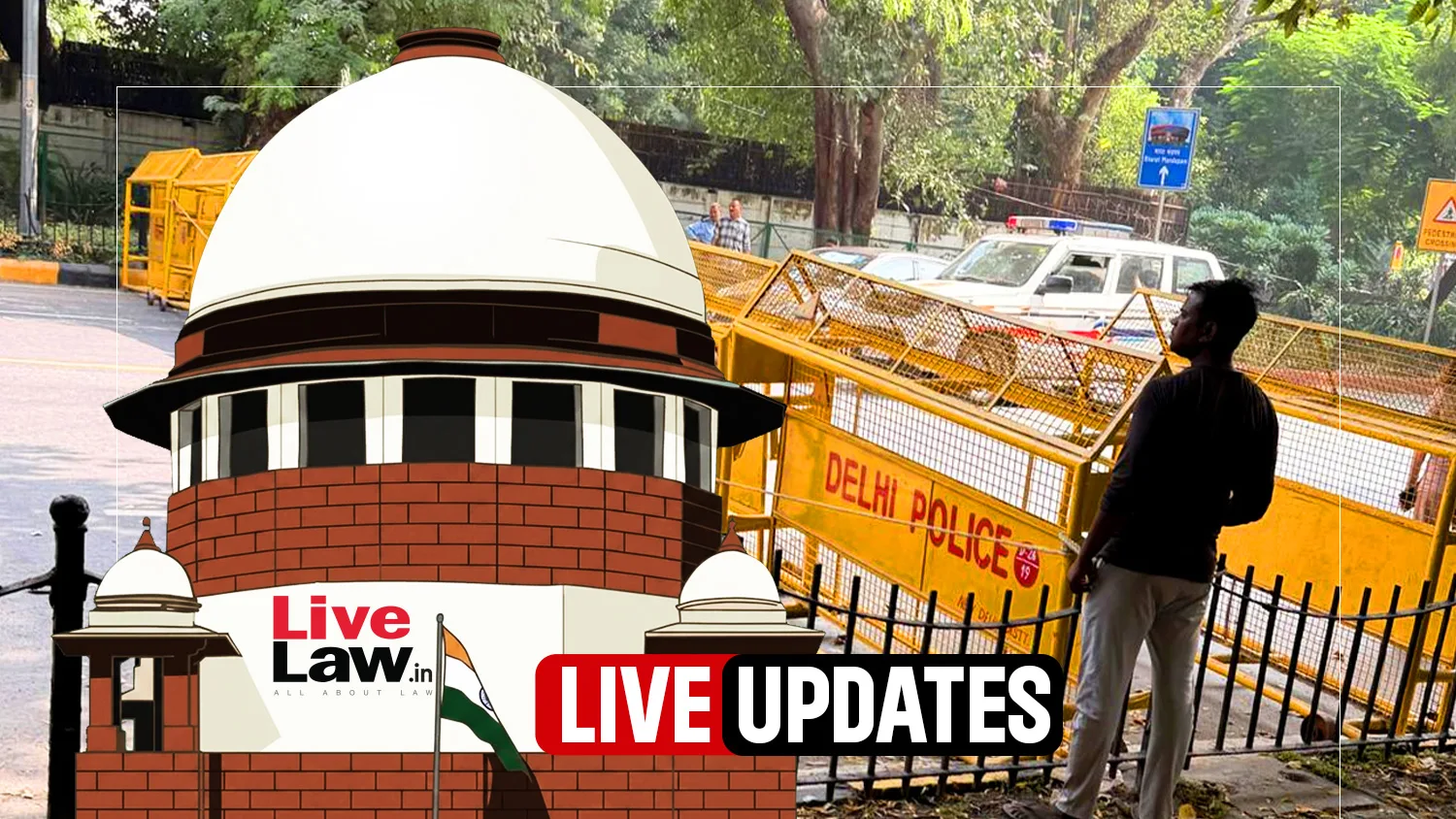
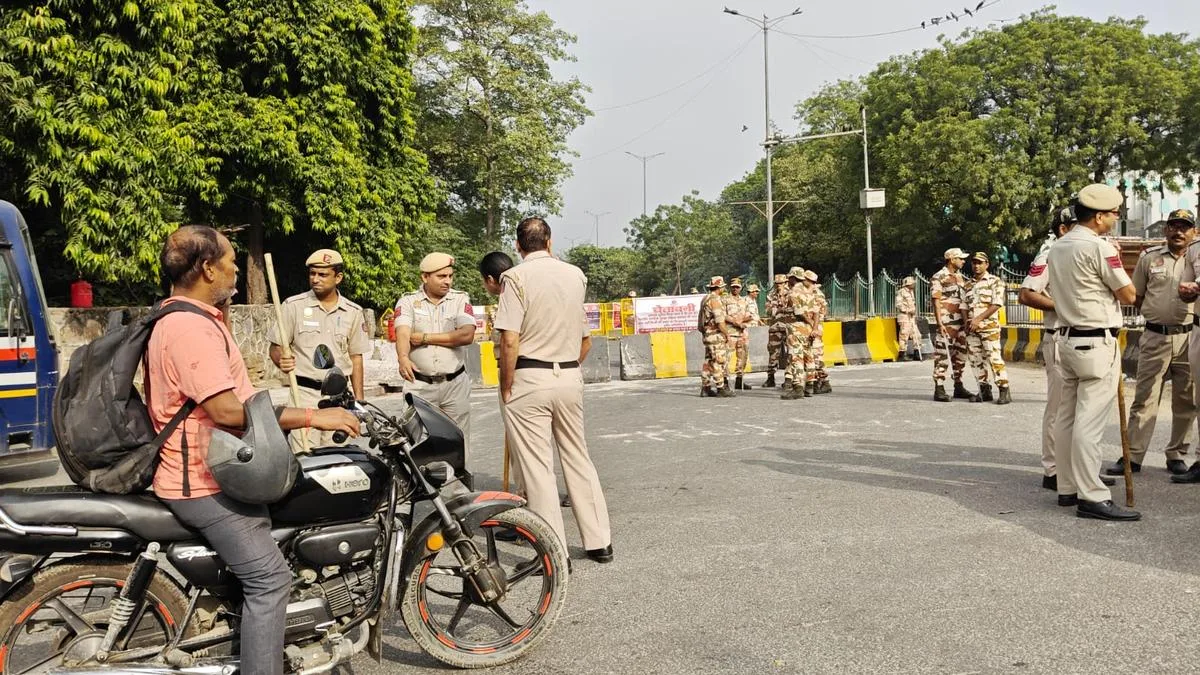
The protests were sparked by widespread dissatisfaction with the election commission's revision of the national voter roll, which allegedly removed millions of names to eliminate duplicates. Critics argue that this move is politically motivated, aimed at maintaining the ruling Bharatiya Janata Party's dominance in upcoming state elections. Despite the movement's efforts to secure a designated protest area, police denied permission, leading to heavy security measures and road closures in the capital.
Thameen Al-Kheetan, a spokesperson for the UN human rights office, emphasized the importance of upholding the right to peaceful assembly, stating that any restrictions must adhere to strict standards of necessity and proportionality. He called on law enforcement to exercise restraint when dealing with peaceful protesters, aligning with India's democratic principles and human rights commitments.
Al-Kheetan insisted that all individuals who have been arbitrarily detained should be released immediately and without conditions. He also highlighted the need for the Indian authorities to engage in constructive dialogue to address the widespread concerns raised by the public regarding the electoral process and civil liberties.
As the situation unfolds, the international community will be closely monitoring India's response to these calls for reform and the treatment of protesters. The upcoming state elections will likely serve as a critical test for the government's commitment to democratic values and human rights, with significant implications for the political landscape in India.