Daily-Wage Workers Face Earnings Loss Amid Delhi Protest
On October 10, 2026, daily-wage laborers in Delhi were denied access to their workplaces due to police barricades, resulting in significant financial losses.
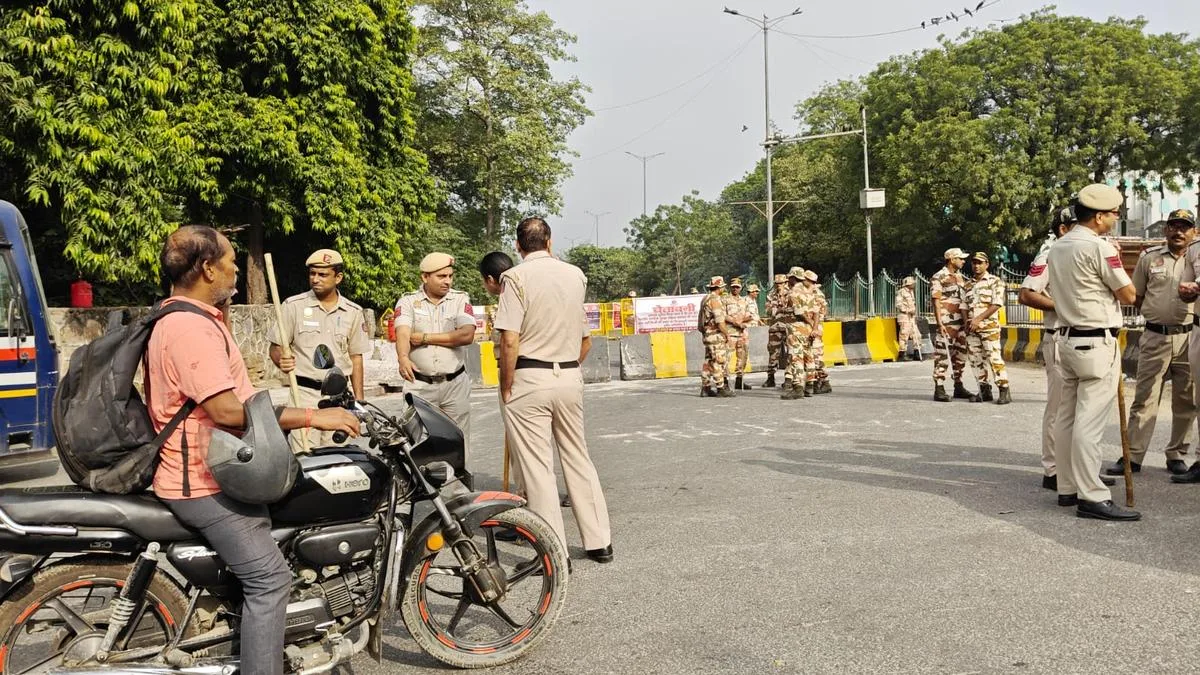
Daily-wage workers were turned away at barricades set up for a protest in Delhi.
Many workers expressed concerns about losing vital earnings for the day.
Union leaders criticized the government's handling of the situation, emphasizing the impact on low-income workers.
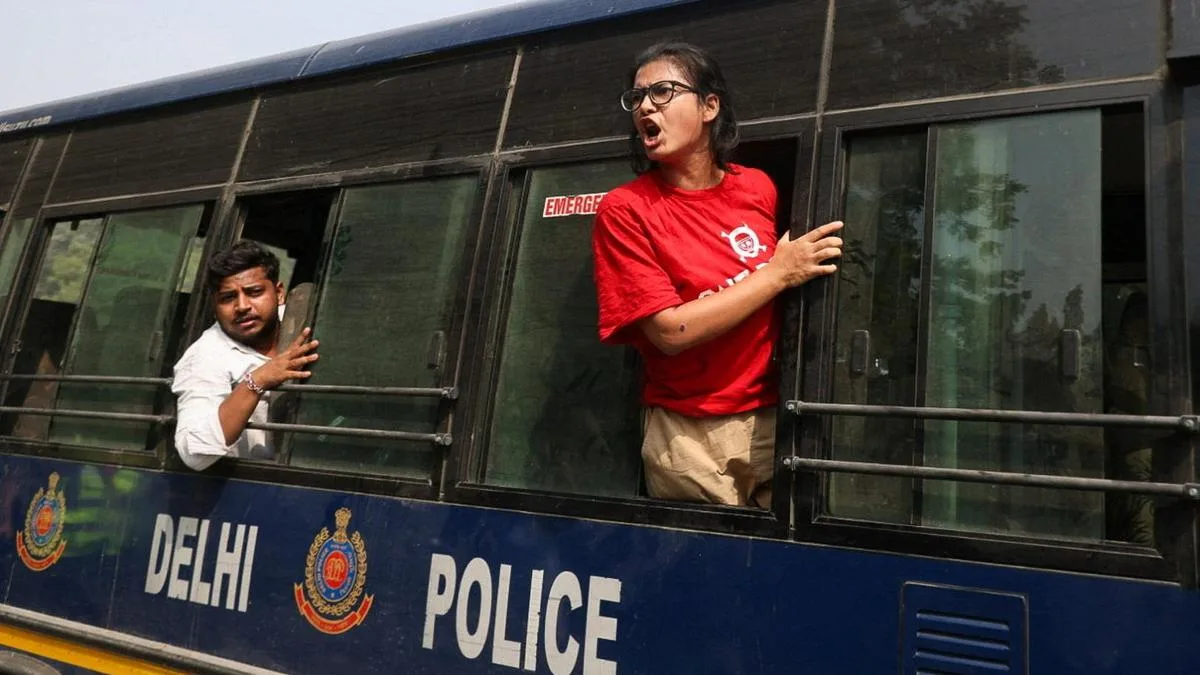
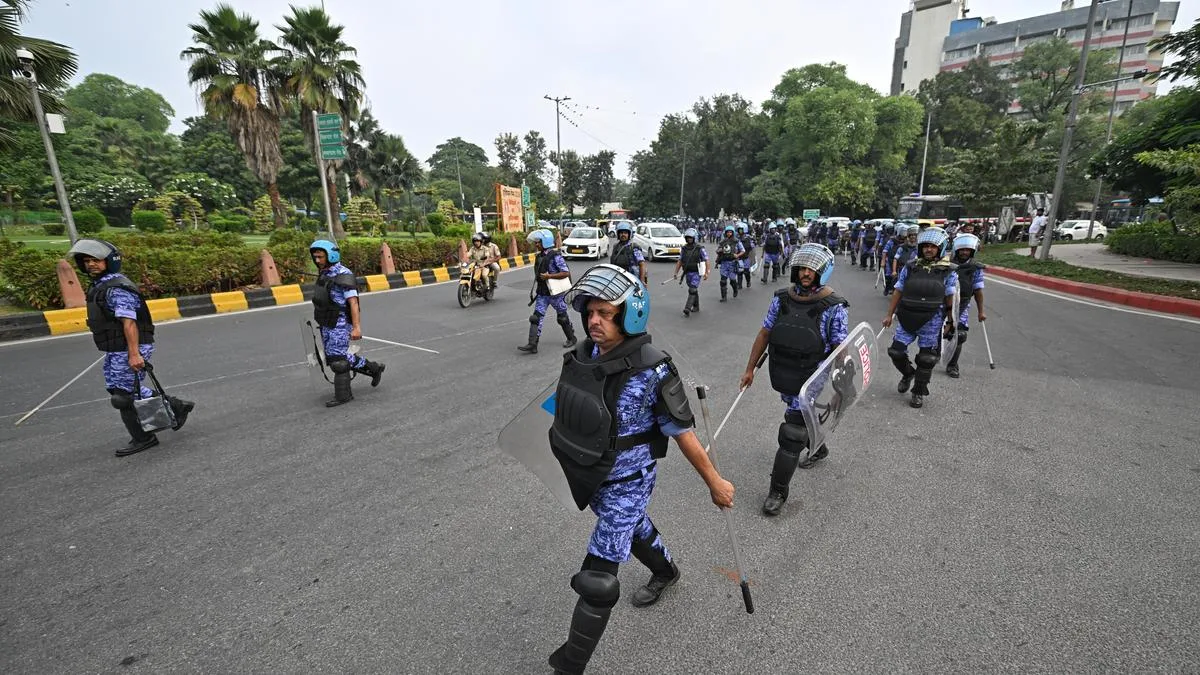
On the morning of October 10, 2026, numerous daily-wage laborers in Delhi found themselves unable to reach their workplaces due to police barricades erected ahead of a protest demanding the resignation of Chief Election Commissioner Gyanesh Kumar. As security measures intensified, only individuals with government identification were permitted to proceed towards central Delhi, leaving many workers stranded and facing a loss of income.
The barricades were strategically placed on roads leading to key areas, including India Gate, where workers like Ram Kishan Mandal, a 36-year-old construction laborer from Bihar, were stopped. Mandal, who has been struggling to rebuild his home after recent floods, voiced his frustration, stating that without the day's earnings, he would be unable to provide for his family. His situation reflects the broader plight of many laborers who rely on daily wages for their survival.
At another barricade near Nizamuddin, workers expressed similar grievances. One laborer pointed to a construction site just a short distance away, highlighting the absurdity of being denied access to their jobs. Mukesh Chauhan, an electrician, also faced barriers on his way to work, lamenting the loss of income and the money spent on travel. The inability to work not only affects their daily earnings but also their ability to meet essential expenses.
The impact of the protest and subsequent police actions has drawn criticism from labor unions. P.V. Aniyan, the secretary of CITU (Delhi), highlighted that the clampdown disproportionately affects daily wage and gig workers, who are often the most vulnerable in such situations. Aniyan urged the government to consider the ramifications of such measures on low-income workers before implementing them.
Looking ahead, the situation remains tense as protests continue in the capital. Workers are left to navigate the challenges posed by security measures while advocating for their rights. The ongoing developments will likely prompt further discussions on the balance between public safety and the livelihoods of those dependent on daily wages.