New Delhi Police Detain Over 2,000 Amid Protests Against Election Chief
A massive police operation in New Delhi leads to the arrest of more than 2,000 individuals, including key opposition figures, during protests demanding the resignation of the Chief Election Commissioner.
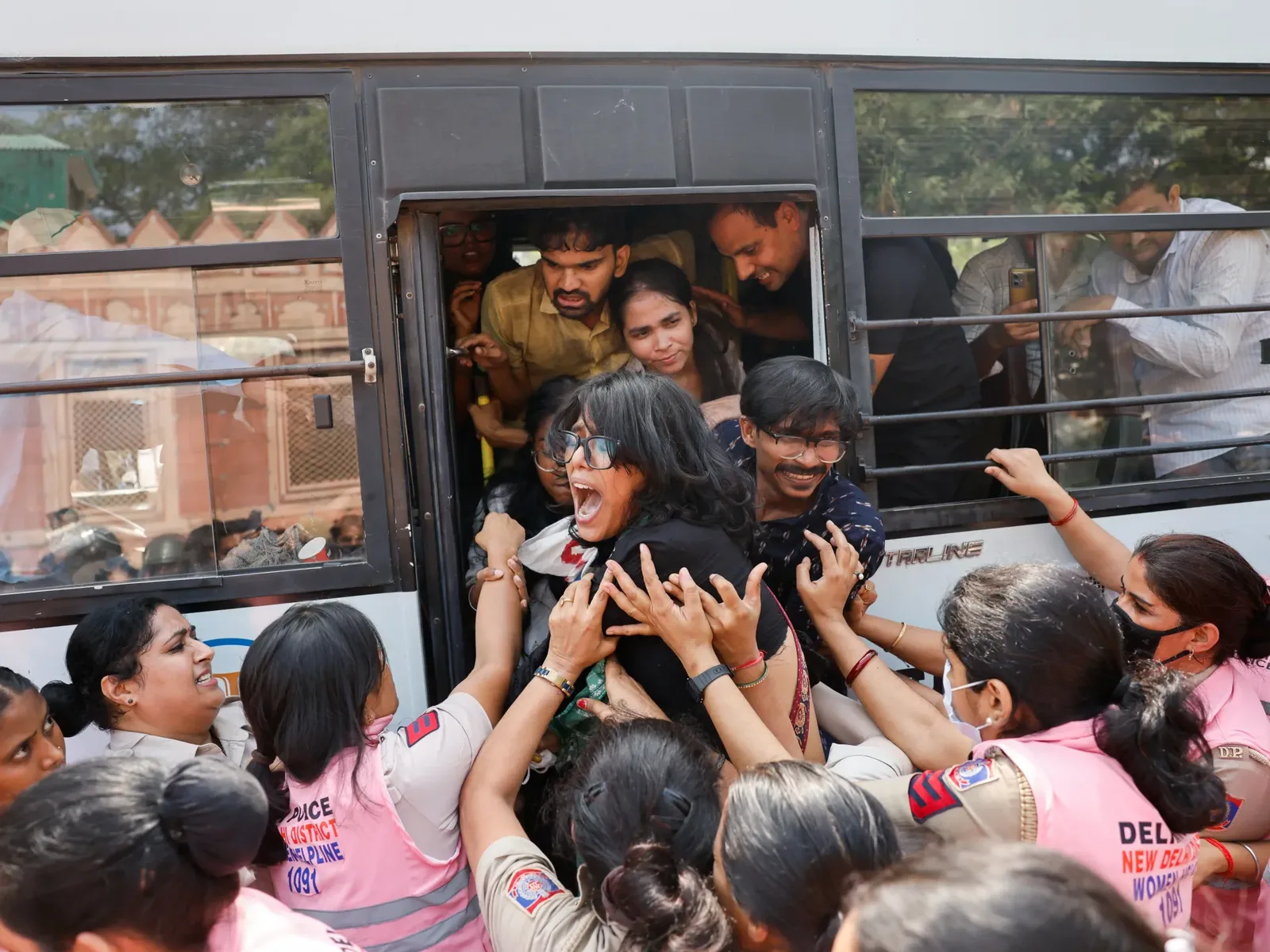
More than 2,000 people arrested in New Delhi during protests.
Protesters demand resignation of Chief Election Commissioner Gyanesh Kumar over voter list revisions.
Global organizations express concerns over mass detentions and suppression of dissent.
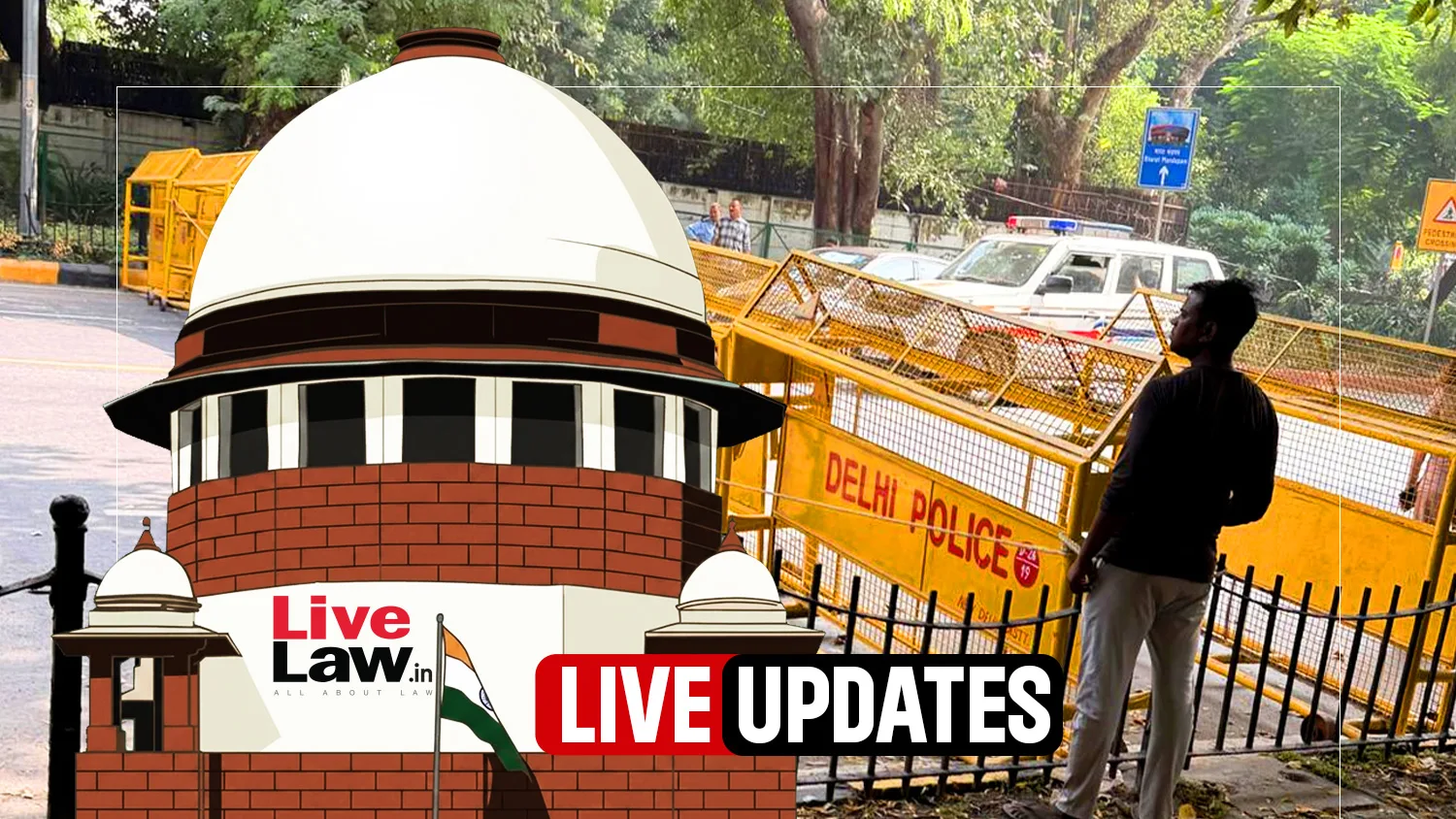
In a significant crackdown on dissent, New Delhi police detained over 2,000 individuals, including prominent opposition leaders and activists, during protests on October 10, 2026. The demonstrations were organized by the Cockroach Janta Party (CJP) and aimed at demanding the resignation of Chief Election Commissioner Gyanesh Kumar due to controversial revisions of voter lists that critics argue favor the ruling Bharatiya Janata Party (BJP).
The protests erupted after allegations surfaced that the Special Intensive Revision (SIR) of voter lists removed approximately 130 million names, disproportionately affecting opposition voters. As tensions escalated, police deployed thousands of officers across the city, sealing off key protest sites, including Jantar Mantar, and suspending mobile internet services in the central business district. Reports indicate that while the police detained nearly 2,500 individuals, the Ministry of Home Affairs confirmed around 2,000 arrests.
Among those arrested were CJP leaders, including founder Abhijeet Dipke, who was detained upon arrival at the airport. Following a court ruling, Dipke and two associates were released with conditions to maintain peace for one year. The crackdown also saw the detention of journalists and political figures, including former chief ministers and activists from various opposition parties. Despite the heavy police presence, smaller protests continued in other parts of the city, highlighting widespread discontent with the current government.
The implications of these events extend beyond New Delhi, as they reflect growing tensions within Indian democracy. Opposition leaders have criticized the government's actions, with Congress party president Mallikarjun Kharge condemning the detentions and labeling the current political climate as a 'Muzzled Democracy'. The United Nations and Amnesty International have raised alarms over the mass detentions, calling for respect for the right to peaceful assembly.
Looking ahead, the political landscape in India appears increasingly volatile, with upcoming state elections in early 2027. Analysts suggest that the government's heavy-handed response may indicate a fear of losing credibility and support among the electorate. As protests continue, the potential for further unrest remains high, prompting calls for dialogue and reform from various civil society organizations.