Supreme Court to Address Contempt Petition Over Delhi Protests on October 11, 2026
A special Sunday session will focus on alleged police misconduct during recent protests in Delhi.
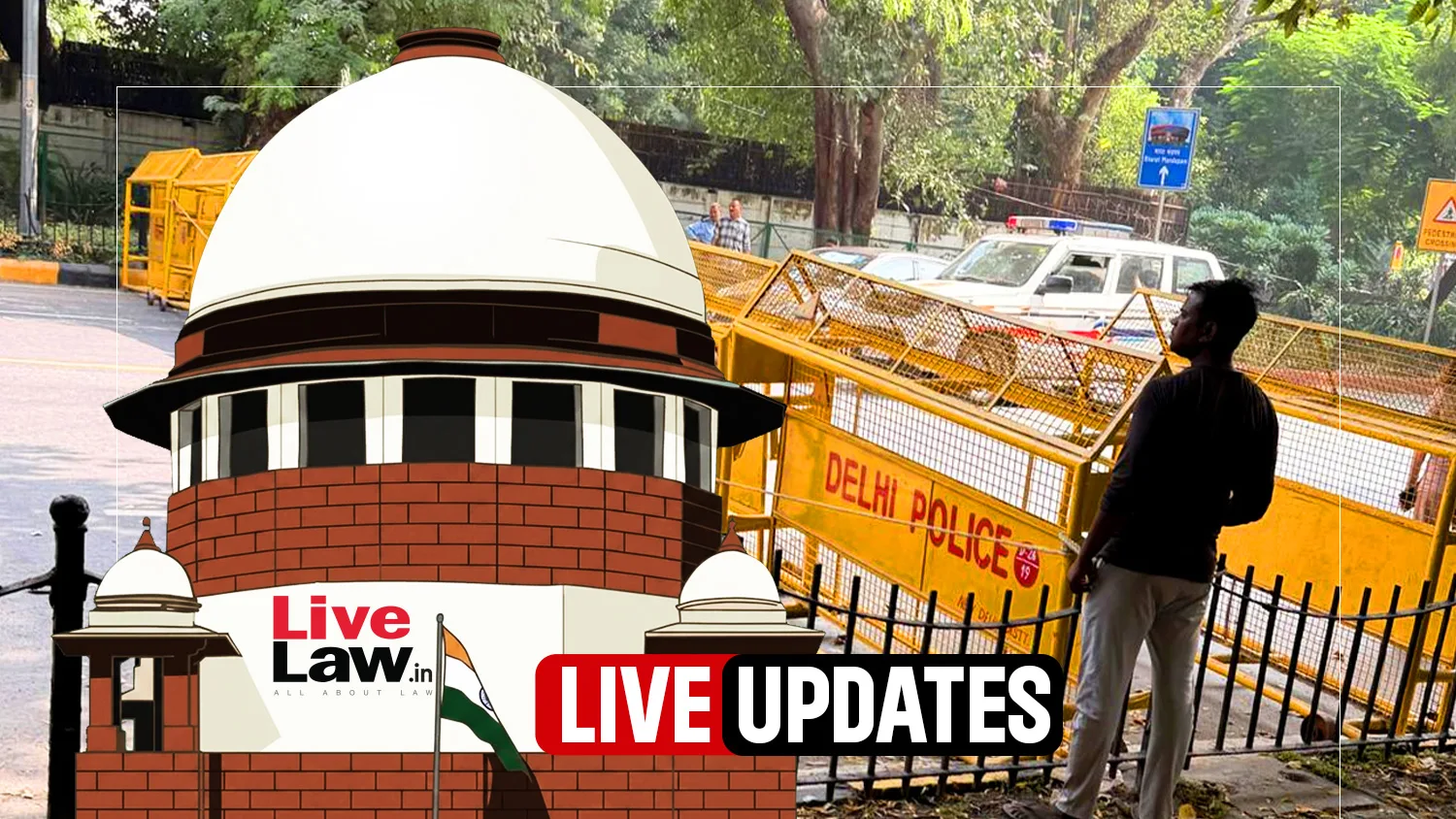
Supreme Court to hear petitions regarding detentions during protests.
Allegations include police violence and illegal detentions of civilians.
Habeas corpus petition filed against the detention of political leaders.
On October 11, 2026, the Supreme Court of India is set to convene for a special session to address a contempt petition concerning the recent protests in Delhi. This session will specifically examine the alleged unlawful detentions and the closure of Metro stations during demonstrations against the Chief Election Commissioner (CEC). The hearing is scheduled for 10:30 AM, presided over by Justices Joymalya Bagchi and V Mohana.
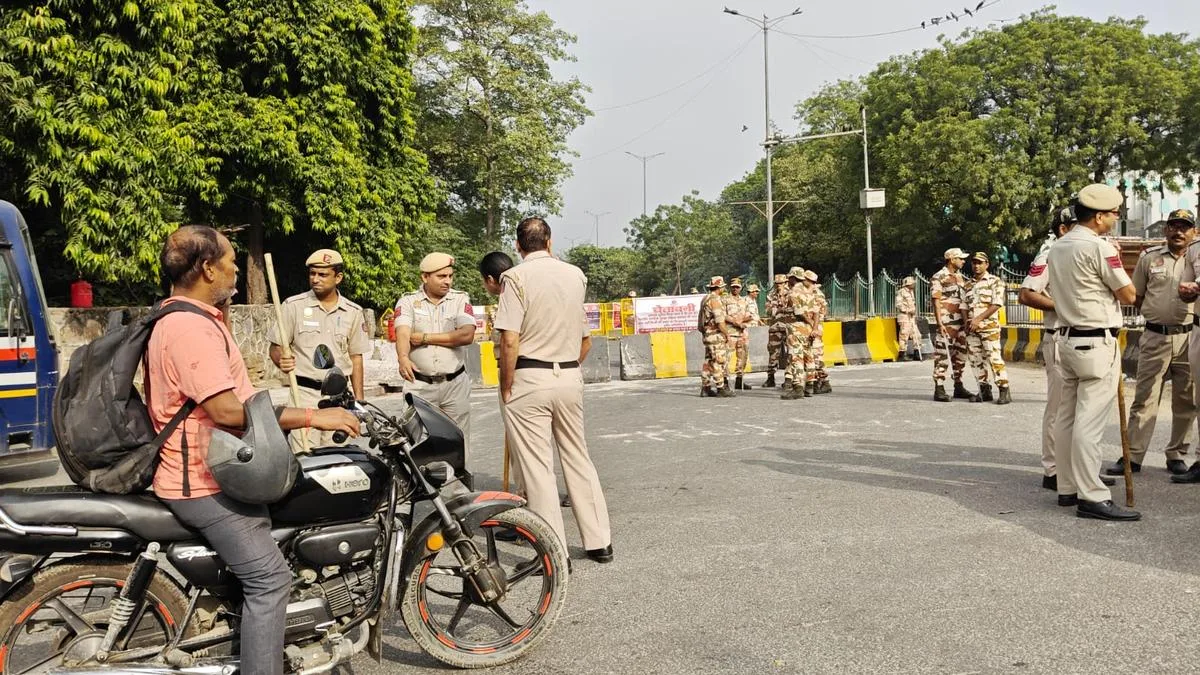
The backdrop to this hearing involves significant unrest in Delhi, where protests erupted against the CEC's actions. Protesters, including political leaders and civilians, have accused the Delhi Police of excessive force and unlawful detentions. The situation escalated to the point where Metro services were suspended, prompting legal action against the police for their handling of the protests.
Among the key petitions is one filed by RJD MP Manoj Kumar Jha, who has requested urgent judicial intervention against what he describes as illegal detentions and house arrests of peaceful protesters. Jha's allegations include the disproportionate use of police force against unarmed individuals and instances of sexual harassment directed at women participants in the protests. He emphasizes that the police actions violate previous Supreme Court directives.
Additionally, a contempt petition has been lodged against Delhi Police Commissioner Anurag Kumar, accusing the police of engaging in indiscriminate violence against peaceful demonstrators. Advocate Amit Prasad, the petitioner, claims that numerous unarmed citizens were detained and assaulted, with police officers failing to identify themselves and many women being mishandled by male officers.
As the Supreme Court prepares to hear these critical petitions, the implications for civil liberties and the conduct of law enforcement in India are significant. The outcome of this hearing could set important precedents regarding the rights of protesters and the responsibilities of police during public demonstrations. Observers are keenly awaiting the Court's decision and any subsequent actions that may arise from this situation.