Ukraine Receives Ceasefire Proposals from India, Turkiye, and US
Ukraine has been presented with ceasefire proposals from India, Turkiye, Egypt, and the US amid ongoing conflict with Russia.
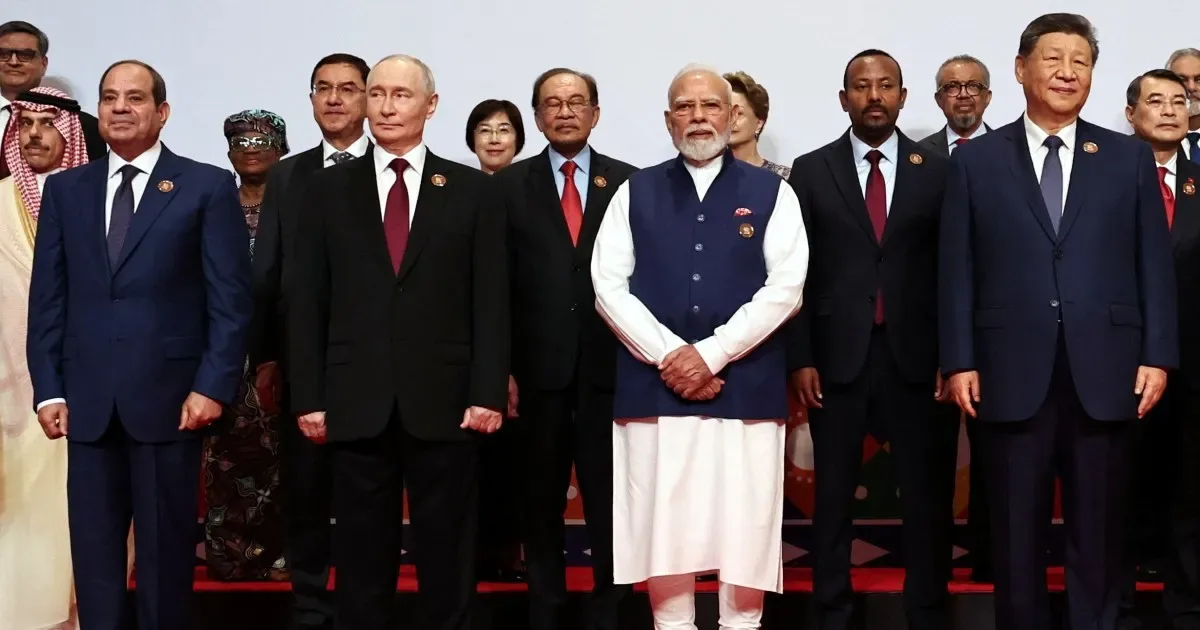
Ukraine's Foreign Minister highlights India's comprehensive ceasefire proposal.
Proposals focus on energy infrastructure and Black Sea shipping safety.
Previous diplomatic efforts have largely failed to yield lasting results.
Ukraine has received new ceasefire proposals from India, Turkiye, Egypt, and the United States as the conflict with Russia intensifies. The proposals aim to protect global energy supplies and shipping routes, particularly in the Black Sea, where both nations have escalated attacks on each other's infrastructure. Ukrainian Foreign Minister Andrii Sybiha announced these proposals during a briefing in Kyiv, emphasizing India's plan as the most detailed and comprehensive.
The backdrop of this initiative is the ongoing war, now in its fifth year, which has severely impacted energy supplies and global shipping. The proposals do not seek to end the war but rather aim for a limited truce that would protect energy facilities and commercial shipping. India’s proposal reportedly includes three key components: halting strikes on energy infrastructure, ensuring the flow of grain and energy supplies through Black Sea ports, and safeguarding merchant vessels and their crews.
Details about the proposals from Turkiye and Egypt remain sparse, but they reportedly focus on maintaining grain supplies by suspending attacks on commercial shipping. Turkiye has previously facilitated a grain deal in 2022, which was one of the few truces to hold during the conflict. Meanwhile, the US has suggested a mutual halt to energy strikes and a trilateral meeting with Ukraine and Russia, although the timeline for these discussions has faced delays.
The implications of these proposals extend beyond the immediate conflict, as global food supplies and energy prices are at stake. Countries reliant on Ukrainian grain, like Egypt, are particularly vulnerable to the disruptions caused by the war. The ongoing conflict has led to increased global wheat prices and has resulted in casualties among sailors from nations uninvolved in the war, highlighting the far-reaching consequences of the conflict.
Looking ahead, the success of these proposals remains uncertain. Previous diplomatic efforts have faltered, and skepticism surrounds Russia's willingness to engage in meaningful negotiations. Analysts suggest that without significant economic pressure on Russia, the likelihood of a ceasefire or peace agreement remains low. The international community continues to monitor the situation closely, as the stakes for global stability are high.