UK Net Migration Hits 77,000, Lowest Since 1997
Recent figures reveal a significant drop in net migration to the UK, with Indians being the largest foreign group.
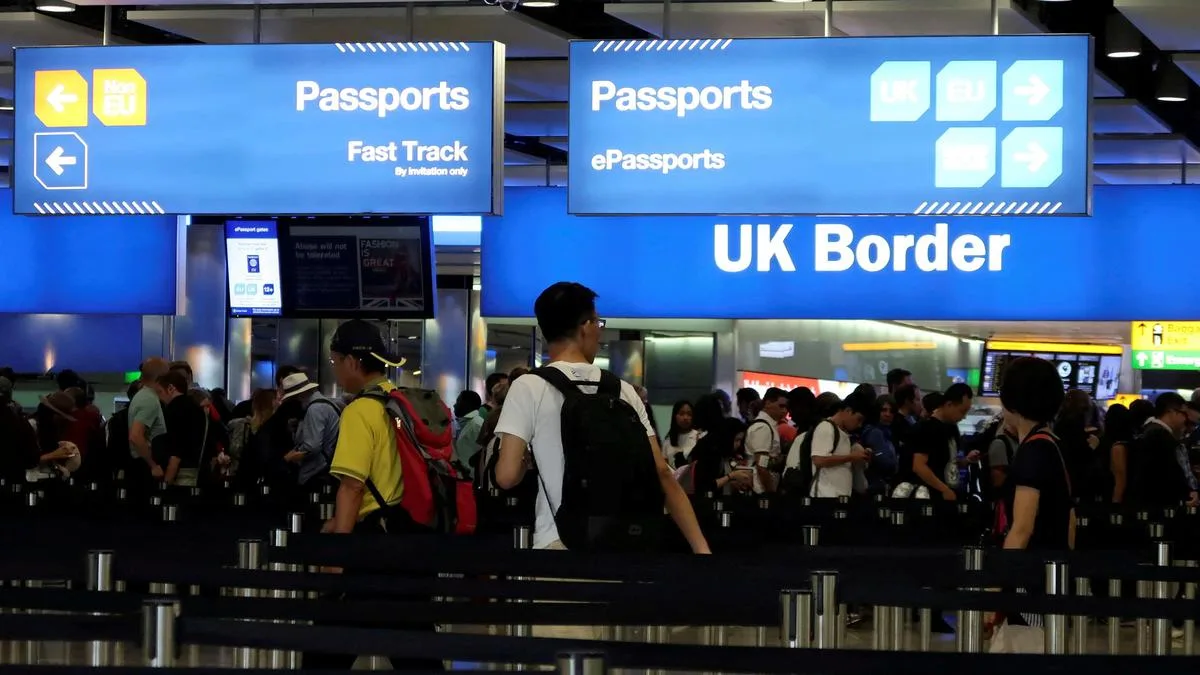
Net migration to the UK has decreased to 77,000, the lowest since 1997.
Indians represent the largest group of immigrants and emigrants.
The decline in migration is attributed mainly to a fall in non-EU arrivals.
The United Kingdom has reported a notable decrease in net migration, which now stands at 77,000, the lowest level since 1997, according to official government statistics released on November 26, 2026. This figure marks a significant drop from 204,000 in June 2025 and a peak of 906,000 in June 2023, reflecting changing immigration dynamics in the country.
The decline in net migration is primarily attributed to a reduction in non-EU migration, which fell by over 100,000. In contrast, emigration figures remained relatively stable. The number of non-EU nationals arriving in the UK dropped by 17% to 738,000, with nearly half of these individuals coming for educational purposes, a quarter for employment, and 13% seeking asylum.
Among the migrants, Indians constituted the largest foreign nationality group, with 44,000 arriving for work, 77,000 for study, and 5,000 for other reasons. Conversely, 28,000 Indians on work visas and 55,000 on study visas departed the UK. Following Indians, the next largest groups included Chinese, Nigerians, Pakistanis, and Americans.
The implications of these figures are significant for the UK’s political landscape, particularly for the governing Labour Party, as immigration has become a contentious issue in recent years. The recent changes in migration patterns may provide a political boost to the party, which has faced challenges regarding immigration policies.
Looking ahead, the UK government is expected to continue monitoring migration trends closely, especially in light of the tightening immigration policies implemented by recent administrations. Future developments may include further adjustments to immigration rules as the government seeks to balance economic needs with public sentiment regarding migration.