Controlled Detonation of 5 Tonnes of Lead Azide Declared a Success
The US military successfully conducted a controlled explosion of lead azide in Iowa, alleviating health and environmental concerns.
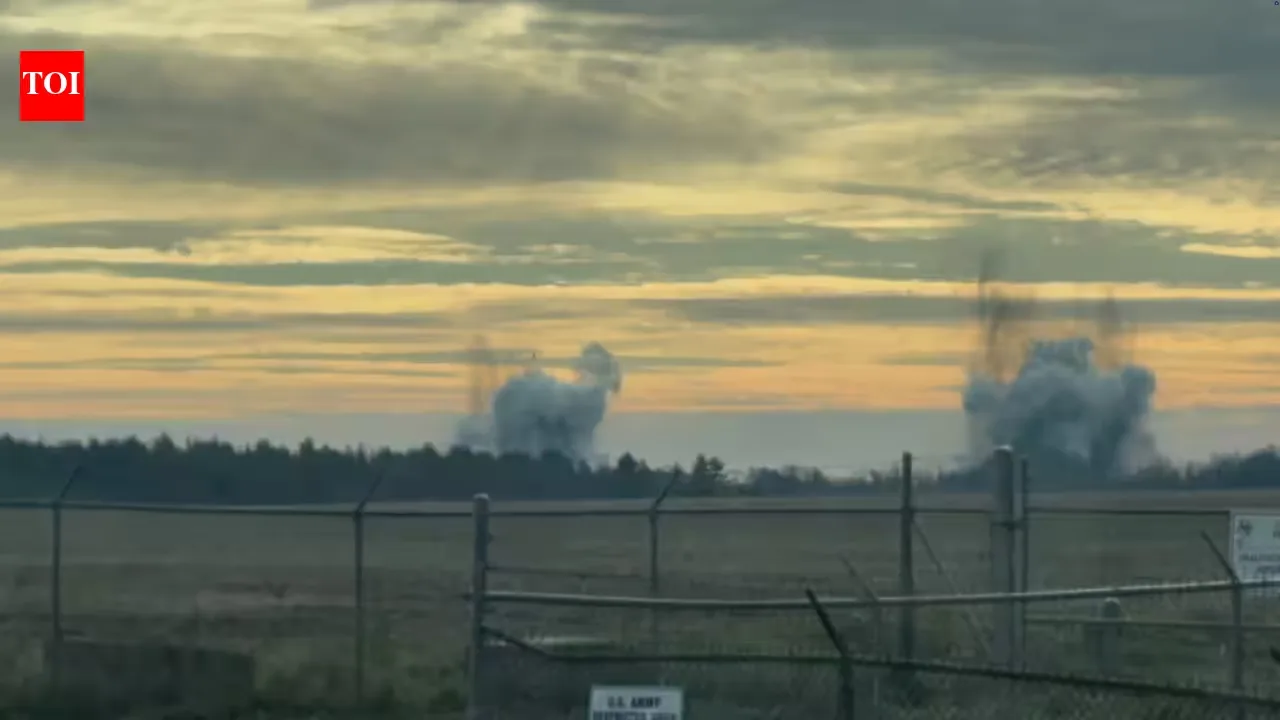
Nearly five tonnes of lead azide were safely detonated at an Iowa ammunition plant.
The explosives had been stored for nearly 20 years and posed a risk of accidental detonation.
Controlled explosions are essential for safely disposing of hazardous materials and unexploded ordnance.
The US military has reported a significant achievement following the controlled detonation of approximately five tonnes of lead azide at an ammunition facility in Iowa. This operation was crucial due to the potential health and environmental risks associated with the volatile compound, which had been in storage for nearly two decades. Residents nearby had expressed concerns about the impact of the explosion, prompting the military to assure the public that the risk had been minimized to the lowest possible level.
Lead azide, known for its sensitivity to friction and movement, had deteriorated over time through a process called recrystallisation. This deterioration increased the likelihood of an accidental explosion, making the controlled detonation necessary. A controlled explosion is a carefully managed procedure conducted by trained personnel to neutralize threats or dispose of explosives safely, ensuring that the blast occurs in a designated area without endangering people or property.
The US Army's operation is part of a broader strategy to manage unexploded ordnance (UXO), which can pose significant dangers if disturbed. Such operations are often conducted in response to munitions that failed to detonate during conflicts or training exercises. In India, similar operations have been carried out, including the disposal of unexploded bombs from past wars and other hazardous materials. For instance, in March 2021, the Indian Army executed Operation Thiruvallur, disposing of nearly 10 tonnes of UXO in Tamil Nadu.
The implications of controlled detonations extend beyond military operations. They are also vital for public safety, particularly in urban areas where construction and excavation can inadvertently disturb buried explosives. The Indian Army and other agencies have successfully managed thousands of kilograms of hazardous materials, ensuring that communities remain safe from potential explosions. In addition, controlled explosions are employed in civilian contexts, such as demolitions, where precision is crucial to avoid collateral damage.
Looking ahead, the military is exploring innovative methods for disposing of outdated munitions. A proposal from the Army Design Bureau for a containerized demolition system aims to enhance safety during disposal operations within ammunition depots, reducing the need for transporting explosives. This reflects a growing commitment to finding safer and more efficient ways to handle potentially dangerous materials.