Trump Announces Russian Diesel Deal Amid High Fuel Prices
In a surprising move, President Trump has secured a deal for Russian diesel to alleviate soaring fuel costs ahead of the midterm elections.
Trump's agreement includes over 1.8 million tonnes of diesel from Russia to the US market.
The deal comes despite ongoing sanctions against Russia due to its actions in Ukraine.
Experts doubt the deal's potential to significantly impact the global energy crisis.
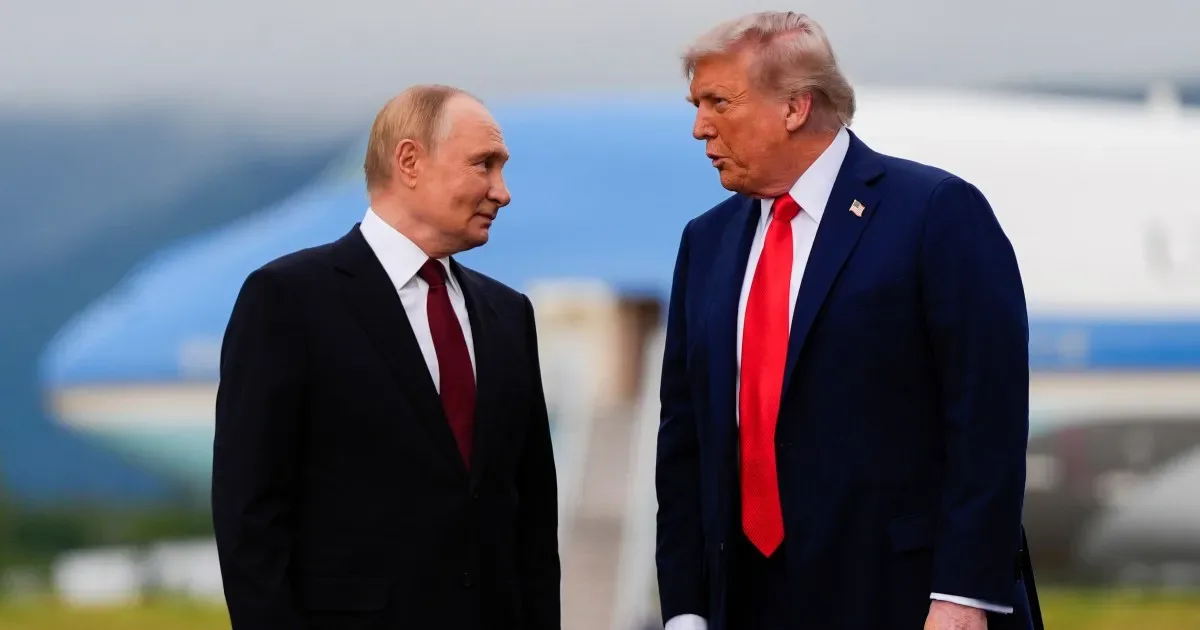
In a significant announcement, President Donald Trump revealed a deal with Russian President Vladimir Putin to import diesel fuel from Russia, aiming to address the escalating fuel prices in the United States ahead of the midterm elections scheduled for November. Trump stated that the agreement would facilitate the immediate supply of over 300,000 tonnes of diesel, with additional shipments planned for the following months.
This unexpected collaboration comes amidst a backdrop of stringent sanctions imposed on Russia due to its military actions in Ukraine. The latest sanctions, targeting buyers of Russian oil, were enacted just last month, raising questions about the implications of this new deal. Analysts have expressed skepticism regarding the effectiveness of this agreement in alleviating the ongoing global energy crisis, suggesting that European nations may continue to shun Russian fuel.
According to Trump, the deal is designed to lower diesel prices for American consumers, particularly benefiting farmers and truckers who rely heavily on diesel for their operations. He emphasized the importance of affordable fuel in his social media announcement, claiming that the US has substantial oil supplies on the way. Putin, in response, confirmed Russia's readiness to supply oil and petroleum products to the global market, highlighting the potential for increased cooperation between the two nations.
The global diesel crisis has been exacerbated by geopolitical tensions, including the ongoing conflict between the US and Iran, as well as the war in Ukraine. Recent attacks on key oil infrastructure have led to significant disruptions in supply, contributing to record-high diesel prices in both the US and Europe. The situation has prompted the Group of Seven nations to release emergency reserves in an attempt to stabilize the market, although experts warn that these measures may only provide temporary relief.
Looking ahead, the implications of this deal for US sanctions on Russian oil remain uncertain. While the Biden administration had previously banned Russian oil imports, Trump's announcement has prompted the Treasury Department to issue a temporary license allowing the import of Russian diesel. As the midterm elections approach, the pressure is on Trump to deliver results that will resonate with voters concerned about rising fuel costs, particularly in battleground states that are crucial for his party's success.