Menaka Guruswamy Challenges Political Leaders' Detention in Supreme Court
Senior Advocate Menaka Guruswamy files a habeas corpus petition against the detention of political leaders during Delhi protests.
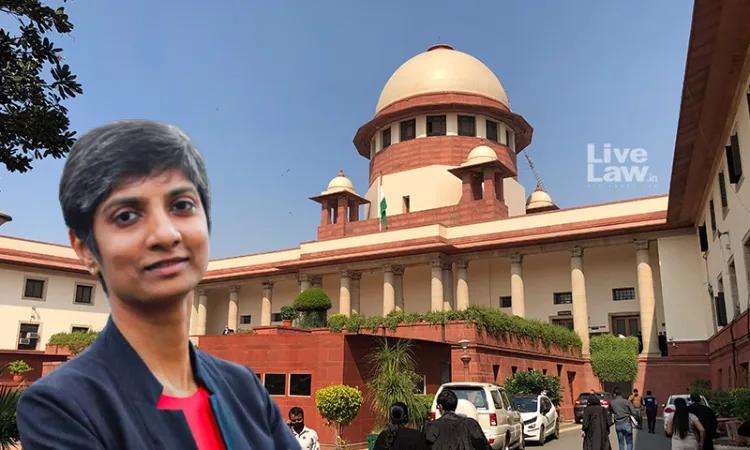
Menaka Guruswamy has filed a writ petition under Article 32.
Political leaders, including Aravind Kejriwal and Mamta Banerjee, were detained during protests.
The Supreme Court is set to hear the case in a special Sunday session.
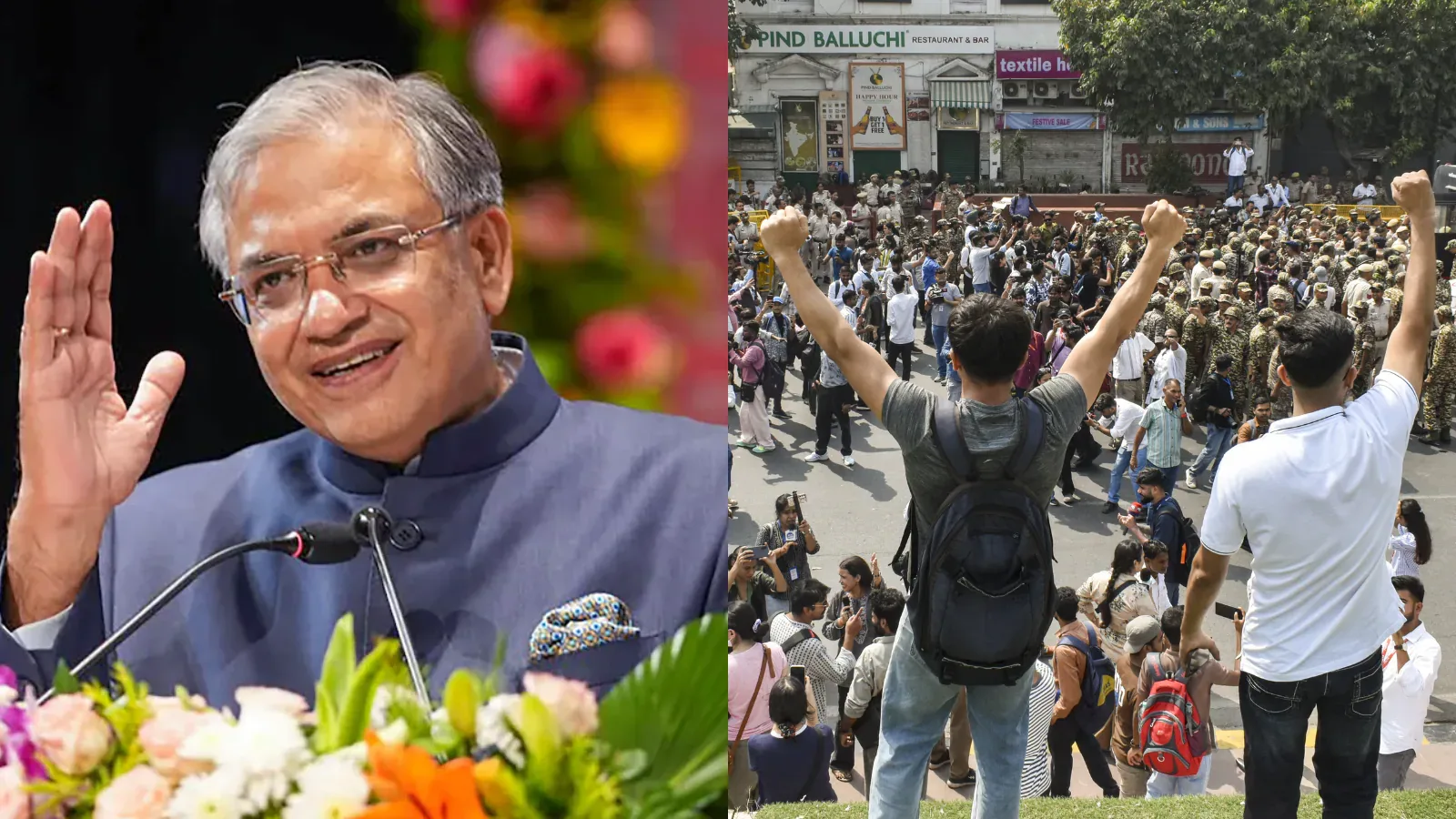
In a significant legal move, Senior Advocate Menaka Guruswamy has submitted a habeas corpus petition to the Supreme Court, contesting the detention of various political leaders during protests in Delhi. The protests were directed against the Chief Election Commissioner and took place on October 10, 2026. The Supreme Court is scheduled to address this matter in a special session on Sunday, October 11, 2026.
The petition highlights the detention of notable political figures, including Aravind Kejriwal, the former Chief Minister of Delhi, Mamta Banerjee, the former Chief Minister of West Bengal, and Pinarayi Vijayan, the former Chief Minister of Kerala, among others. Guruswamy's petition asserts that many of these leaders were apprehended from their residences and taken to undisclosed locations before they could participate in the protests.
Guruswamy's legal action is grounded in Article 32 of the Indian Constitution, which allows individuals to seek the enforcement of fundamental rights. The Supreme Court's special bench, comprising Justices Joymalya Bagchi and V Mohana, will hear this petition alongside a contempt petition related to the closure of metro stations and train cancellations in Delhi, which allegedly contravened a prior court order.
The implications of this case extend beyond the immediate legal concerns, as it raises questions about the treatment of political dissent in India. The detention of prominent leaders during protests could have a chilling effect on political engagement and civil liberties, particularly in the context of ongoing tensions surrounding electoral processes and governance.
As the Supreme Court prepares to hear the case, the outcome could set a significant precedent regarding the rights of individuals to assemble and protest peacefully. Observers are keenly awaiting the court's decision, which may influence future protests and the broader political landscape in India.