US Imposes Sanctions on International Criminal Court Following Nobel Award
The US has targeted the ICC with sanctions after a former judge received the Nobel Peace Prize, raising concerns about international law.
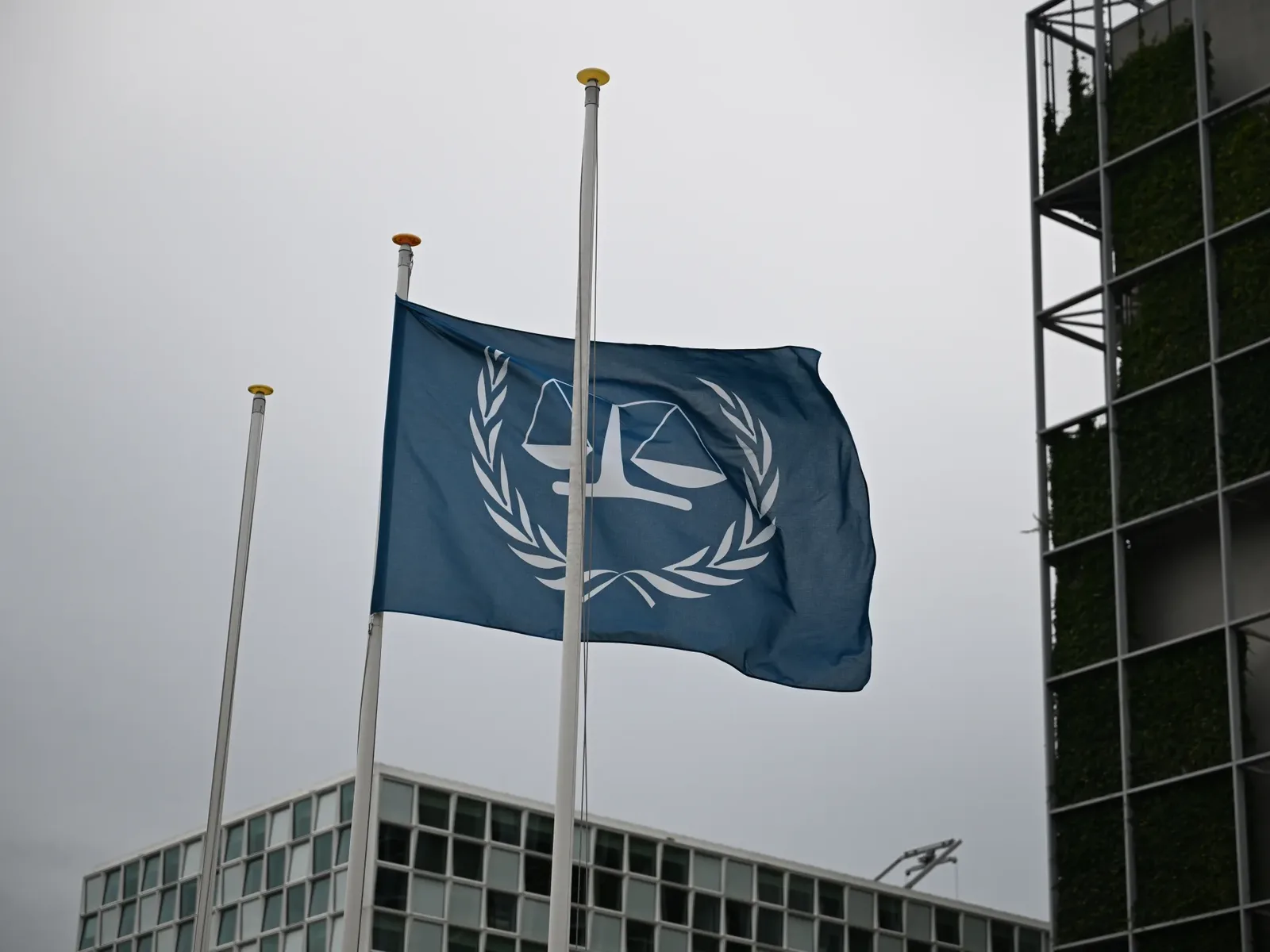
The US sanctions aim to restrict the ICC's operations and resources.
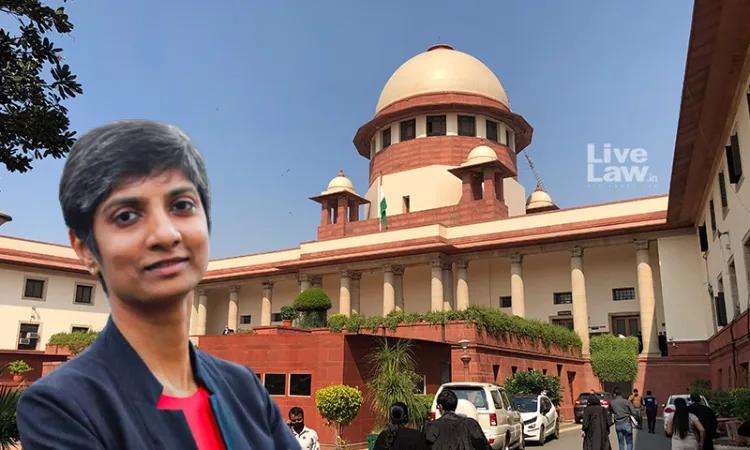
Former ICC judge Navi Pillay was awarded the Nobel Peace Prize shortly before the sanctions were announced.
International reactions include condemnation from the ICC and various foreign ministers, highlighting concerns over the rule of law.
In a significant move, the United States has imposed sanctions on the International Criminal Court (ICC), coinciding with the announcement of the Nobel Peace Prize awarded to former ICC judge Navi Pillay. This decision, made public by US Secretary of State Marco Rubio, is part of a broader campaign against the ICC, which has been criticized by the US for allegedly overstepping its jurisdiction.
The ICC, established in 2002, is tasked with prosecuting serious humanitarian crimes, including war crimes and genocide. The recent sanctions come on the heels of previous measures targeting ICC judges and personnel, reflecting the US administration's long-standing opposition to the court's activities, particularly regarding cases involving non-member countries like Israel and the United States itself.
Rubio's announcement emphasized that the US will prohibit transactions with the ICC, asserting that the court's actions are illegitimate and that the US and its citizens are not subject to its jurisdiction. This stance aligns with previous criticisms from the Trump administration, which has condemned the ICC for pursuing cases against individuals from countries that are not signatories to the Rome Statute, the treaty that governs the court's operations.
The implications of these sanctions are profound, potentially affecting companies that provide services to the ICC and freezing any assets held by the court in US territories. While there is a six-month grace period for US companies to conclude existing contracts, the sanctions signal a significant escalation in the US's efforts to undermine the court's authority. Experts suggest that the ICC has been preparing for such measures by exploring alternative resources and partnerships outside the US.
International responses have been swift, with the ICC condemning the sanctions as an attempt to obstruct justice and intimidate those involved with the court. UN Secretary-General Antonio Guterres expressed deep concern over the sanctions, viewing them as detrimental to the global pursuit of justice. Furthermore, foreign ministers from several countries have voiced their disagreement with the US's actions, underscoring the potential erosion of international legal frameworks and the rule of law.