Supreme Court to Define Journalist Status Amid Protest Coverage
The Supreme Court of India will evaluate the criteria for journalistic qualification and the protection afforded to accredited media during protests.
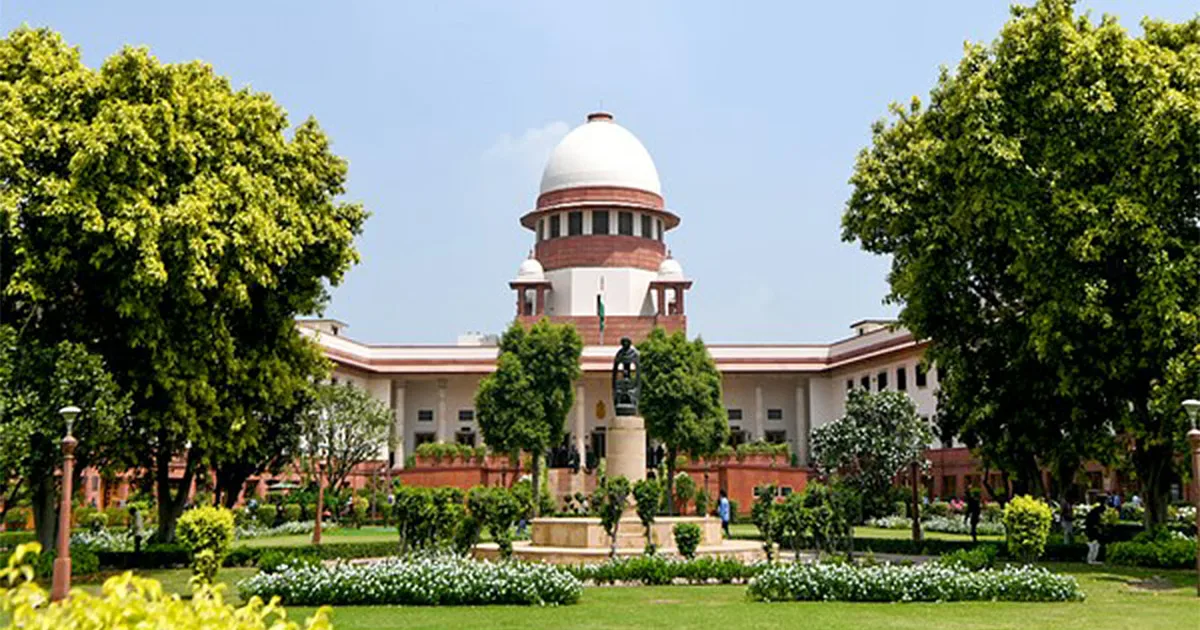
The Supreme Court will assess who qualifies as a journalist and the protections they should receive.
A committee has been formed to investigate the alleged mistreatment of journalists during protests in Delhi.
Delhi Police argues that social media influencers do not have the same protections as accredited journalists.
The Supreme Court of India announced on Thursday that it will deliberate on the qualifications necessary to be recognized as a journalist and whether accredited media personnel should receive enhanced protections compared to self-identified reporters during protest coverage. This decision comes amidst concerns regarding the treatment of journalists at recent protests in Delhi.
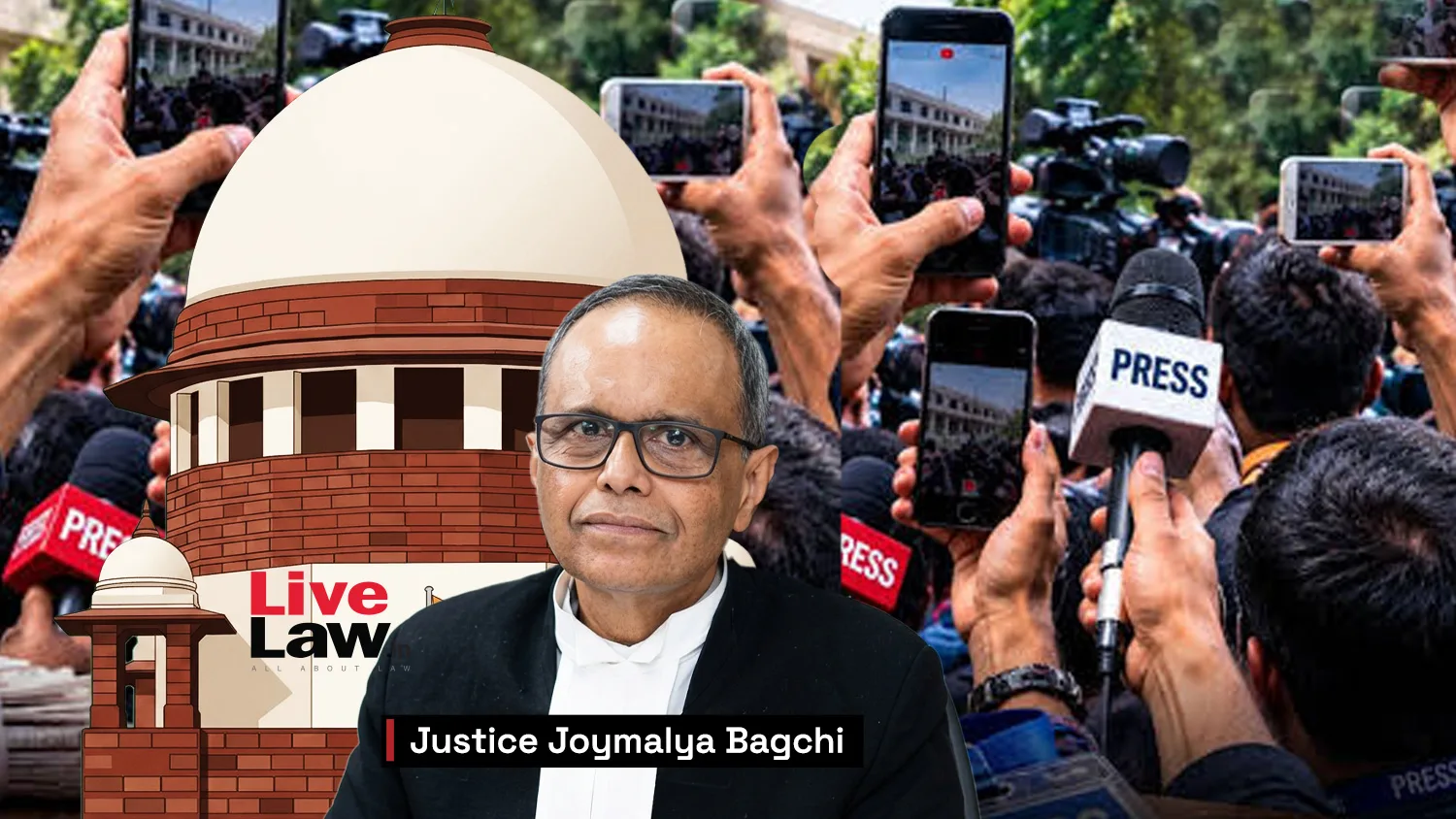
The bench, led by Chief Justice Surya Kant alongside Justices Joymalya Bagchi and V Mohana, emphasized the need to balance journalistic freedom with the maintenance of public order. They have tasked a high-powered committee, chaired by former Supreme Court judge R Subhash Reddy, with examining complaints related to the alleged detention and assault of seven journalists during protests on October 10 and 11, 2026.
Petitioners have been instructed to present evidence to the five-member committee to substantiate their claims. Justice Bagchi pointed out the necessity of determining whether the journalists were present at the protests and if they faced excessive force from law enforcement. He noted that self-proclaimed journalists might not be entitled to the same level of protection as those who are accredited.
The Kerala Union of Working Journalists and the Delhi Union of Journalists have raised concerns about the treatment of their members, alleging that journalists were forcibly removed from reporting locations and faced physical aggression while attempting to document the events. They highlighted instances where accredited journalists were restrained and detained despite displaying their press credentials.
Senior advocate PV Dinesh, representing the detained journalists, argued that established journalists should not be taken into custody while covering events. The Delhi Police, however, contended that social media influencers and content creators do not belong to the same category as traditional journalists and should not receive the same protections under the law. They asserted that the distinction is crucial, as the latter group often engages in commercial activities rather than journalistic reporting.