Supreme Court Reviews Jharkhand DGP Appointment Rules Amid Controversy
The Supreme Court has called for a review of Jharkhand's DGP appointment regulations, questioning their validity against established legal precedents.
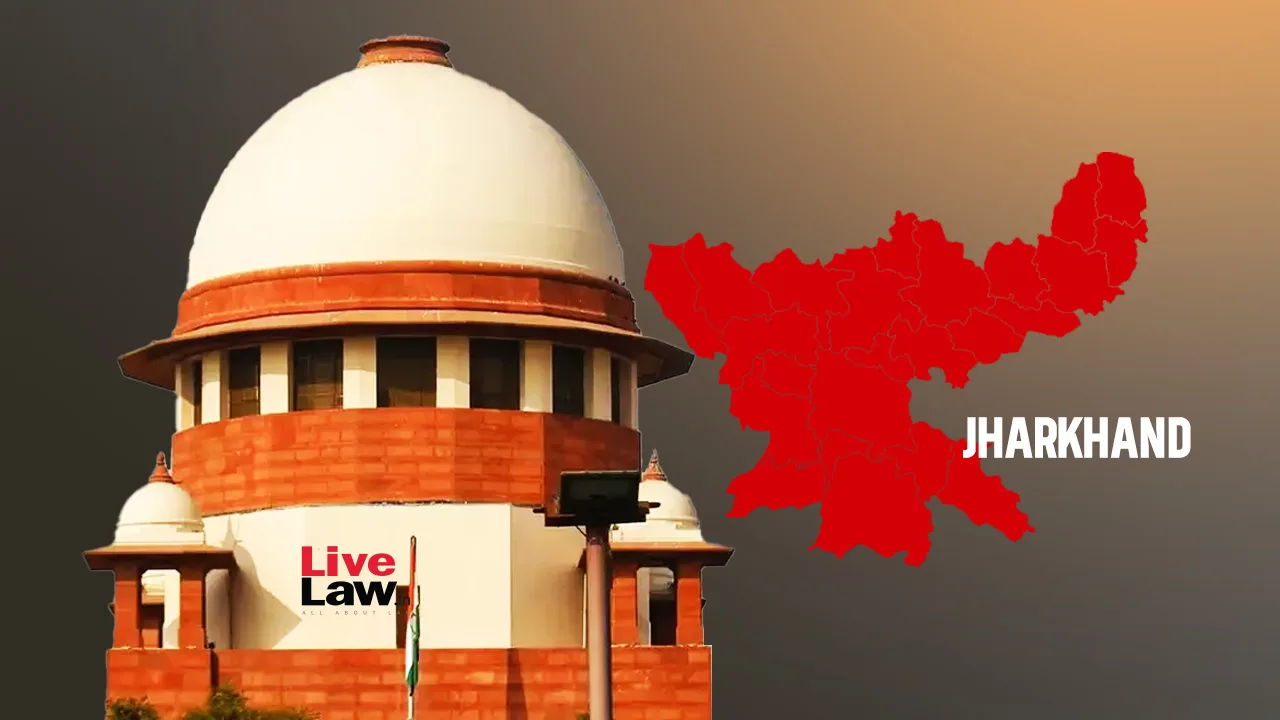
The Supreme Court is examining Jharkhand's 2025 DGP appointment rules for potential legal conflicts.
Amicus Curiae has been tasked with reviewing similar statutes from other states.
The case highlights ongoing tensions between state regulations and Supreme Court directives.
In a significant legal development, the Supreme Court of India has initiated a review of the rules governing the appointment of the Director General of Police (DGP) in Jharkhand. This decision comes as the court called upon Amicus Curiae, Senior Advocate Raju Ramachandran, to assess the statutes related to DGP appointments across various states. The bench, comprising Chief Justice Surya Kant and Justices Joymalya Bagchi and V Mohana, expressed concerns that a 2025 rule allowing officers with less than six months of residual service to be considered for the DGP position contradicts established legal principles set forth in the landmark Prakash Singh case.
The Supreme Court's scrutiny stems from a Public Interest Litigation (PIL) filed by opposition leader Babulal Marandi, which challenges the legality of the Jharkhand rules. The PIL argues that the appointment of Smt. Tadasha Mishra as DGP violates the Supreme Court's guidelines, particularly regarding the required residual service period. The court has issued a notice to Mishra, ensuring she has the opportunity to present her case, while also advising the Jharkhand government to reconsider the contentious rule.
During the proceedings, Senior Advocate Kapil Sibal, representing Jharkhand, questioned the Union Government's decision to challenge the state's rules, pointing out that similar laws exist in other states without facing scrutiny. Solicitor General Tushar Mehta defended the Union's stance, asserting that all laws that conflict with the Prakash Singh directives should be examined, regardless of the state in question. He emphasized that the challenge arose specifically due to the Jharkhand rule coming to light, and that the Union does not selectively target states.
The implications of this case extend beyond Jharkhand, as the Supreme Court's decision could set a precedent affecting police appointment regulations nationwide. The court's commitment to uphold the Prakash Singh directives underscores the importance of maintaining legal consistency in the appointment of police officials. As the case progresses, the Amicus Curiae will investigate whether other states have enacted similar provisions that may also contravene the Supreme Court's established guidelines.
Looking ahead, the Supreme Court has scheduled a follow-up hearing in one week, during which it will further explore the legality of the Jharkhand rules and consider the findings presented by the Amicus Curiae. This case not only highlights the ongoing legal challenges surrounding police appointments but also reflects the broader tensions between state governance and judicial oversight in India.