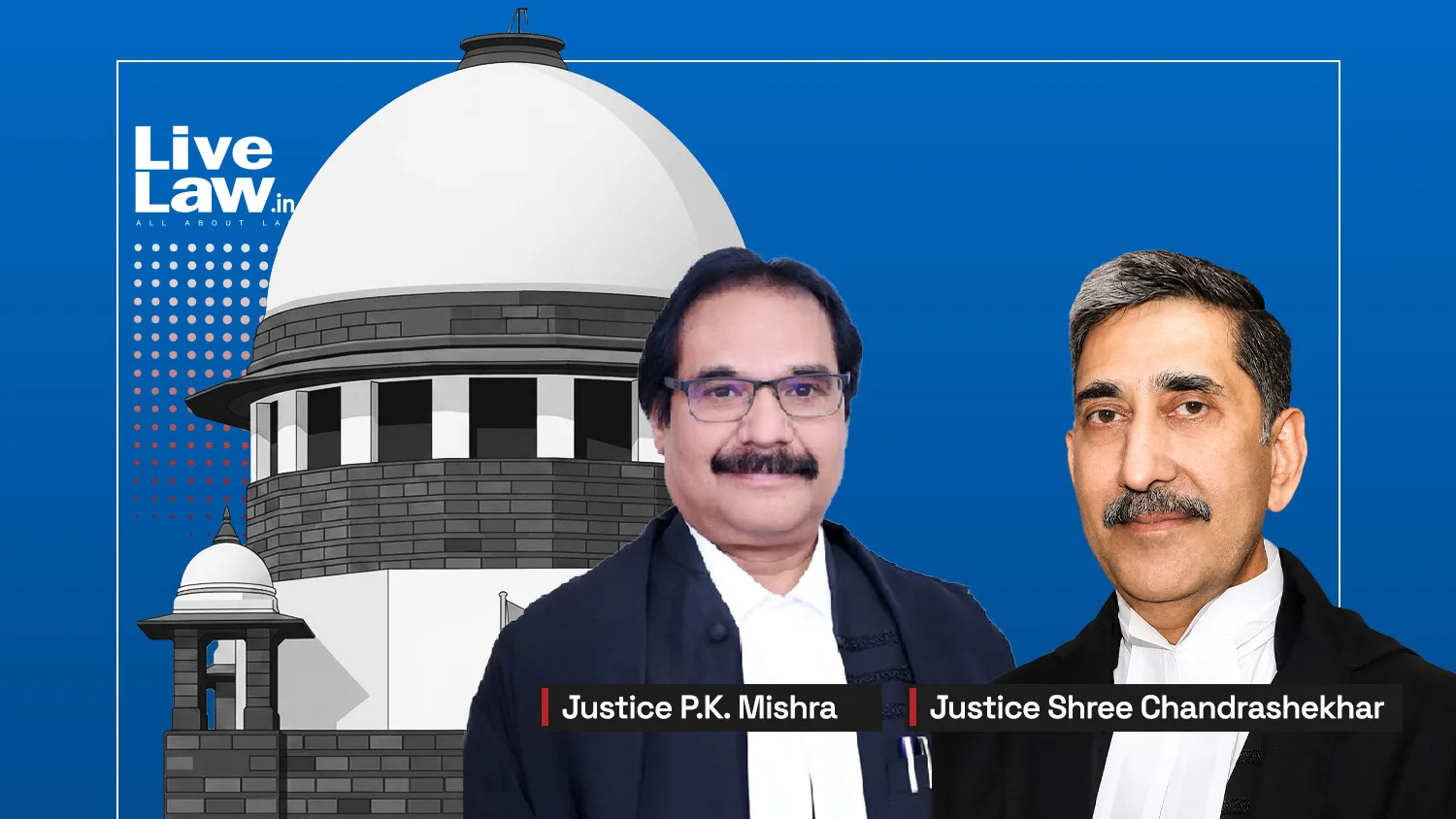
Supreme Court Responds to October 12 March with Notice
The Supreme Court has issued a notice regarding a plea against a political march held on October 12, emphasizing its authority amidst political pressures.
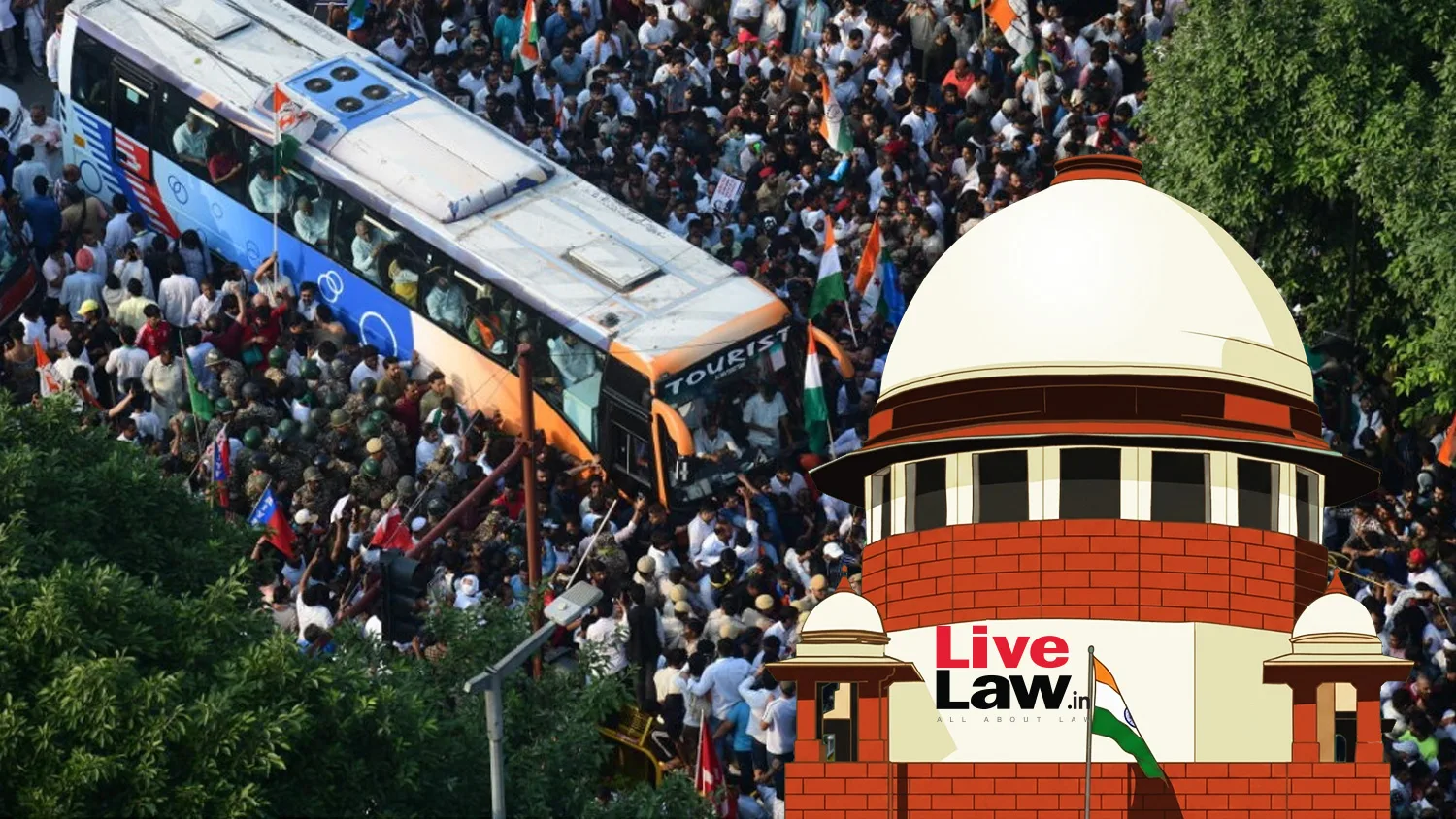
The Supreme Court is addressing a plea concerning a political march by leaders including Rahul Gandhi.
Chief Justice Surya Kant asserted that the court cannot be intimidated by external pressures.
The court has ordered the preservation of CCTV footage from the Supreme Court premises.
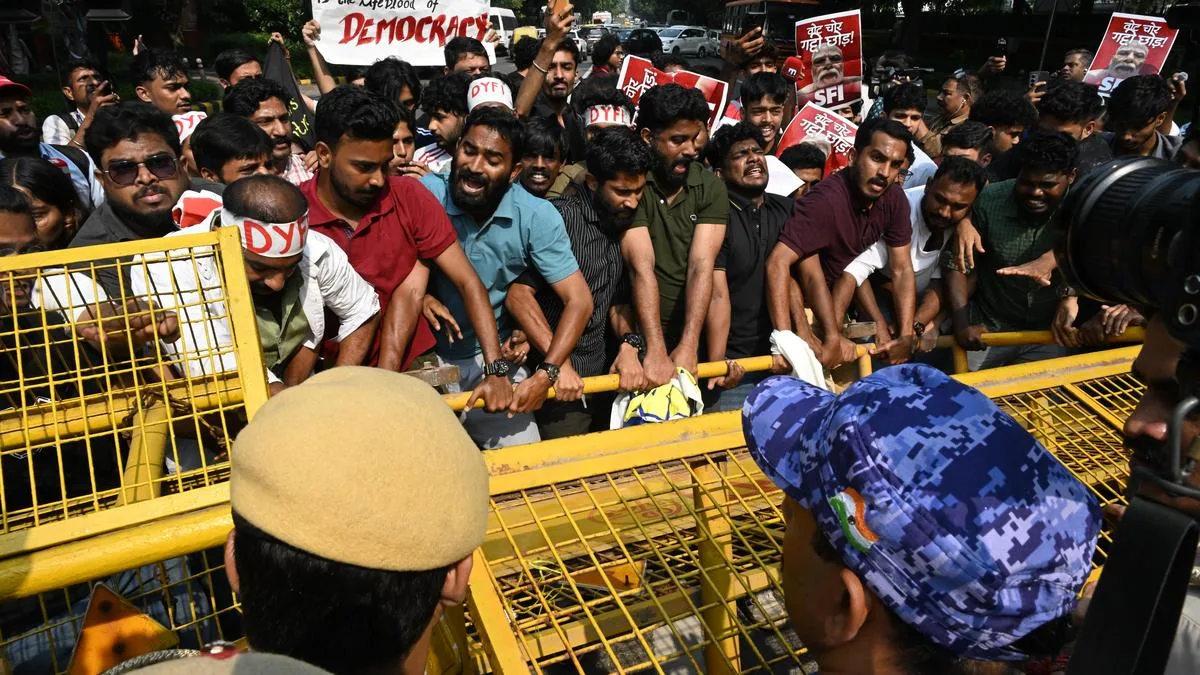
In a significant development, the Supreme Court of India has issued a notice in response to a plea concerning a political march that took place on October 12. This march involved prominent political figures, including Rahul Gandhi, and was aimed at addressing issues related to the Election Commission of India. The plea seeks to establish a regulatory framework for protests near judicial complexes, highlighting concerns over the integrity of the court's proceedings.
The backdrop of this incident stems from the Chief Justice's earlier refusal to meet with opposition leaders who sought to present a memorandum regarding their grievances. This refusal prompted the march, which the court deemed inappropriate for the judicial environment. During the proceedings, Chief Justice Surya Kant emphasized that the court is aware of external pressures and will not be swayed by them, stating, "nobody can browbeat us."
Senior Advocate Gaurav Bhatia, representing the petitioners, expressed concern over the political procession's implications for the judiciary. He noted that around 200 lawyers had signed a memorandum voicing their discontent regarding the event, which they perceived as an attempt to intimidate the court. Bhatia also raised an alarming incident where a journalist was reportedly pushed during the march, prompting further calls for accountability.
The Supreme Court's response includes directives for law enforcement agencies to preserve all relevant CCTV and digital footage from the October 12 events. This move underscores the court's commitment to maintaining order and integrity within its premises. The petitioners are advocating for clear guidelines to regulate political demonstrations around the Supreme Court and High Courts, aiming to prevent any influence on ongoing judicial proceedings.
Looking ahead, the Supreme Court's actions may set a precedent for how political activities are managed in relation to judicial proceedings. The court's firm stance against external pressures will likely resonate within legal circles and among the public, as it navigates the balance between political expression and judicial independence. The next hearings will be crucial in determining the future of political protests near judicial complexes and the implications for the involved political leaders.