Supreme Court Rules Against Backward Class Quota for Converts
The Supreme Court has ruled that individuals converting to non-Hindu religions cannot claim backward class reservations based solely on their pre-conversion status.
Supreme Court upheld Madras High Court's ruling on conversion and backward class status.
Individuals converting to Islam or other non-Hindu religions lose their pre-conversion caste benefits.
The Tamil Nadu government’s order allowing such claims was deemed unconstitutional.
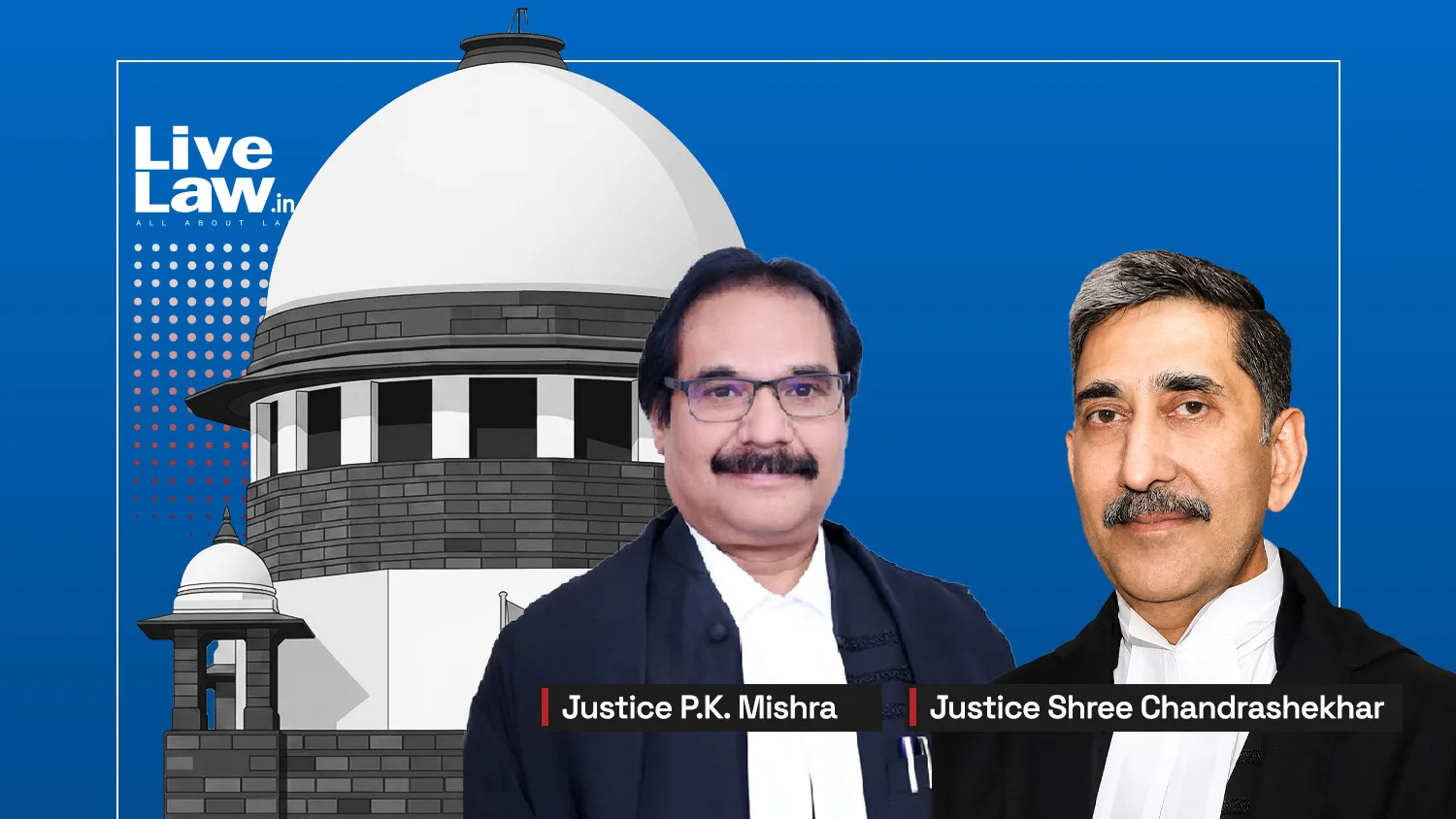
On October 15, 2026, the Supreme Court of India delivered a significant ruling regarding the eligibility of individuals converting to non-Hindu religions for backward class reservations. The court upheld the Madras High Court's previous judgment, which stated that a person's caste or community status prior to conversion does not carry over into their new religious identity. This decision was made by a bench comprising Justices Prashant Kumar Mishra and Shree Chandrashekhar, who dismissed the Tamil Nadu government's appeal against the High Court's order.
The case originated from a plea filed by Sameer Ahamed, who converted from Hinduism to Islam in 2015. Following his conversion, Ahamed sought a community certificate to be recognized as part of the Muslim Lebbai community, which would allow him to access reservation benefits. However, his application was rejected by the Tahsildar, leading to the legal challenge. The Supreme Court's ruling clarified that conversion to a non-Hindu religion severs any legal entitlement to affirmative action based on prior caste status.
The court outlined several key conclusions, emphasizing that individuals who convert to non-Hindu religions cannot claim backward class status based solely on their previous social standing. The ruling highlighted that the Constitution (Scheduled Castes) Order stipulates that individuals professing religions other than Hinduism, Sikhism, or Buddhism cannot be classified as Scheduled Castes. Thus, upon conversion, they lose any associated benefits under Article 16(4) of the Constitution.
This ruling has broader implications for the social and legal landscape in Tamil Nadu and beyond. It reinforces the principle that social identity and benefits tied to caste are not transferable upon conversion to a different religion. The Tamil Nadu government's earlier order, which allowed individuals converting from backward classes to be treated as Muslim backward classes, was declared unconstitutional, signaling a significant shift in how such conversions are viewed legally.
Looking ahead, the Tamil Nadu government has filed a Special Leave Petition challenging the Supreme Court's decision, indicating that this issue may continue to evolve through the judicial system. The outcome of this case could set important precedents regarding the intersection of religion, caste, and affirmative action in India.