Supreme Court Orders CCTV Footage Preservation Amid Protests
The Supreme Court mandates the preservation of CCTV footage from its premises as it hears petitions related to recent protests against the Chief Election Commissioner.
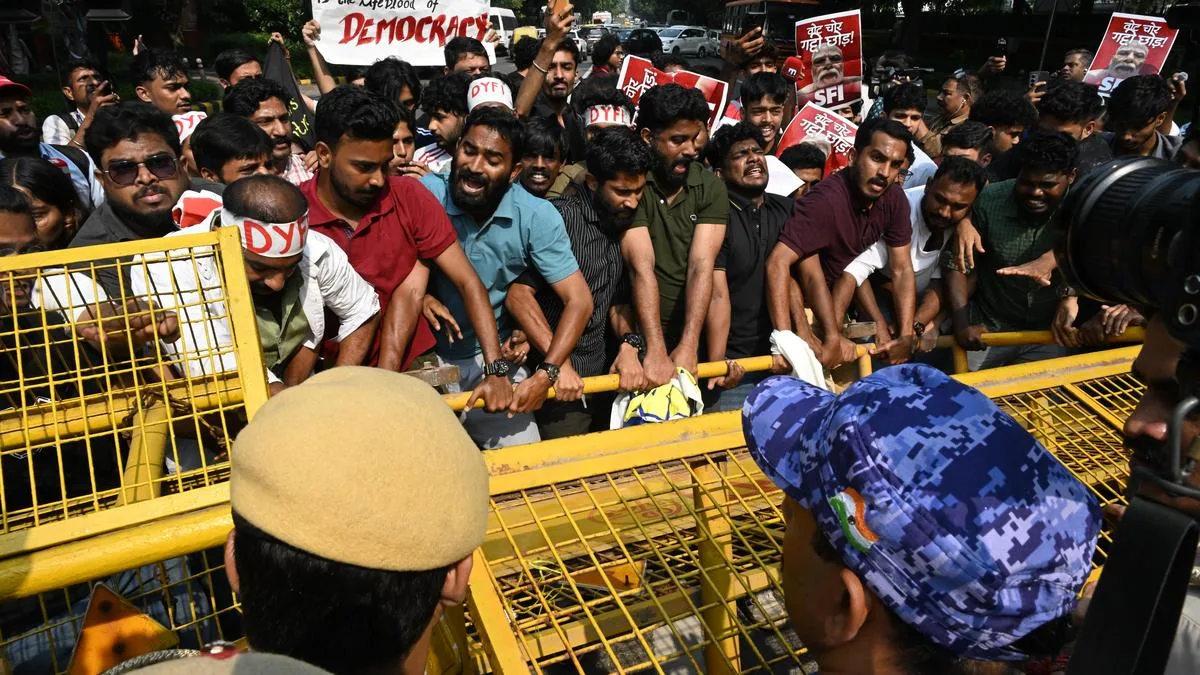
The Supreme Court has directed the preservation of CCTV footage from October 12.
Protests against Chief Election Commissioner Gyanesh Kumar are escalating, with significant political figures involved.
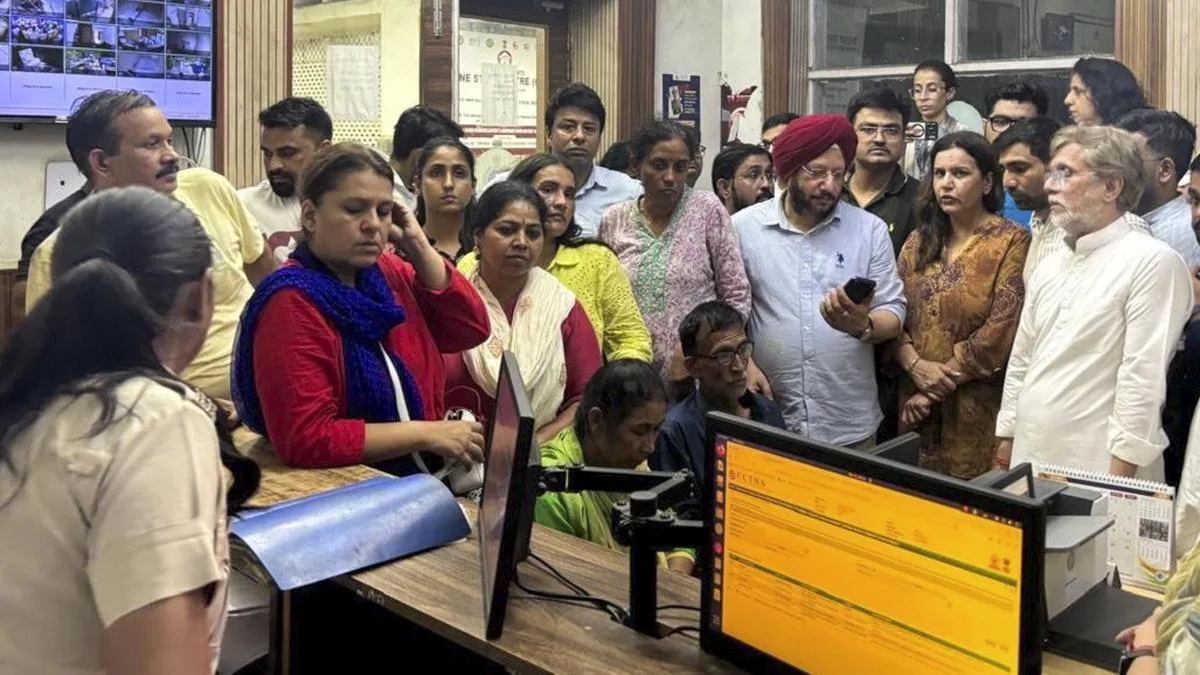
The court is addressing allegations of police misconduct and the rights of journalists amidst ongoing demonstrations.
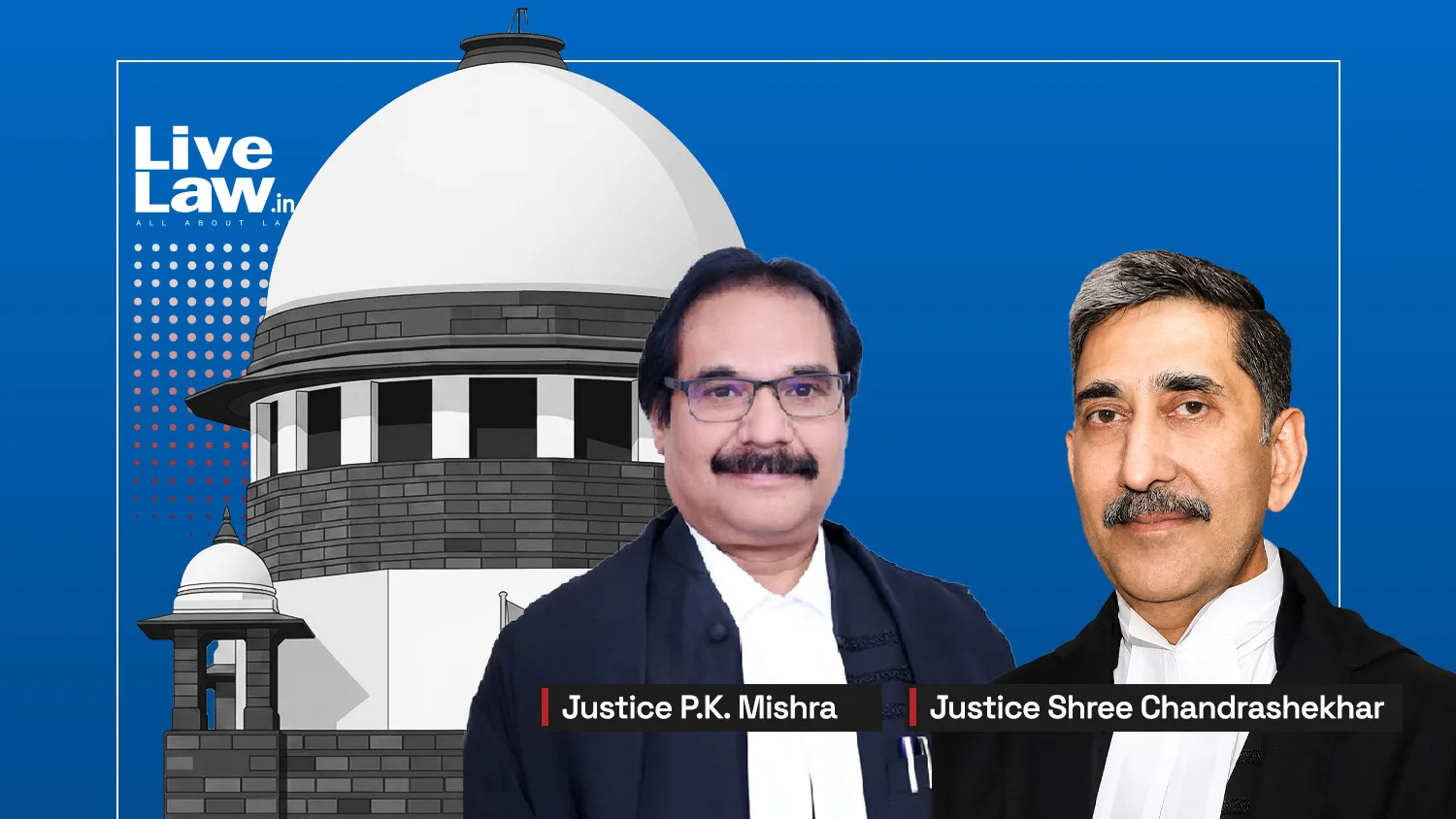
On October 15, 2026, the Supreme Court of India ordered the preservation of CCTV footage from its premises, particularly from October 12, as it began hearing petitions related to protests against Chief Election Commissioner Gyanesh Kumar. This decision comes amid rising tensions as political leaders, including Rahul Gandhi, have filed petitions demanding transparency regarding the deletion of approximately 13 crore voters from electoral rolls across the country.
The backdrop of this legal action stems from a series of protests that have erupted in response to the controversial Special Intensive Revision (SIR) process, which has been criticized for disenfranchising millions. The protests have gained momentum, with various political factions, including the INDIA bloc, actively demonstrating against the election commission's decisions. Notably, a protest organized by the Cockroach Janta Party is scheduled for October 16 at Central Park, Connaught Place, further intensifying the situation.
During the Supreme Court proceedings, Solicitor-General Tushar Mehta responded to allegations of police violence against protesters, journalists, and lawyers, asserting that no devices belonging to journalists had been seized, despite claims to the contrary. The court has requested the government to provide detailed reasons for the prohibitory orders issued under Section 163 of the BNSS, which have been criticized for lack of transparency.
The implications of these protests and the Supreme Court's involvement are significant for civil liberties in India. The court's acknowledgment of the need to investigate police actions against journalists and protesters highlights the ongoing struggle for freedom of expression and the right to protest in the country. The outcome of these hearings could set important precedents regarding the treatment of journalists and the accountability of law enforcement during public demonstrations.
Looking ahead, the Supreme Court is expected to continue its hearings on these petitions, with further discussions on the rights of protesters and the responsibilities of the police. The next hearing is anticipated to address the formation of a committee to investigate allegations of harassment against women journalists, as well as the broader implications of the ongoing protests for India's electoral integrity and civil rights.