Saudi Coalition Intercepts Three Houthi Missiles Targeting Riyadh
The Saudi-led coalition successfully intercepted three ballistic missiles aimed at Riyadh and Khamis Mushait, amid rising tensions in the region.
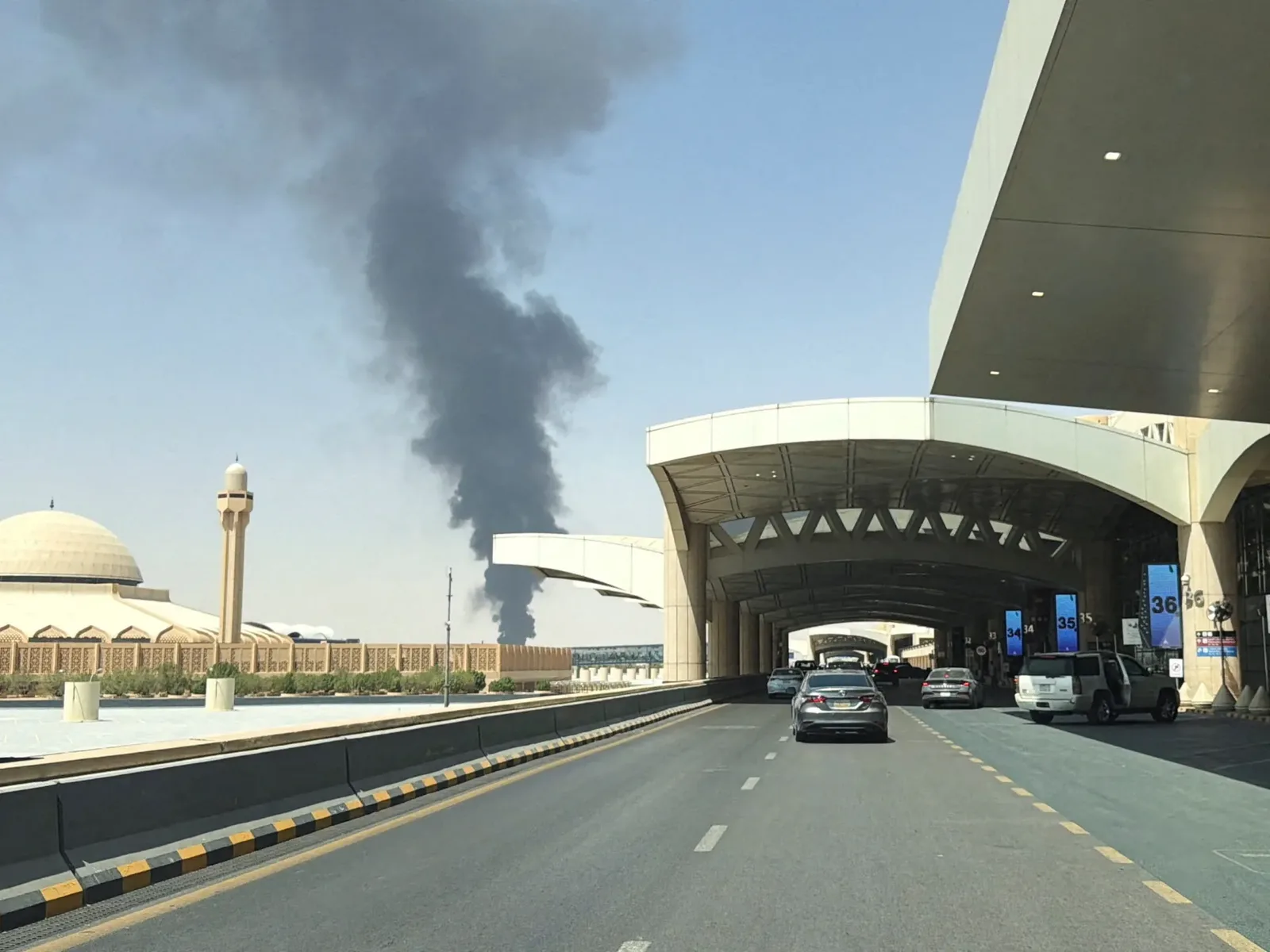
Two missiles were directed towards Riyadh, while one targeted Khamis Mushait.
Falling debris caused damage to a kindergarten and medical clinic in Riyadh.
Air India and Lufthansa have canceled flights to Riyadh due to safety concerns.
On Thursday, the Saudi-led coalition announced the interception of three ballistic missiles allegedly launched by Yemen's Houthi forces. Two of these missiles were reportedly aimed at the Saudi capital, Riyadh, while the third was directed towards Khamis Mushait, a city near the Yemeni border. The coalition's spokesman, Turki al-Maliki, confirmed the successful destruction of these threats, highlighting the ongoing conflict's escalation.
The recent missile attacks come amid heightened tensions in the region, with the Houthis warning aviation companies to avoid Saudi airspace. This warning follows a series of previous attacks on Saudi airports, including incidents that resulted in civilian casualties. In a related statement, Saudi Arabia's civil defense agency reported that debris from an intercepted missile caused material damage to a kindergarten and a medical clinic in Riyadh, although no casualties were reported.
Yahya Saree, the Houthi military spokesman, claimed that their forces successfully targeted King Khalid International Airport in Riyadh, asserting that the missile hit its intended target and disrupted air traffic. Witnesses reported hearing multiple explosions in the city, including at the airport, which temporarily halted flights. The U.S. embassy in Saudi Arabia has advised its citizens to remain vigilant due to potential travel disruptions and airspace closures.
The implications of these attacks are significant for both regional security and civilian safety. Qatar and other nations have condemned the Houthi strikes, labeling them a violation of Saudi sovereignty and a threat to regional stability. The ongoing conflict has already displaced over 200,000 people in Yemen, with the International Organization for Migration reporting a sharp increase in displacement due to recent escalations in fighting.
Looking ahead, the situation remains precarious, with pro-government forces in Yemen preparing for further confrontations with Houthi fighters. The coalition's recent military actions and the Houthis' retaliatory threats suggest that the conflict may intensify in the coming days, raising concerns about the safety of civilians and the stability of air travel in the region.