RJD MP Manoj Jha Files Supreme Court Petition Over Police Actions During Protests
Manoj Jha challenges Delhi Police's conduct during protests against CEC Gyanesh Kumar, citing illegal detentions and excessive force.
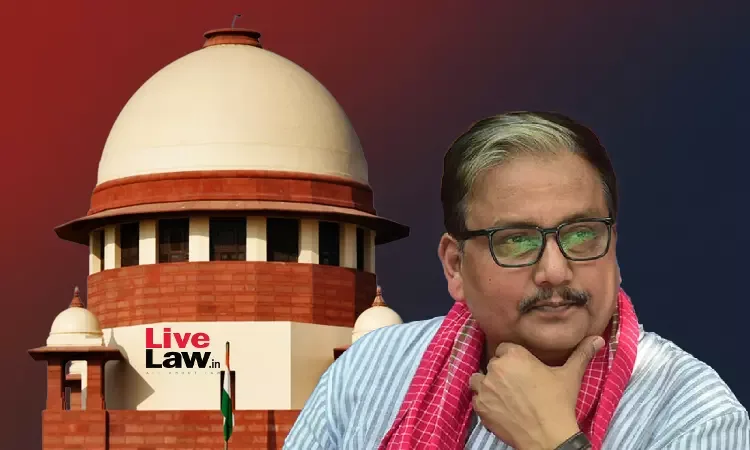
Manoj Jha alleges police used excessive force and illegal detentions during protests on October 10.
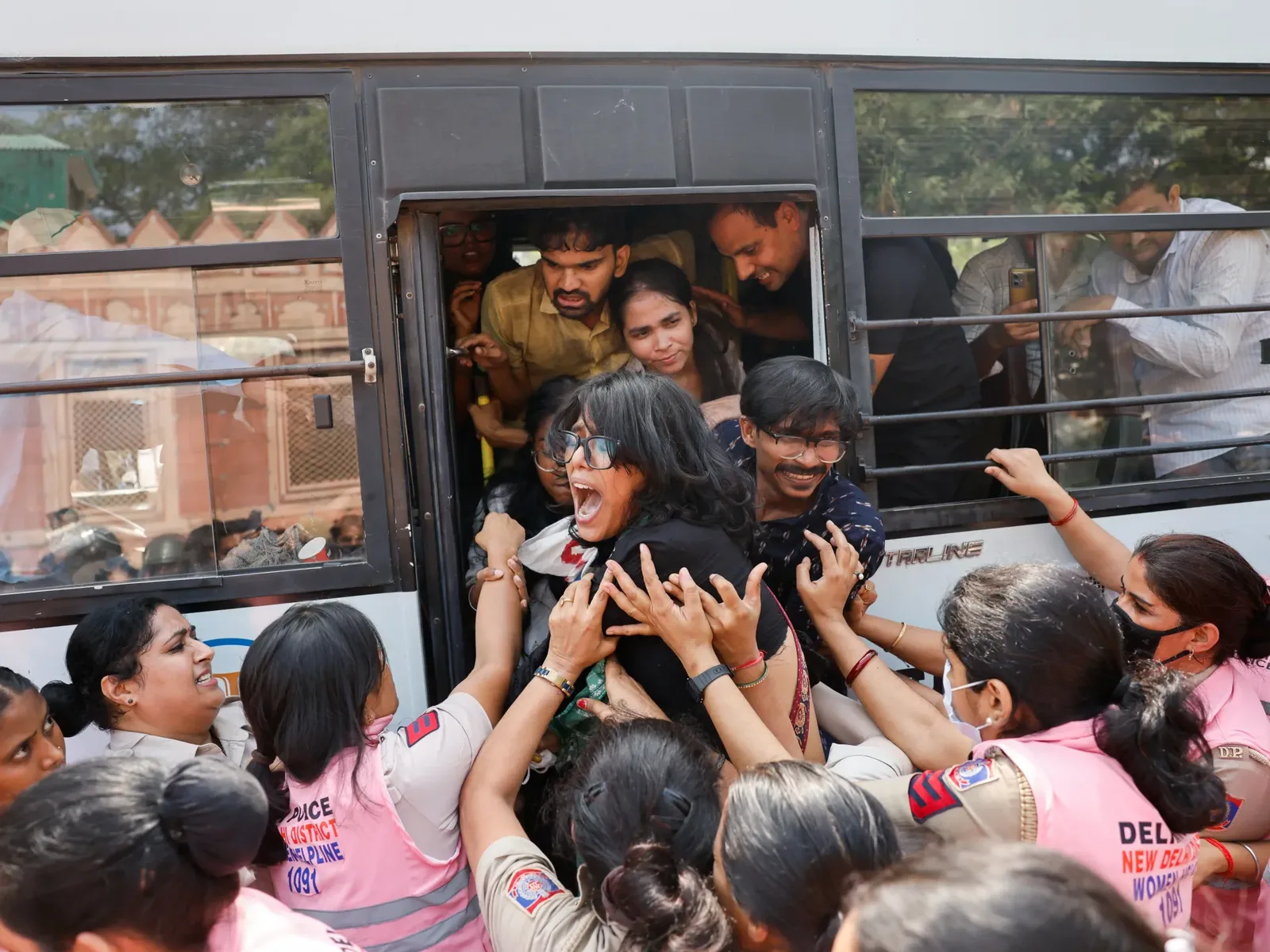
Over 6,000 individuals, including prominent leaders, were reportedly detained by authorities.
The petition claims violations of fundamental rights and seeks to declare police actions illegal.
RJD MP Manoj Jha has approached the Supreme Court, contesting the actions of the Delhi Police during protests held on October 10 against Chief Election Commissioner Gyanesh Kumar. Jha's petition highlights allegations of excessive force, illegal detentions, and harassment of peaceful demonstrators, including women. The MP filed the plea through advocate Fauzia Shakil, asserting that the police's response was disproportionate and violated the rights of the protestors.
The context of the protests stems from widespread dissatisfaction with the Election Commission's handling of electoral processes, leading to significant public outcry. Jha's allegations include that the police engaged in unlawful detentions of unarmed protestors, student leaders, and civilians, as well as instances of sexual harassment. He also noted that another protest was scheduled for October 11, indicating ongoing unrest.
In his plea, Jha claims that the police actions on October 9 and 10 resulted in severe disruptions for Delhi residents, including the closure of major roads, metro stations, and internet services. The petition cites the illegal nature of the police's actions, particularly the suspension of internet services and the shutdown of transport systems, which Jha argues contravenes a prior court order regarding the maintenance of public transport services during protests.
The implications of Jha's petition extend beyond the immediate events, highlighting broader issues of civil rights and police conduct in India. The alleged detentions of over 6,000 individuals, including former Chief Ministers and senior advocates, raise concerns about the state’s handling of dissent. Furthermore, the reported presence of armed groups intimidating peaceful protestors adds to the urgency of addressing police accountability and protecting citizens' rights to assemble peacefully.
Looking ahead, the Supreme Court's response to Jha's petition could set a significant precedent regarding the balance between maintaining public order and safeguarding fundamental rights. The court's decision will be closely watched, particularly as the political climate remains tense with ongoing protests and calls for accountability from various sectors of society.