Opposition Protests Demand Accountability from Election Chief Gyanesh Kumar
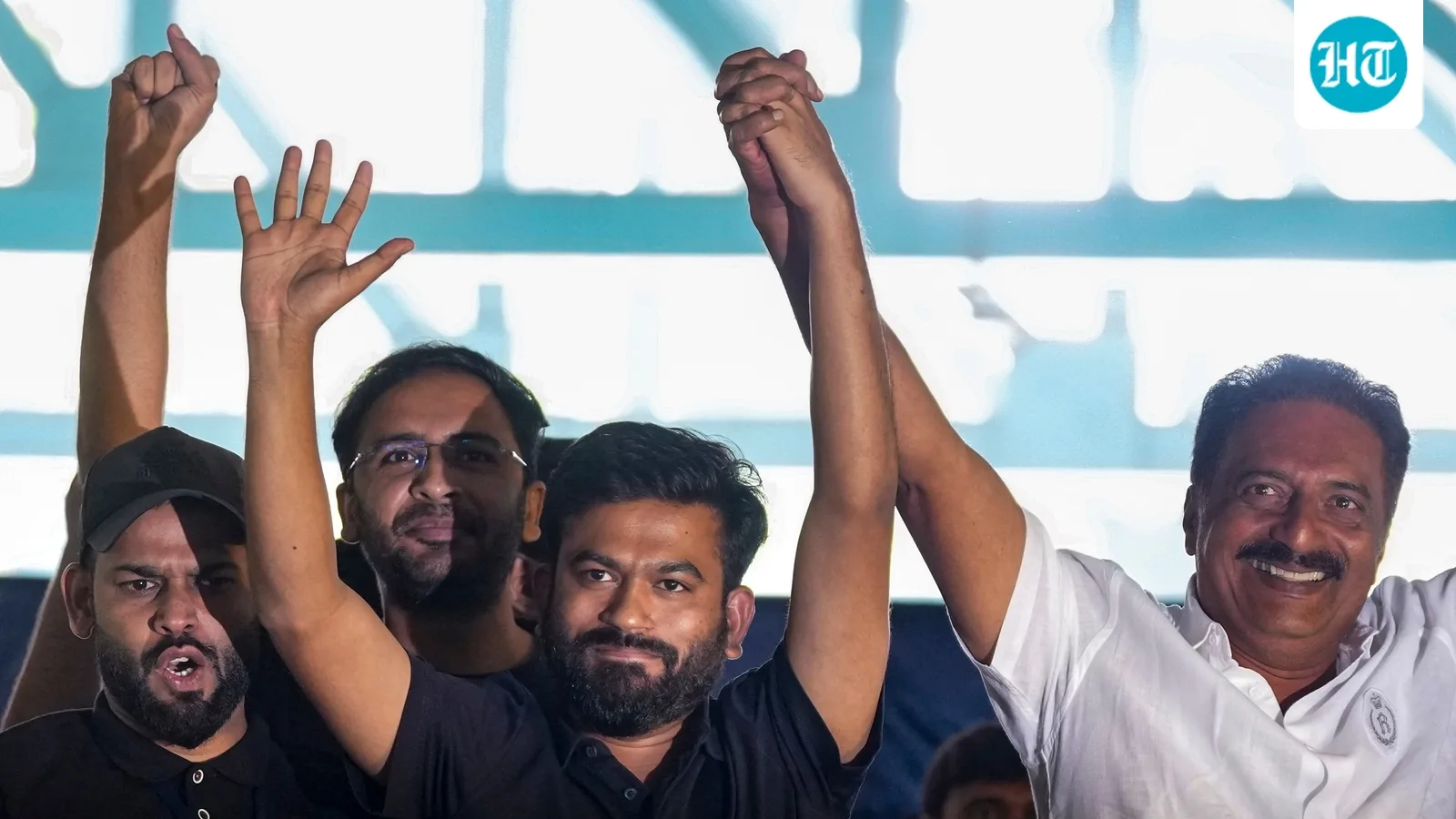
On October 6, around 240 Opposition MPs protested outside the Election Commission, demanding a meeting with Chief Election Commissioner Gyanesh Kumar.

Opposition MPs were denied entry to the Election Commission office during their protest.
The Election Commission claimed no appointment was requested until late in the day.
Concerns have been raised about Gyanesh Kumar's handling of political interactions.
On October 6, approximately 240 members of the Opposition marched towards the Election Commission of India’s office in New Delhi, seeking a meeting with Chief Election Commissioner Gyanesh Kumar and calling for his resignation. The protest was halted a few hundred meters from the office, where the MPs sat in demonstration against what they perceived as a lack of accountability from the Election Commission.
The Election Commission responded with a statement asserting that it was unaware of any request for a meeting until 4 PM that day, and that it had learned of the MPs' intentions through media reports. The Commission indicated that it had offered to send a senior officer to receive a memorandum from the delegation, but the MPs declined this offer, insisting on a direct meeting with Kumar.
This incident is part of a broader pattern of tension between the Chief Election Commissioner and various political parties. Over the past year, Kumar has faced criticism for his interactions with Opposition leaders, including a public demand for Rahul Gandhi to substantiate his allegations against the Commission or apologize. Reports have emerged of Kumar dismissing delegations with remarks such as “get lost,” raising concerns about his approach to political dialogue.
The implications of these events extend beyond the immediate protest. The Opposition's grievances highlight a growing perception that the Election Commission, under Kumar's leadership, is becoming increasingly inaccessible and unresponsive to the needs of political stakeholders. This situation raises questions about the integrity of the electoral process and the Commission's role in facilitating fair political discourse.
Looking ahead, the Opposition has indicated that it will continue to press for accountability from the Election Commission. Future protests and demands for meetings are likely as political tensions escalate, particularly in the lead-up to upcoming elections. The Commission's response to these challenges will be crucial in determining its credibility and effectiveness as an impartial electoral body.