Madhya Pradesh Leads in Stubble Burning as Winter Approaches
With winter nearing, stubble burning incidents surge, particularly in Madhya Pradesh, raising air quality concerns in Delhi-NCR.
Madhya Pradesh reported 118 stubble burning incidents, the highest this season.
Farmers continue to burn stubble due to lack of affordable alternatives for crop residue management.
Technological solutions, including satellite monitoring, are being explored to mitigate the issue.
As the winter season approaches, the issue of stubble burning has resurfaced, with Madhya Pradesh emerging as the leading state for crop-residue fires this year. Data from the Indian Agricultural Research Institute indicates that between September 15 and October 6, 2026, a total of 287 incidents of crop-residue burning were recorded across several states, including Punjab, Haryana, and Uttar Pradesh. Madhya Pradesh accounted for 118 of these incidents, while Punjab saw a notable decline with only 88 incidents reported.
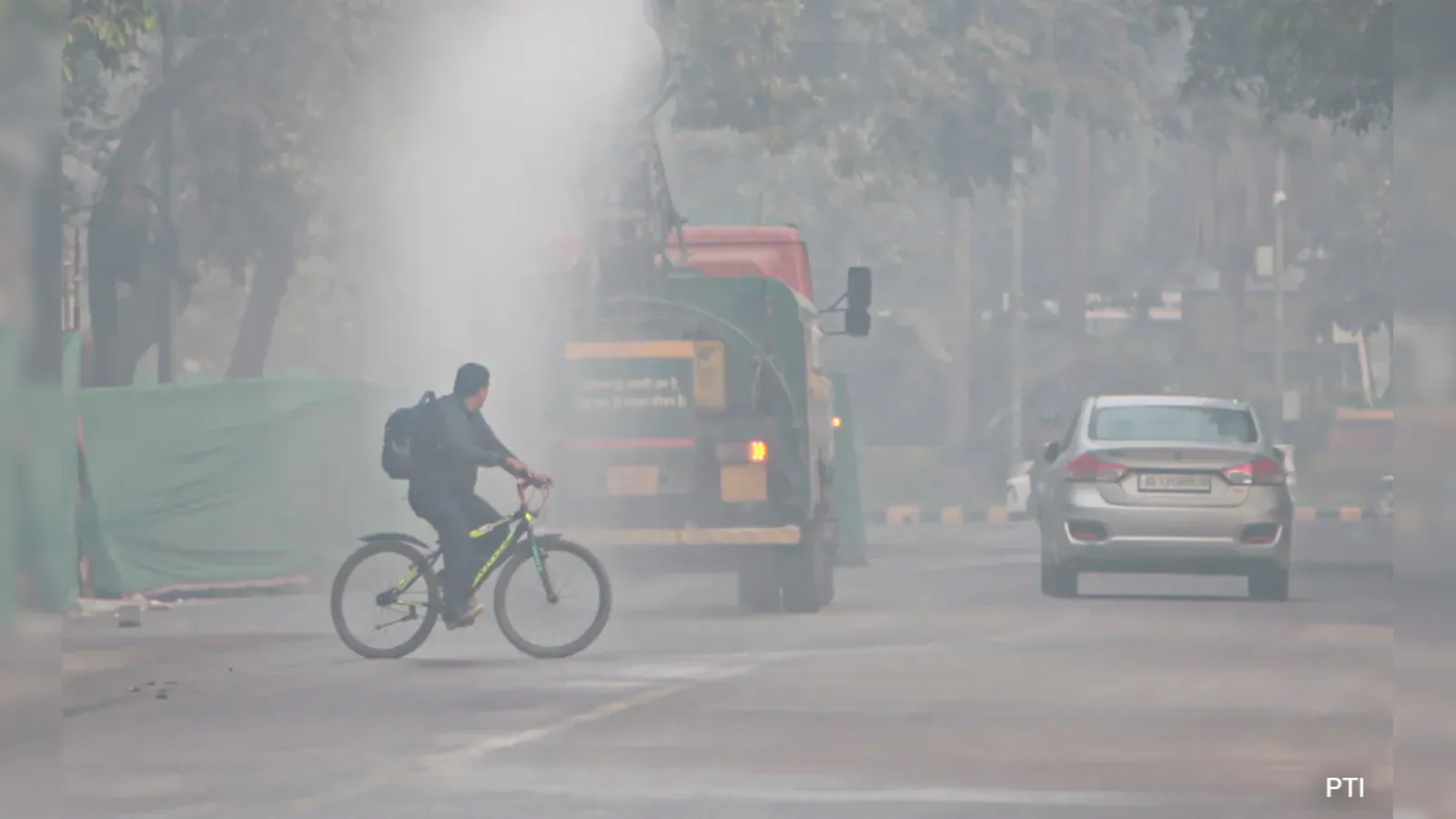
The rise in stubble burning is particularly concerning for the Delhi-NCR region, where air quality deteriorates significantly during winter months. The challenge lies not only in preventing farmers from burning crop residue but also in providing them with practical alternatives. Many farmers resort to burning as it remains the quickest method to clear fields after the paddy harvest, making it essential to address the underlying issues of access and cost related to crop-residue management machinery.
Experts like Sameer Sagar, Founder & Director of AlgaeTree & Mushroom World Group, emphasize the need for solutions that are both practical for farmers and environmentally sustainable. Improved access to crop-residue management tools and technologies that can convert waste into resources could diminish the incentive to burn. This shift in perspective could transform stubble from a waste product into a valuable resource, benefiting both the farmers and the environment.
Technological advancements are already being utilized to monitor stubble burning incidents. Satellite remote sensing is employed to track active fires, with the CREAMS system providing timely data to authorities. On October 6 alone, satellites detected 33 incidents of crop-residue burning, predominantly in Madhya Pradesh. However, monitoring must be complemented by ground-level verification to enhance response times and enforcement efforts.
Addressing the stubble burning issue requires more than temporary fixes; it necessitates finding commercial uses for crop residue. If farmers can monetize agricultural waste, the appeal of burning it diminishes. Establishing connections between farms and industries that can utilize crop residue as raw material or fuel is vital. Additionally, while stubble burning is a significant contributor to air pollution in Delhi-NCR, other factors such as vehicular emissions and industrial pollution also play a role. A multifaceted approach is essential, combining technological solutions with sustainable practices to tackle the broader air quality challenges faced by the region.