Netanyahu's Pre-Election Military Strategy on Iran Faces Pushback
Israeli PM Benjamin Netanyahu's attempts for military action against Iran before the October 27 elections met with resistance from military leaders.
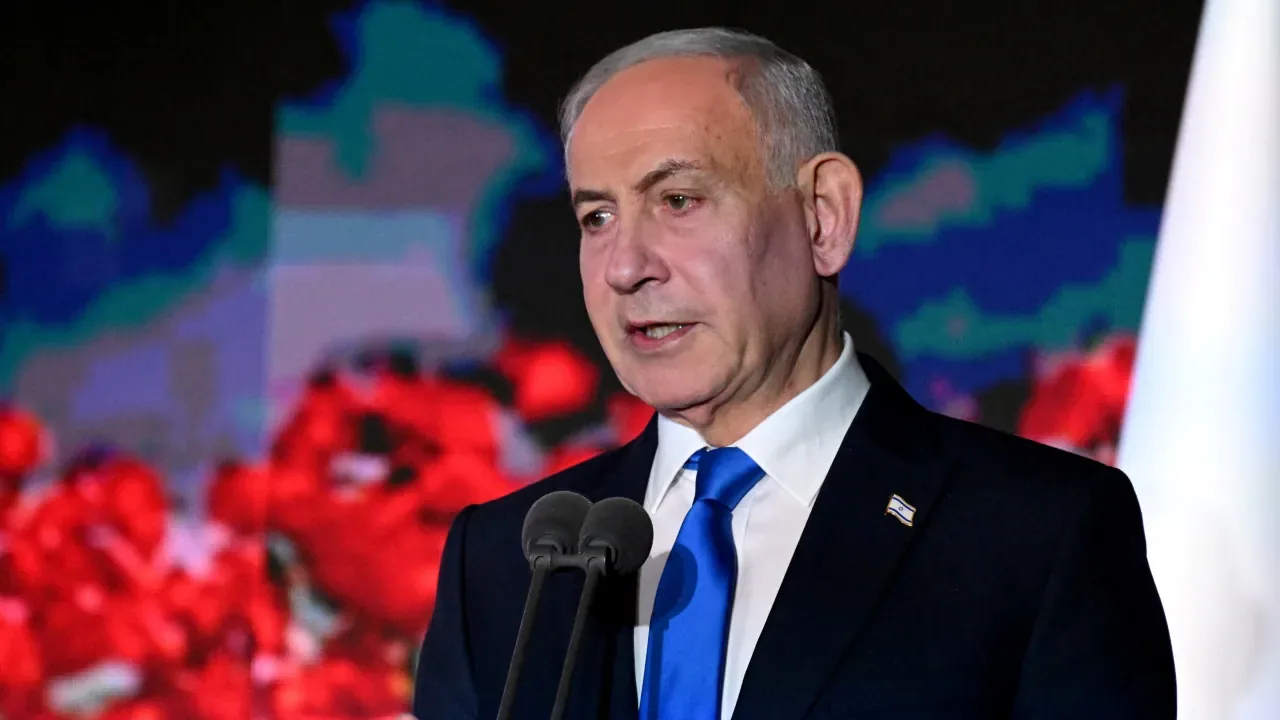
Netanyahu sought military action against Iran ahead of the elections but faced opposition from top military officials.
Concerns were raised about the timing and potential retaliation from Iran without sufficient justification.
Israeli Defense Minister denied any disputes between political and military leadership regarding Iran.
In the weeks leading up to Israel's elections on October 27, Prime Minister Benjamin Netanyahu attempted to initiate military action against Iran, according to reports from The New York Times and CNN. However, he encountered significant resistance from Israel's military leadership, particularly from IDF Chief of Staff Lt. Gen. Eyal Zamir, who questioned the necessity and timing of such actions.
Zamir expressed concerns that launching an airstrike on Iran could provoke retaliation from Tehran without a compelling military rationale. He, along with Israeli Air Force commander Maj. Gen. Omer Tischler, highlighted the lack of an urgent operational need for military action before the elections. This internal disagreement reflects broader tensions regarding Israel's approach to Iran amid a politically charged atmosphere.
Reports indicate that Netanyahu was also in discussions with the Trump administration about a potential joint US-Israeli strike on Iran, but was advised to postpone any military action until the US was prepared. An Israeli security source revealed that Netanyahu was eager to secure a joint attack before the elections, but Trump did not authorize it. The US had reportedly developed strike options that could be executed swiftly if given the go-ahead.
The implications of these military discussions are significant, as Netanyahu has framed the upcoming elections as a critical referendum on Israel's security. He has publicly emphasized the threat posed by Iran, even sharing an AI-generated image depicting a mushroom cloud over Tel Aviv to underline his point. Critics argue that Netanyahu is leveraging security concerns to sway voters in his favor, raising ethical questions about the use of military action in electoral politics.
In response to the reports of discord between Netanyahu and military leaders, Defense Minister Israel Katz dismissed the claims as unfounded, asserting that Israel had no plans to initiate an attack prior to the elections. He cautioned that any Iranian aggression would elicit a strong response from Israel. The IDF reiterated that its operational decisions are based solely on security needs, dismissing any narratives suggesting political motivations behind military strategies.