AI's Role in Early Detection of Tuberculosis and Lung Cancer Highlighted at Medical Conference
Experts at a national conference emphasize the transformative potential of AI in identifying respiratory diseases earlier.
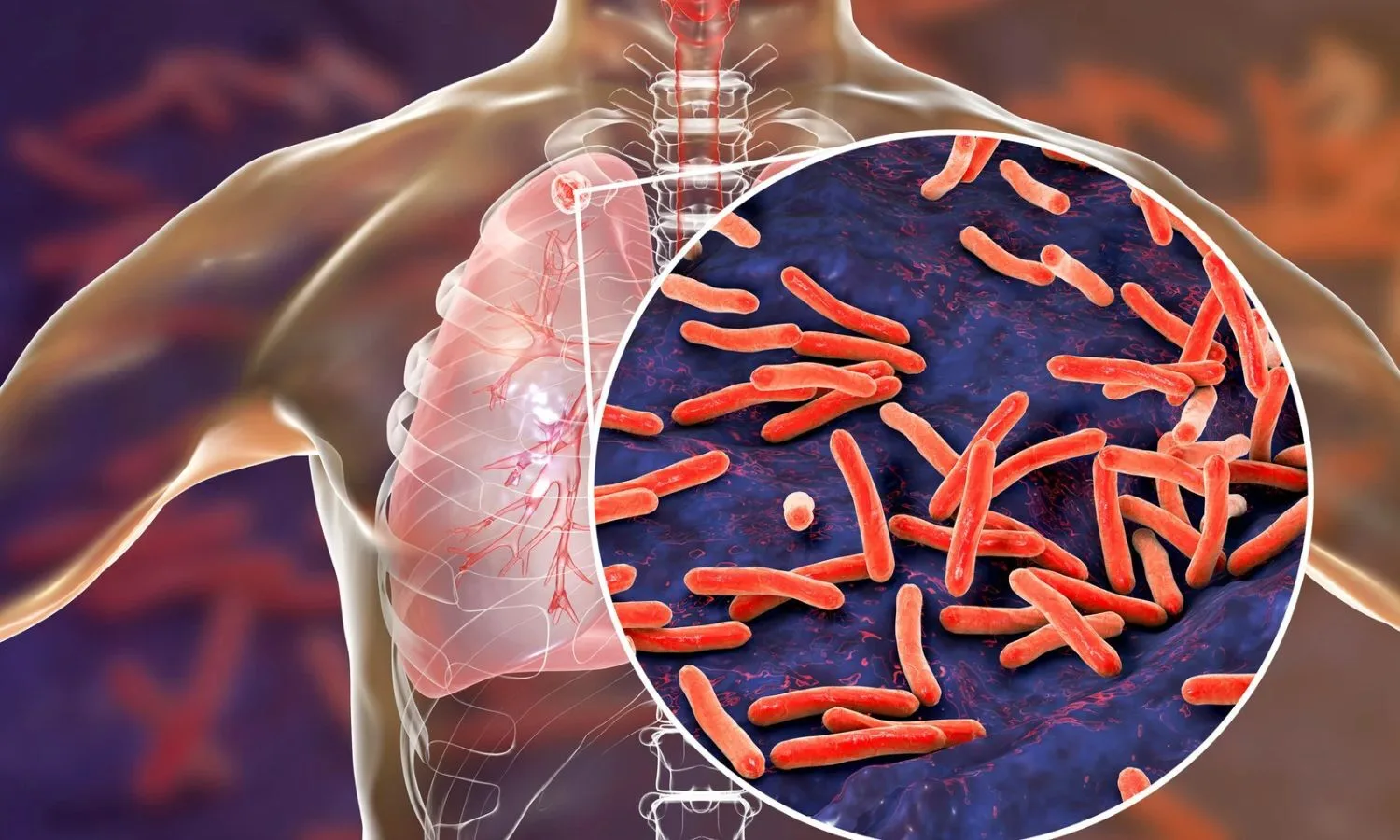
AI can enhance early detection and diagnosis of tuberculosis and lung cancer.
The 28th Joint Annual National Conference gathered over 2,000 healthcare professionals.
AI tools can assist in analyzing chest X-rays, improving patient prioritization for testing.
In a significant development for public health, experts at the 28th Joint Annual National Conference of the National College of Chest Physicians, India, and the Indian Chest Society, held in Jaipur from October 22 to 25, discussed the promising role of artificial intelligence (AI) in the early detection of tuberculosis (TB) and lung cancer. The conference attracted more than 2,000 pulmonologists, respiratory physicians, and healthcare professionals from across the globe, highlighting the urgent need for innovative solutions in managing respiratory diseases.
Dr. Randeep Guleria, former Director of AIIMS, emphasized that AI could revolutionize the identification and management of respiratory diseases. He pointed out that AI-driven tools are capable of detecting abnormalities in chest X-rays and CT scans, which can lead to quicker and more informed medical decisions. Guleria stated, "Artificial intelligence has the potential to change how we approach the early detection of respiratory diseases," indicating its vital role in supporting healthcare professionals.
The conference underscored the capabilities of AI software in analyzing chest X-rays to identify patterns indicative of tuberculosis. This technology is particularly beneficial in regions with limited access to specialist radiologists, allowing healthcare workers to prioritize patients who need further testing. Dr. Raj Kumar, Director of the Vallabhbhai Patel Chest Institute, noted that AI-assisted screening could significantly enhance the efficiency of TB detection programs across India.
Moreover, discussions also highlighted AI's growing influence in lung cancer diagnosis. Advanced algorithms can aid clinicians in reviewing CT scans, identifying suspicious lung nodules, and flagging abnormalities that may necessitate additional evaluation. This integration of AI into diagnostic processes could lead to earlier interventions, ultimately improving patient outcomes.
Looking ahead, the potential for AI in healthcare continues to expand, with further research and development needed to fully harness its capabilities. Upcoming initiatives may focus on integrating AI tools into routine clinical practice, particularly in underserved areas, to ensure that advancements in technology translate into tangible health benefits for the population.