Nandan Nilekani Advocates AI for NEET Exam Reforms
Nandan Nilekani proposes AI-generated tests to eliminate question paper leaks in NEET and other high-stakes exams.
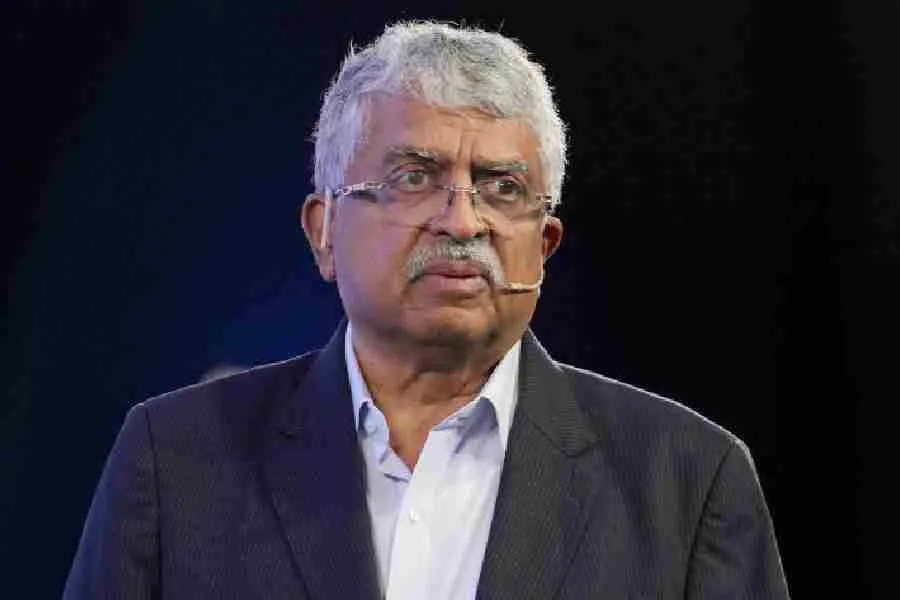
Nandan Nilekani suggests replacing traditional question papers with AI-generated ones.
The proposal aims to curb exam paper leaks that have disrupted NEET and other tests.
A task force led by Nilekani is set to submit its first report by the end of the month.
Nandan Nilekani, a prominent technology leader and co-founder of Infosys, has proposed a radical shift in the examination process for high-stakes tests like NEET. Speaking at the Bloomberg New Economy Forum 2026, he emphasized the need to replace conventional question papers with AI-generated questions and implement nationwide computer-based testing to combat the persistent issue of exam paper leaks. Nilekani, who leads a task force on exam reforms established after the NEET-UG question paper leak in May, believes that a systematic approach utilizing technology can effectively address these challenges.
The NEET-UG exam faced significant disruptions earlier this year when its question paper was leaked, leading to widespread protests from students and the eventual resignation of the then Union Education Minister, Dharmendra Pradhan. Nilekani pointed out that the root causes of these leaks can be tackled by generating question papers from a vast question bank at the last moment, thereby eliminating the economic incentives that lead to leaks. He stated, "The question then becomes, why do we need to have something called a question paper?" This approach aims to fundamentally change how exams are conducted, making them more secure and efficient.
Nilekani's task force is exploring the feasibility of using AI to generate exam papers on the day of the test. He indicated that this would require expanding the current network of approximately 150,000 testing locations across the country. The integration of technology in examinations is seen as a crucial step towards enhancing the integrity of the testing process. Nilekani expressed confidence that these systemic issues can be resolved and that the Prime Minister is supportive of the task force's recommendations.
The implications of these reforms could be significant for students and the education sector in India. By moving towards AI-generated tests and computer-based assessments, the government aims to restore trust in the examination system and reduce instances of malpractice. This shift could also pave the way for a more streamlined and efficient examination process, benefiting students nationwide.
Looking ahead, the task force is expected to submit its first report by the end of the month, outlining specific recommendations for implementing these changes. As the education sector awaits these developments, the focus remains on how effectively technology can be harnessed to create a more secure and equitable examination environment.