Houthi Attacks on Riyadh Airport Kill 12 Amid Saudi Military Struggles
Recent Houthi assaults on Riyadh's King Khalid International Airport have raised alarms over Saudi Arabia's military effectiveness.
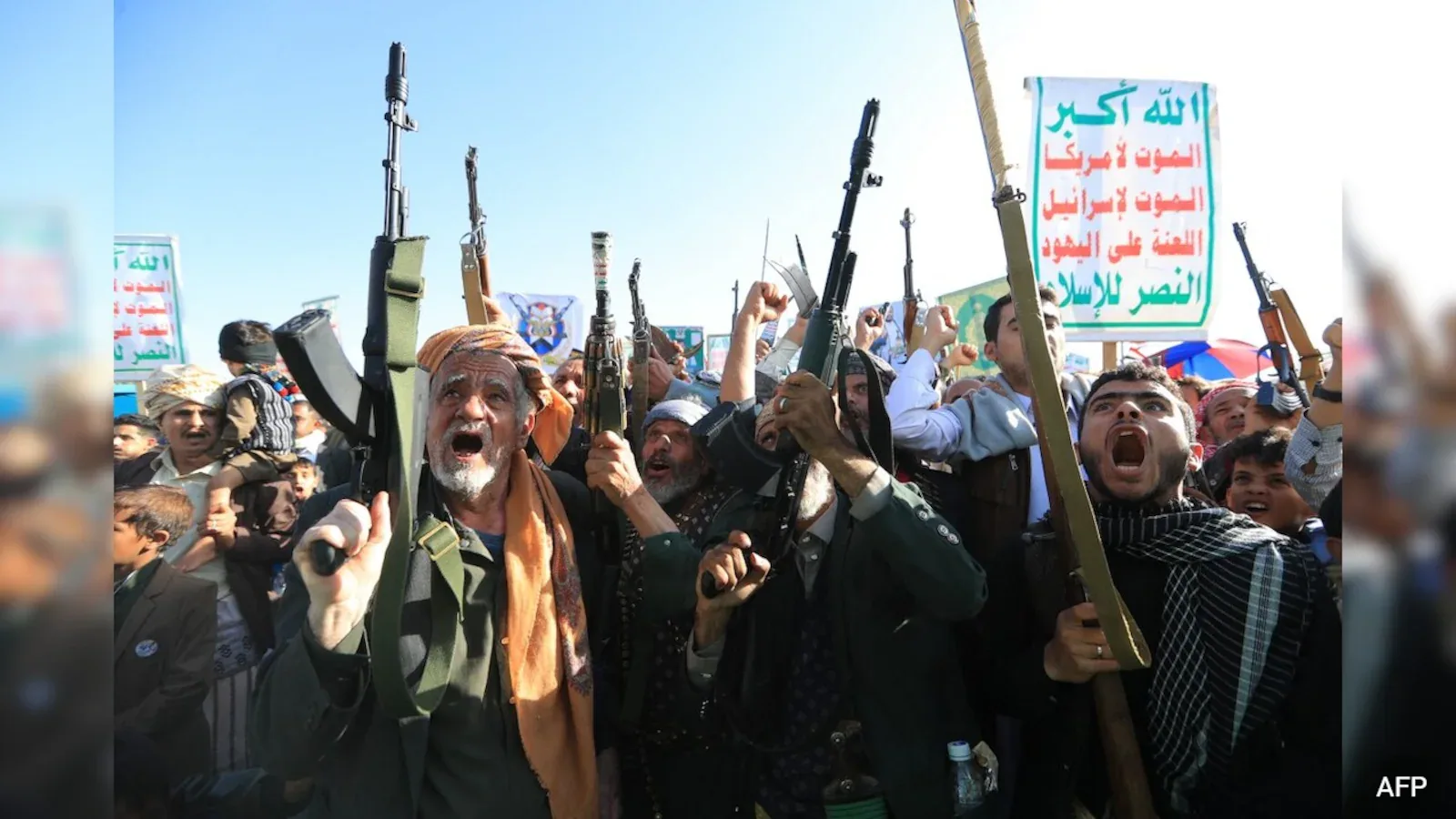
Houthi rebels launched a deadly attack on Riyadh's airport, resulting in 12 fatalities.
Saudi Arabia's military, despite significant spending, faces challenges in defending against Houthi strikes.
The ongoing conflict highlights vulnerabilities in Saudi Arabia's defense strategy and its implications for regional stability.
In a significant escalation of hostilities, Houthi rebels targeted King Khalid International Airport in Riyadh over the weekend, resulting in the deaths of 12 individuals and injuring over 300. This incident marks one of the deadliest attacks on Saudi Arabia in more than a decade, prompting diplomatic missions to caution their citizens against traveling to the airport. The attack underscores the deteriorating security situation in the kingdom, particularly following the breakdown of a truce earlier this year between Houthi forces and the Saudi-backed Yemeni government.
The recent surge in Houthi attacks comes as Saudi Arabia has intensified its military operations in Yemen, particularly after the Houthis seized strategic territories along the Red Sea coast. The Saudi military, which has invested approximately $83 billion in defense, is considered one of the best-equipped forces globally. However, the effectiveness of its military capabilities is being challenged by the Houthis, who have improved their arsenal significantly since taking control of the Yemeni capital, Sanaa, in 2014.
Saudi Arabia's military strategy relies heavily on advanced weaponry acquired from Western nations, including the United States and European countries. Despite possessing sophisticated systems like F-15 fighter jets and missile defense systems, the kingdom's vast geography complicates its defense efforts. Experts argue that the size of Saudi Arabia makes it nearly impossible to maintain a comprehensive defense against Houthi missile and drone attacks, which have increasingly targeted critical infrastructure, including oil facilities and airports.
The implications of these attacks extend beyond immediate casualties. The repeated strikes on vital infrastructure, particularly the airport, threaten Saudi Arabia's reputation as a secure destination for investment and tourism, a key component of Crown Prince Mohammed bin Salman's Vision 2030 initiative. The attacks not only inflict physical damage but also carry significant economic and psychological repercussions, particularly as the country prepares for high-profile events like the WPC Energy Congress.
Looking ahead, the situation remains precarious as the conflict in Yemen continues to evolve. The Houthis' ability to conduct successful strikes against Saudi targets indicates a shift in the dynamics of the war, prompting concerns about the kingdom's long-term security and stability. As both sides brace for further confrontations, the international community watches closely, hoping for a resolution to the ongoing conflict that has persisted for years.