Modi and Nepal's PM Shah to Discuss Energy and Connectivity on Nov 23
Prime Ministers Modi and Shah will meet to enhance bilateral ties, focusing on energy and infrastructure.
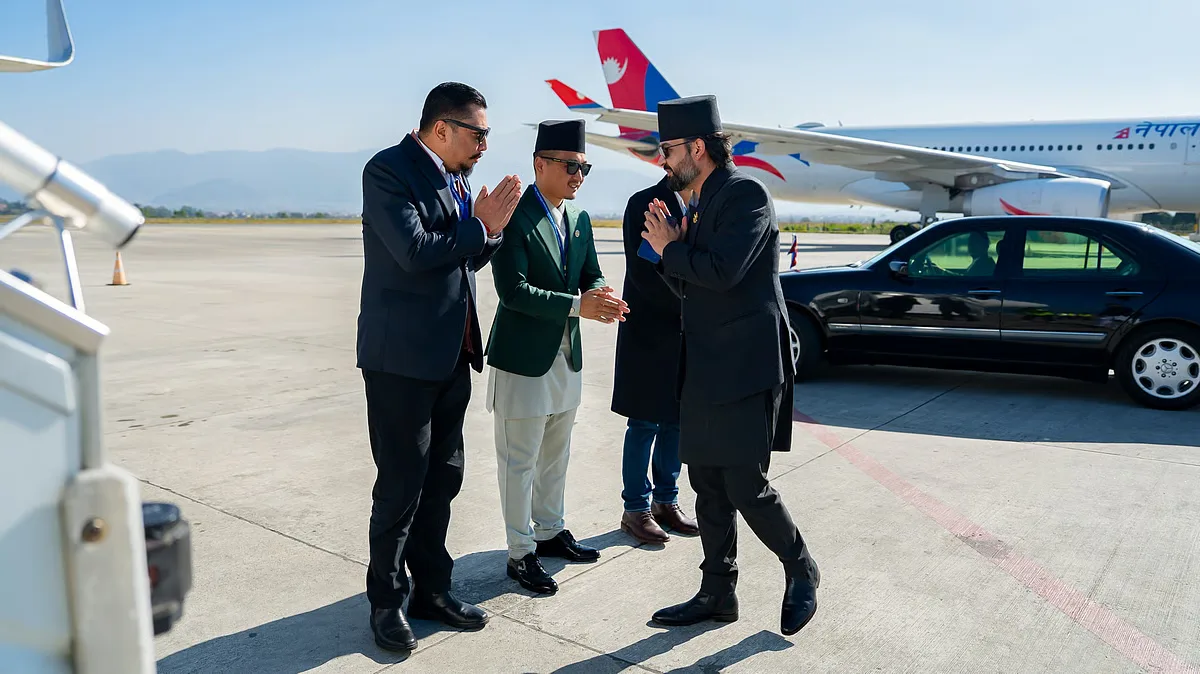
PM Modi and Nepal's PM Shah will hold talks on November 23.
The agenda includes energy cooperation and infrastructure development.
India remains Nepal's largest trade and investment partner.
On November 23, Prime Minister Narendra Modi will engage in discussions with his Nepalese counterpart, Balendra Shah, aimed at bolstering bilateral cooperation in key sectors such as energy, hydropower, railways, connectivity, and infrastructure. This meeting marks Shah's first official visit to India since he assumed office in March, highlighting the significance of the dialogue in enhancing diplomatic relations between the two nations.
Shah's two-day visit to New Delhi commenced on Sunday, and it is anticipated that the talks will set a political framework for a substantial expansion of bilateral ties in the upcoming years. Following their discussions, both leaders are expected to inaugurate several projects virtually, which will further solidify their collaborative efforts. Reports suggest that a series of progressive bilateral agreements across various sectors are likely to be finalized during this visit.
The timing of this meeting is particularly crucial, as both countries share aligned national priorities concerning economic growth, social development, and infrastructure enhancement. Key outcomes from the discussions are expected to focus on expanding cooperation in energy and connectivity, including the exploration of new railway links such as the proposed Raxaul-Kathmandu route. Additionally, a new passenger train service connecting Ayodhya and Janakpur Dham is set to commence, enhancing cultural and economic ties.
India plays a vital role in Nepal's economy, being the largest trade partner and the primary destination for Nepalese exports, accounting for approximately 80% of the country's goods. The bilateral relationship is further strengthened through significant foreign investment, with India contributing nearly one-third of Nepal's total foreign direct investment. This comprehensive partnership has fostered numerous ongoing projects that benefit both nations.
Looking ahead, the two leaders are expected to discuss strategies to deepen economic engagement and address pressing issues such as climate change and natural disasters. The historical context of their relationship, often described as a 'Roti Beti' bond, underscores the importance of Nepal to India's strategic interests in the region, especially given Nepal's reliance on India for essential goods and services. Despite recent tensions regarding border disputes, both countries are committed to maintaining a constructive dialogue to resolve differences and enhance cooperation.