GST Council Eliminates Arrest Powers of Tax Officers
In a significant reform, the GST Council has abolished the arrest powers of tax officers and raised the prosecution threshold.

Arrest powers of GST officers have been removed, effective April 1, 2027.
The threshold for prosecution has increased from Rs 1 crore to Rs 5 crore.
Notices for amounts below Rs 10,000 will not be issued, and pending notices will be withdrawn.
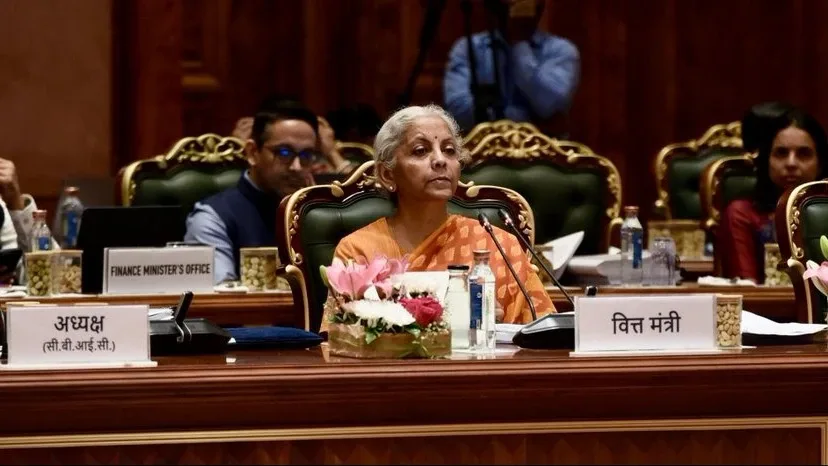
In a landmark decision, the GST Council, led by Finance Minister Nirmala Sitharaman, has voted to abolish the arrest powers of tax officers. This reform, which aims to ease the compliance burden on taxpayers, will take effect from April 1, 2027. The Council also raised the threshold for initiating prosecution from Rs 1 crore to Rs 5 crore, marking a significant shift in tax enforcement policy.
The decision to eliminate minimum punishments means that penalties, whether fines or imprisonment, will now be determined by the judiciary on a case-by-case basis. Additionally, the general penalty for violations without specific penalties has been reduced from Rs 25,000 to Rs 10,000, according to the Ministry's announcement. This move is expected to alleviate concerns from businesses across India that have long criticized stringent tax enforcement practices.
During the press conference following the meeting, Minister Sitharaman emphasized that while arrest powers have been removed, criminal prosecution under GST law remains intact for cases involving criminality. She stated, "When we say arrest has been taken out, taken out from a tax officer's hands," clarifying the intent behind the reform.
In a further effort to ease taxpayer burdens, the Council has recommended that tax notices for amounts below Rs 10,000 should not be issued. Furthermore, any pending notices that fall below this threshold will also be withdrawn, which is expected to provide additional relief to small taxpayers. Sitharaman confirmed that these changes are part of a broader strategy to enhance the ease of doing business in India.
Looking ahead, the implementation of these reforms is set for April 2027, and they are anticipated to significantly reshape the landscape of tax compliance in India. The GST Council's focus on process-related reforms rather than changes to GST rates indicates a commitment to improving the overall business environment in the country, while still maintaining necessary legal frameworks for tax enforcement.