Delimitation Restructuring in Jammu and Kashmir Sparks National Security Concerns
The recent delimitation process in Jammu and Kashmir raises critical questions about political representation and national security implications.
The delimitation of constituencies in Jammu and Kashmir has significant strategic implications beyond electoral representation.
Critics argue that the restructuring may consolidate Hindu political power in Jammu, benefiting the BJP.
Geographical challenges complicate the practicality of the new constituency arrangements, affecting voter engagement and representation.
The recent delimitation initiative in Jammu and Kashmir has ignited a debate over its implications for national security and political representation. As Parliament revisits constituency boundaries, the changes made in the Anantnag and Jammu-Poonch Lok Sabha constituencies have drawn attention for their potential to reshape the region's political landscape. This restructuring, which involved detaching Rajouri and Poonch from Jammu-Poonch and merging them with Anantnag, is not merely a technical adjustment but one that could have far-reaching consequences for regional dynamics and security considerations.
Historically, delimitation in India has been framed around the principles of equal representation and demographic changes. However, in sensitive regions like Jammu and Kashmir, these changes can lead to significant shifts in political geography. The recent restructuring has raised concerns about the consolidation of Hindu political representation in Jammu, with the BJP positioned as a likely beneficiary. This perception of bias has prompted calls for a more thorough examination of the delimitation process, particularly in a region where political sensitivities are heightened.
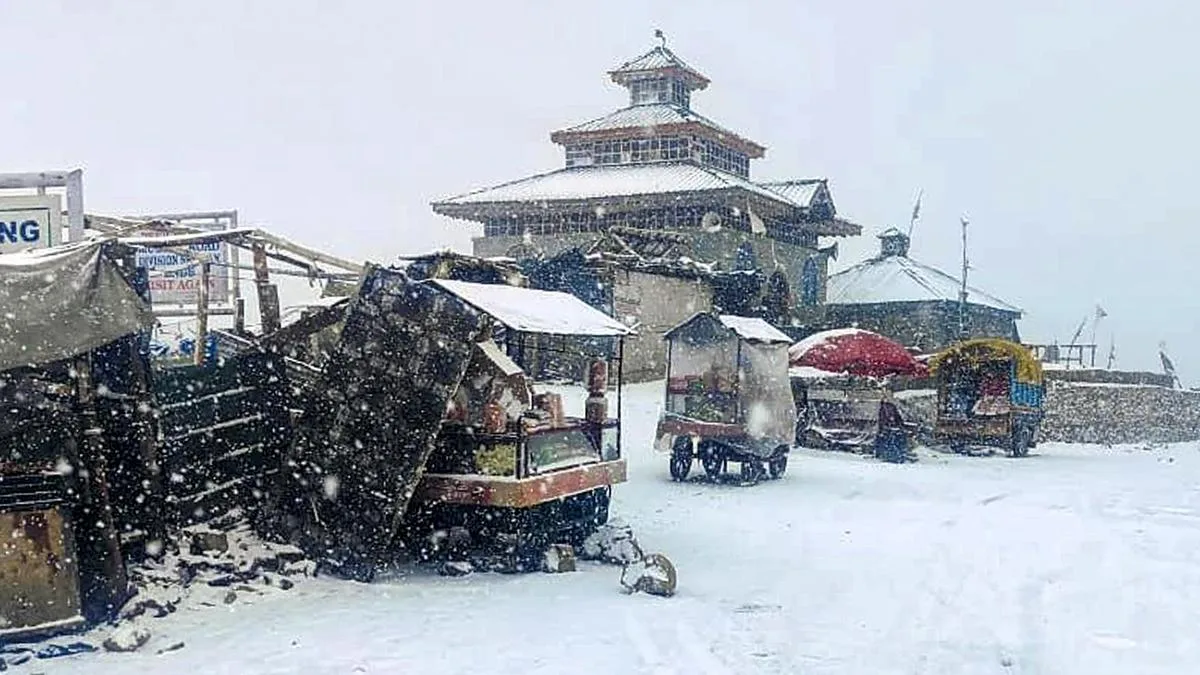
Critics of the delimitation argue that it fails to consider the geographical realities of the region. The newly configured constituency faces significant logistical challenges, as the two parts are separated by the Pir Panjal mountain range, which lacks reliable year-round connectivity. The closure of the Mughal Road, the primary route linking these areas, exacerbates the difficulties voters face in accessing their representatives. This raises fundamental questions about the effectiveness of the delimitation exercise, as it may hinder elected officials' ability to engage with constituents and address their needs.
The implications of this delimitation process extend beyond administrative concerns; they touch upon the broader socio-political fabric of the region. As the 2024 Lok Sabha elections approach, the controversy surrounding the Mughal Road's accessibility has highlighted the practical challenges of campaigning across the newly drawn boundaries. Political parties have expressed concerns about the feasibility of conducting elections in such a divided constituency, prompting some to seek postponements from the Election Commission.
Looking ahead, the ongoing discussions surrounding delimitation in Jammu and Kashmir will likely continue to evolve. The need for a careful reassessment of the implications for political representation, community relations, and national security is paramount. As the region navigates these complex changes, the outcomes will have lasting effects on its political landscape and the security environment in India as a whole.