Eisenkot and Netanyahu's Coalition Talks Stalled Ahead of Deadline
Negotiations for a unity government in Israel face significant hurdles as Gadi Eisenkot and Benjamin Netanyahu struggle to reach an agreement.
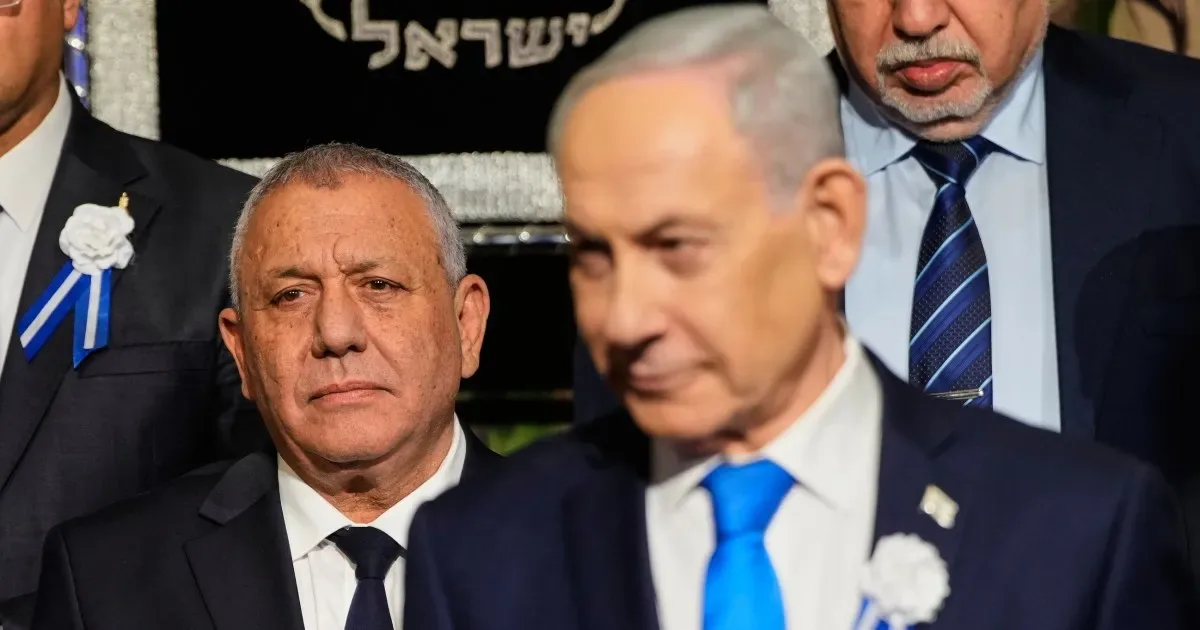
Coalition talks between Eisenkot and Netanyahu have stalled without a conclusive deal.
Eisenkot has accused Likud of refusing to compromise, risking new elections.
The deadline to form a government is December 6, with potential consequences for Israeli politics.
Negotiations aimed at forming a unity government in Israel have hit a standstill, with Gadi Eisenkot of the centrist Yashar party and caretaker Prime Minister Benjamin Netanyahu's Likud party failing to reach an agreement. The discussions, which began following the inconclusive October elections, ended without a decisive outcome, prompting both parties to announce plans for a follow-up meeting soon.
The backdrop to these stalled talks is the October 27 general election, which resulted in no party securing a majority in the Knesset. Eisenkot's coalition, which includes several parties, garnered 48 seats, while Netanyahu's alliance secured 53. Israeli President Isaac Herzog has tasked Eisenkot with forming a government by December 6, a deadline that can be extended by two weeks. To successfully establish a government, a coalition must command at least 61 seats in the 120-member Knesset.
Eisenkot's coalition strategy has faced challenges, particularly his refusal to include Arab-led parties, which would have provided him with a stronger majority. Instead, he has focused on securing alliances with right-wing parties, including Netanyahu's Likud, which is demanding a rotation agreement that Eisenkot has resisted. Recently, Eisenkot announced a coalition pact with the Yisrael Beiteinu party, marking a small step forward in his efforts to build a government.
The implications of these stalled negotiations extend beyond the immediate political landscape. If Eisenkot fails to form a government by the deadline, President Herzog may appoint another Knesset member to attempt to form a government, potentially leading to another round of elections. Analysts suggest that if no agreement is reached, Eisenkot may have to choose between supporting Netanyahu or seeking alliances with Arab parties, which could further complicate the political situation.
As the December 6 deadline approaches, the pressure mounts on both Eisenkot and Netanyahu to find common ground. Eisenkot has expressed frustration over what he perceives as Likud's stalling tactics, warning that failure to negotiate seriously could lead to new elections and continued instability in Israeli governance. The coming weeks will be crucial in determining the future of Israel's political landscape.