Supreme Court Orders Lamp Lighting at Deepathoon Amid Security
A Supreme Court directive has led to heightened security at the Deepathoon site in Tamil Nadu for a ceremonial lamp lighting, igniting ongoing tensions.
The Supreme Court mandated a ceremonial lamp lighting at Deepathoon, a contested site in Tamil Nadu.
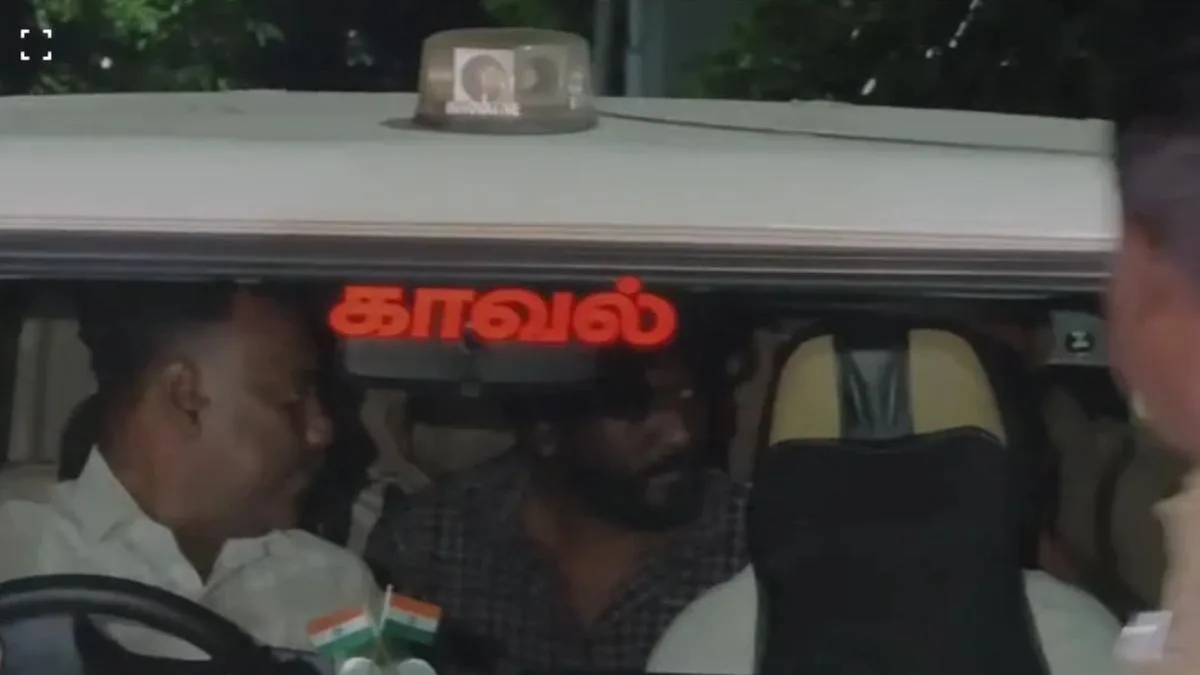
Security forces, including the CRPF, have been deployed to manage the event amid political and religious tensions.
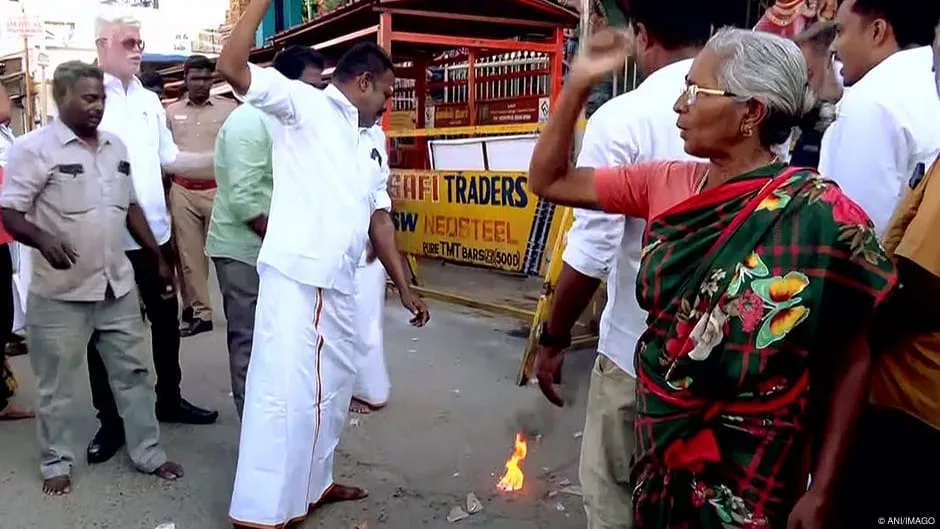
The Tamil Nadu government previously defied a court order regarding the ceremony, leading to protests from Hindu groups.
On November 28, 2026, the Supreme Court of India ordered the ceremonial lighting of a lamp at the Deepathoon stone pillar in Tamil Nadu, a site embroiled in legal and religious disputes. This directive came after the Tamil Nadu government and local officials failed to comply with an earlier court order issued on November 20, which allowed the ritual to take place. The Supreme Court's intervention aims to ensure that the ceremony proceeds as planned, amidst significant public interest and controversy.
The Deepathoon pillar is situated near the Uchi Pillaiyar temple and approximately 50 meters from the Hazrat Sultan Sikandar Badusha Auliya Dargah, a site significant to the Sufi community. Traditionally, the Karthigai Deepam festival, celebrated by Hindus, occurs at the Deepa Mandapam site near the Uchi Pillaiyar temple. However, Hindu groups have sought to shift the ceremony to the Deepathoon pillar, leading to a clash of religious sentiments and practices.
In response to the Supreme Court's ruling, the Central Reserve Police Force (CRPF) has been deployed to ensure security at the site during the lamp lighting ceremony. The court's order allows all devotees to participate in the lighting, contrasting with previous arrangements that limited attendance to a select group. This decision has heightened tensions, as the Tamil Nadu government had previously maintained that the traditional site for the ceremony should remain at the Deepa Mandapam.
The implications of this event extend beyond the immediate ceremony, reflecting broader societal divisions in Tamil Nadu. The ongoing disputes have drawn attention from various political and religious groups, with the ruling Bharatiya Janata Party (BJP) expressing dissatisfaction with the state government's handling of the situation. The court's involvement underscores the judiciary's role in mediating conflicts arising from religious practices in a diverse society.
Looking ahead, the ceremonial lamp lighting at Deepathoon is scheduled for today, with security measures in place to prevent any potential unrest. The event will be closely monitored, and further developments are expected as the situation unfolds. The Tamil Nadu government's response to the Supreme Court's directive and the public's reaction will likely shape future discussions regarding religious practices and state governance in the region.