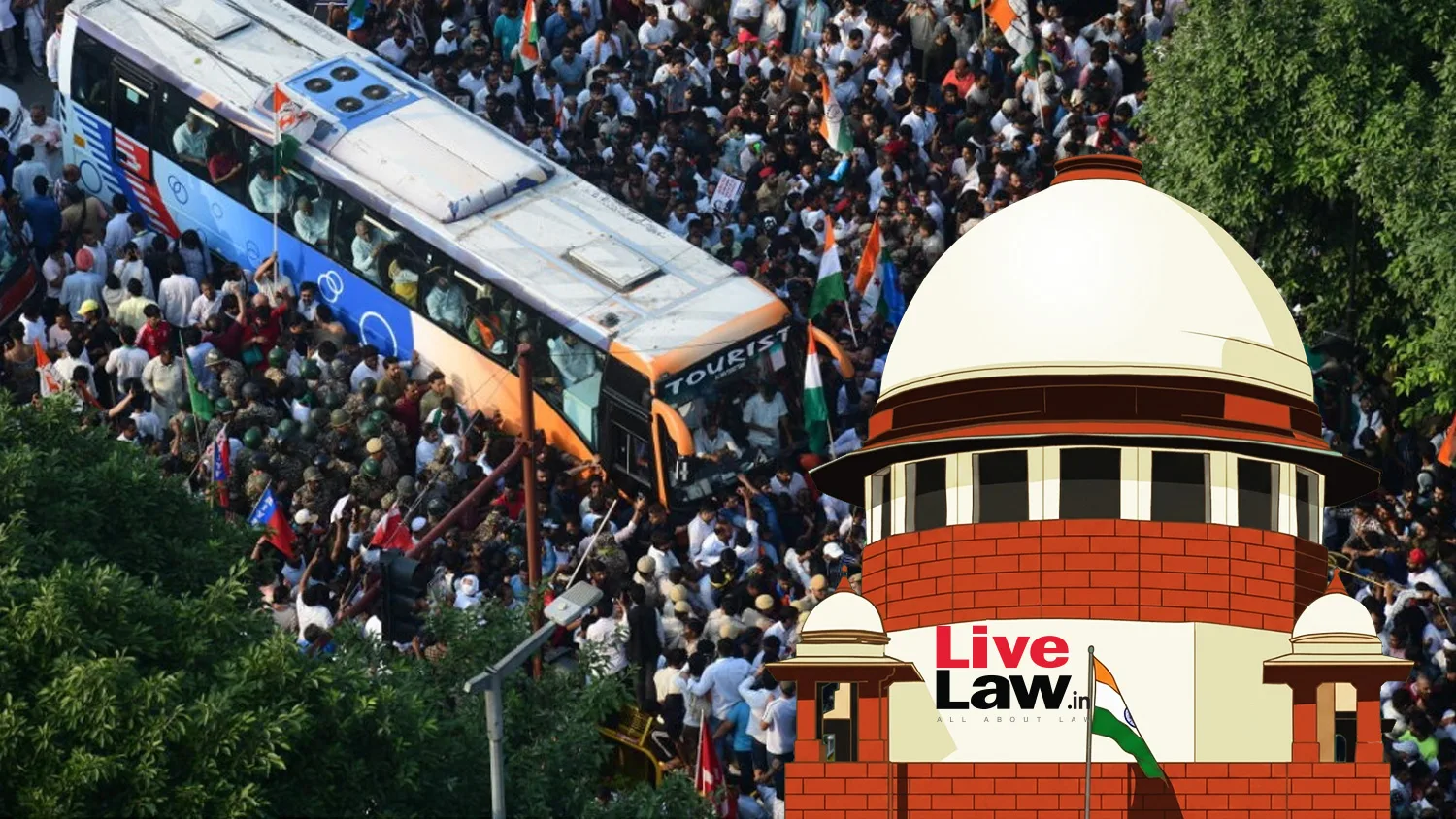
Delhi Police Defends October 10 Detentions in Supreme Court
Delhi Police Commissioner Anurag Kumar informs the Supreme Court about the rationale behind the preventive detentions during protests on October 10.
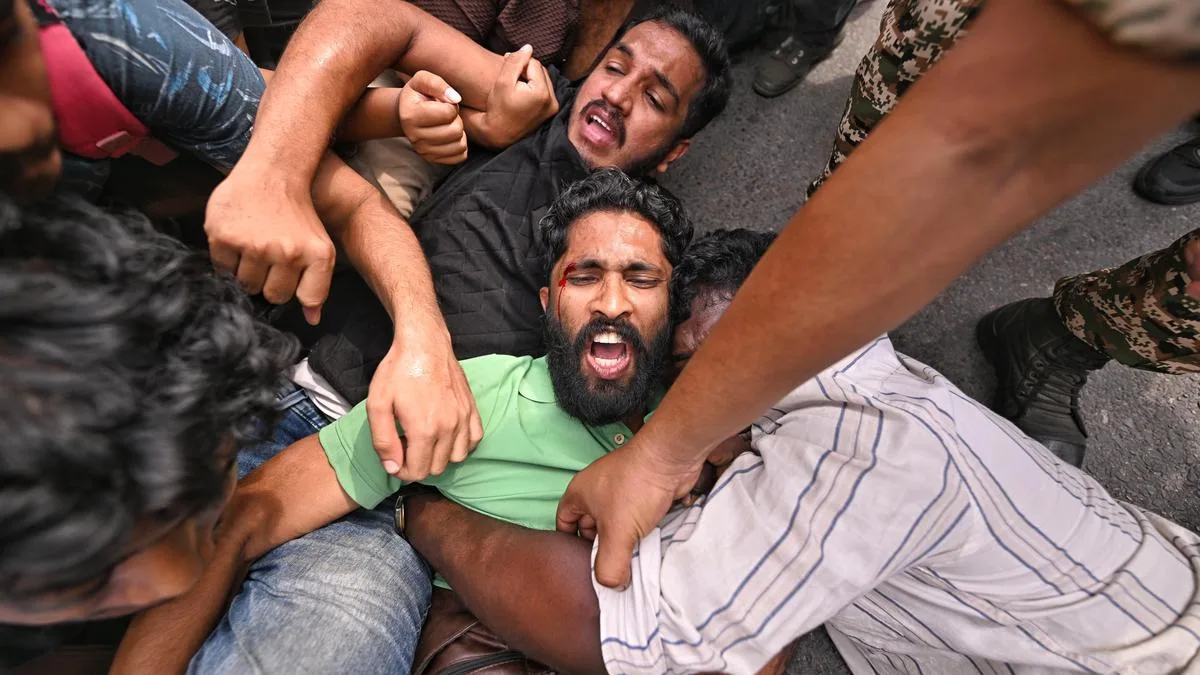
Detainees were provided meals and confined for a short duration.
Cellular internet was suspended only in a limited area, not entirely.
Police actions were justified as necessary for maintaining public order.
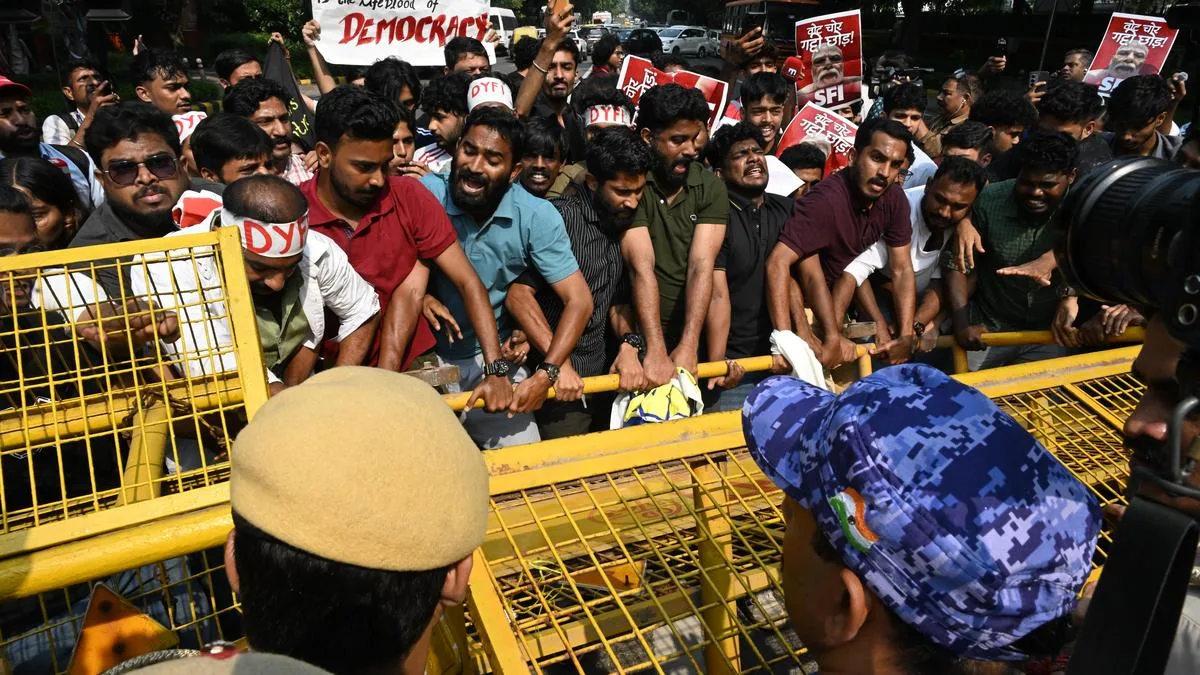
In a recent hearing at the Supreme Court, Delhi Police Commissioner Anurag Kumar explained the preventive measures taken during the protests on October 10, stating that they were based on intelligence and aimed at maintaining public order. Kumar clarified that the detainees were not held in jails but in temporary facilities, where they were provided with meals and allowed to leave once the situation had stabilized.
The police chief emphasized that only cellular internet services were suspended within a four-kilometer radius of Raisina Hill, asserting that this was a necessary step to prevent disturbances. Home Secretary Govind Mohan supported this claim, indicating that the suspension was a lawful and proportionate response to the situation at hand. Both officials expressed regret in response to a contempt notice from the court, asserting there was no intentional disregard for its directives.
Kumar's affidavit detailed the cancellation of numerous trains on October 10, with only those scheduled to depart after 2 p.m. on October 9 being affected. He noted that 41 trains were canceled, impacting travel for many passengers. The police justified their actions as essential to ensure peace in New Delhi, particularly given the city's proximity to vital institutions and the potential for unrest following previous protests.
The police chief highlighted that the protests leading up to October 10 had caused significant traffic disruptions, affecting ordinary citizens. He pointed out that the police had faced harassment during these protests, which contributed to their decision to implement preventive measures. Kumar reiterated that the police were acting within their legal rights to maintain order and prevent unlawful assemblies.
Looking ahead, the Supreme Court is set to hear multiple petitions challenging the police's actions during the protests. The court's upcoming decisions could have significant implications for how law enforcement manages public demonstrations in the future, particularly in sensitive areas of the capital.