COP31 Concludes Without Consensus: Key Issues Unresolved
The COP31 climate summit in Antalya ended without a binding agreement, leaving crucial topics like fossil fuels and adaptation finance unaddressed.
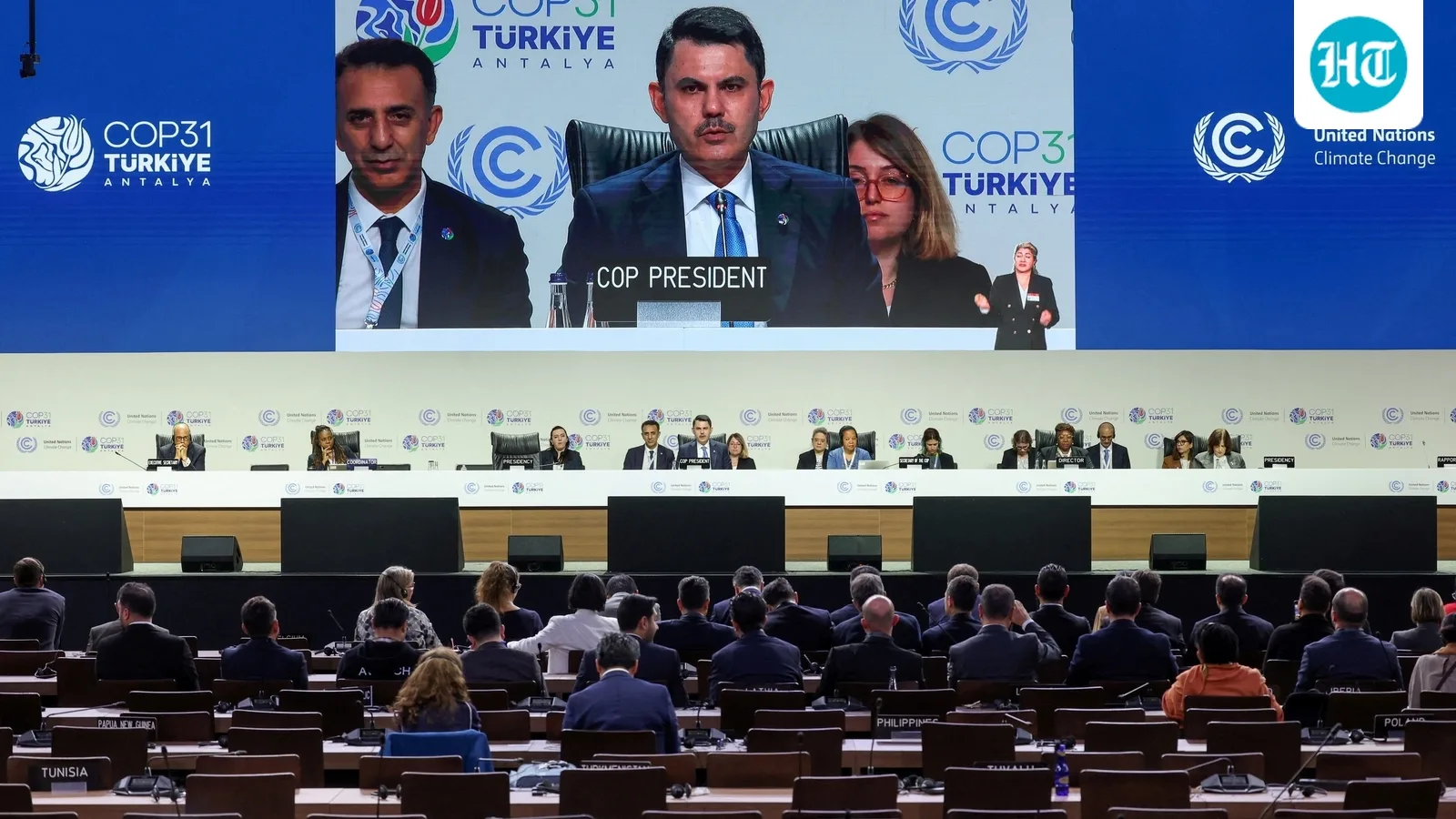
COP31 lasted over 44 hours beyond its scheduled end, marking a record delay.
The final draft failed to include critical references to fossil fuels and adaptation finance figures.
India and other developing nations expressed concerns over equity and the lack of commitment from developed countries.
The COP31 climate summit, held in Antalya, Turkey, concluded on Sunday without reaching a consensus on key climate issues, marking a significant setback for global climate negotiations. After an unprecedented 44 hours of overtime, the proposed Antalya Pact was rejected by several nations, including the European Union and the United Kingdom, primarily due to its omission of fossil fuel references and a specific financial commitment for adaptation efforts.
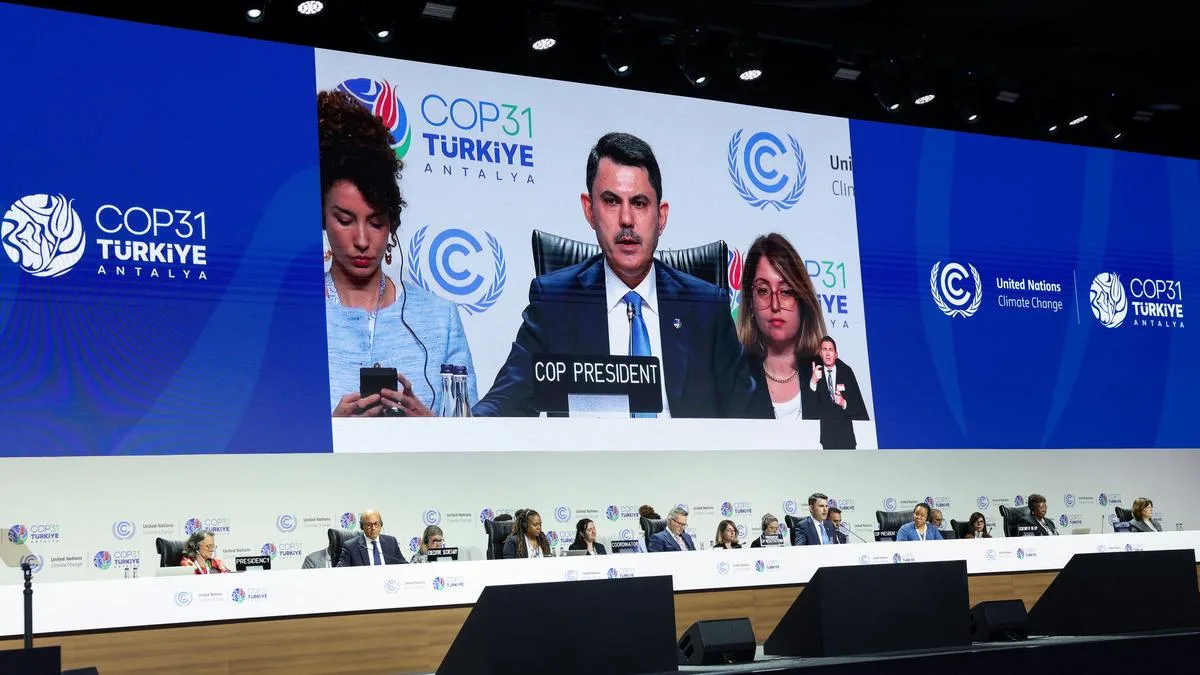
During the closing session, COP31 President Murat Kurum, who also serves as Turkey's environment minister, acknowledged the lack of agreement on the final text, stating, "We recognize that there is no consensus on this document. Therefore, these decisions have not been adopted." The summit featured two versions of a cover decision, one for all parties to the 1992 UN climate convention and another for the 2015 Paris Agreement, both of which were left unadopted, further complicating the climate action framework.
The discussions at COP31 highlighted significant disparities between developed and developing nations, particularly regarding financial commitments. Developing countries sought a clear figure for adaptation finance, which is essential for addressing the impacts of climate change, such as floods and droughts. While an earlier draft proposed $120 billion annually by 2035, this figure was ultimately excluded from the final text. Ghana's environment minister emphasized the frustration of developing nations, stating, "We didn't come here to beg."
The implications of COP31's outcome extend beyond the immediate failure to adopt the Antalya Pact. The absence of a clear commitment to phase out fossil fuels and the lack of financial support for adaptation efforts raise concerns about the global community's ability to effectively combat climate change. The unadopted text indicated that without significant action, the world is on track for a temperature increase of approximately 2.6°C, surpassing the critical 1.5°C threshold.
Looking ahead, countries will reconvene at the UN's mid-year climate talks in Bonn in June 2027, with COP32 scheduled for November 2027 in Addis Ababa, Ethiopia. The unresolved issues from COP31, particularly regarding equity and trust between nations, will need to be addressed to foster a more collaborative approach to climate action in the future.