Audi to Invest $4 Billion in New Georgia Factory
President Trump announces Audi's plans for a $4 billion assembly plant in Georgia, set to produce 200,000 SUVs annually.
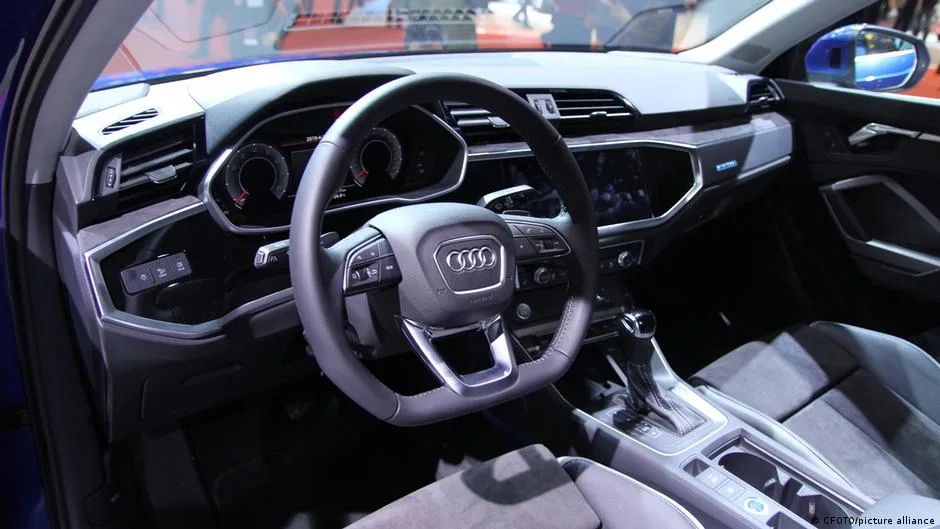
Audi's new factory in Georgia will create around 4,500 jobs.
The plant is expected to start production in the early 2030s.
Trump attributes the investment to his tariff policies aimed at boosting US manufacturing.
In a significant economic announcement, President Donald Trump revealed that Audi, the German automotive manufacturer, will establish a $4 billion assembly plant in Georgia. The announcement was made during a campaign rally in Perry, Georgia, on October 25, 2026. The facility is projected to produce 200,000 SUVs annually, marking a substantial investment in American manufacturing.
This development comes as part of Trump's ongoing efforts to encourage both foreign and domestic companies to relocate their production to the United States. His administration has implemented tariffs on car imports, which he claims have influenced Audi's decision to build the plant in Georgia. Last year, Audi faced a financial impact of approximately €1.2 billion ($1.4 billion) due to these tariffs, highlighting the administration's aggressive trade policies.
Audi, which is a subsidiary of Volkswagen, confirmed that construction of the new manufacturing facility is slated to commence next year, with production expected to begin in the early 2030s. The plant will focus on assembling popular SUV models, including the Audi Q7, Q8, and Q9. This investment is anticipated to create around 4,500 jobs, contributing to local economic growth in Georgia.
The announcement is strategically timed as the midterm elections approach, with Republicans facing potential challenges due to rising inflation and geopolitical tensions, particularly the ongoing conflict in Iran. Trump's push for manufacturing jobs is part of a broader strategy to galvanize support for Republican candidates in key battleground states.
Looking ahead, the establishment of Audi's factory in Georgia represents a pivotal moment for the state's economy and the automotive industry in the US. As construction begins next year, stakeholders will be closely monitoring the project's progress and its implications for the local job market and the broader manufacturing landscape in the country.