Trump Critiques France's Immigration Policies Amid Protests
During a rally in Georgia, Trump condemned France's immigration approach, linking it to ongoing protests over living costs.
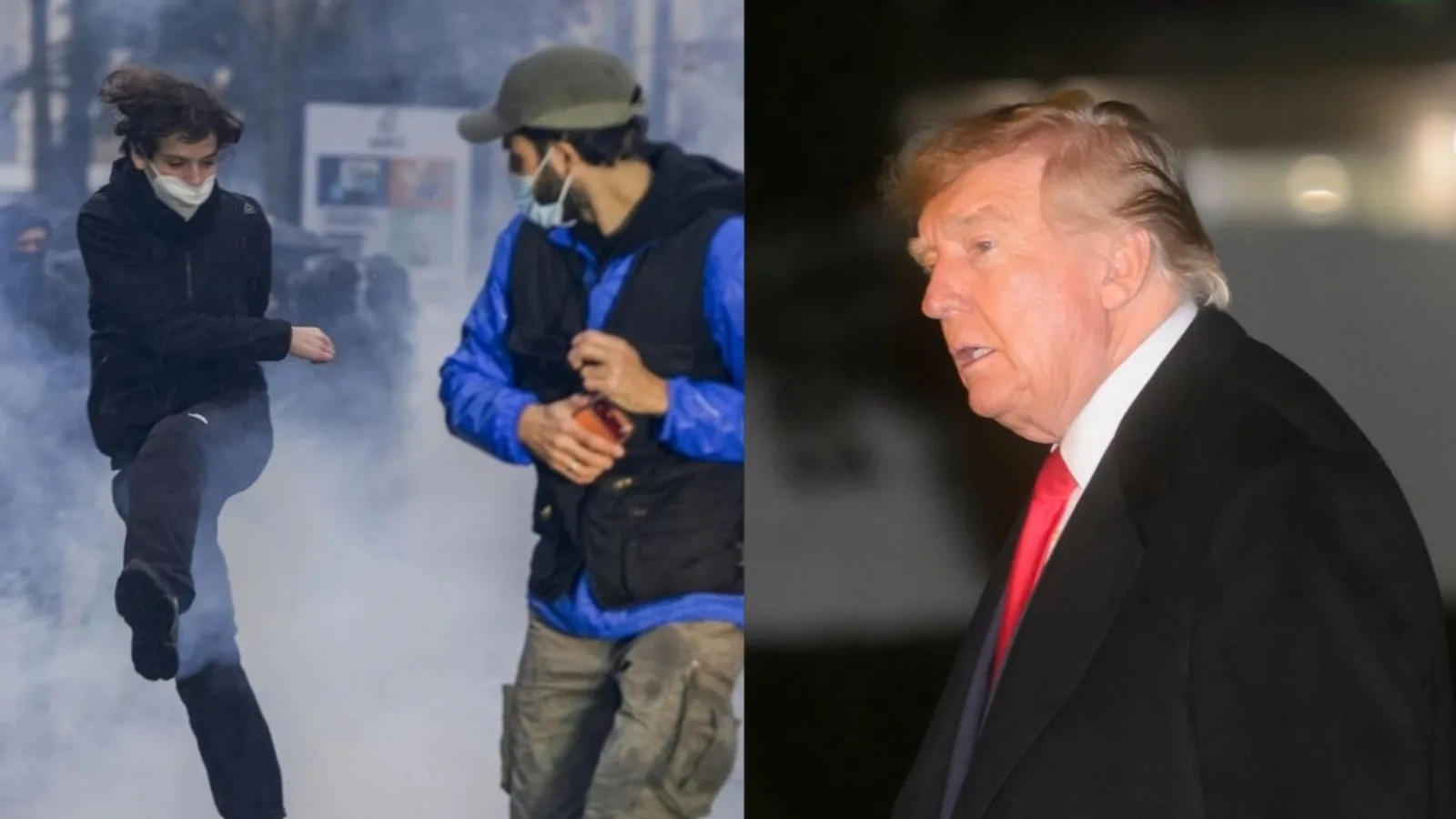
Trump claims France is 'burning down' due to open borders policies.
Protests in France are fueled by rising living costs and education funding issues.
The French government reported around 410,000 protesters, while organizers estimated nearly 800,000.
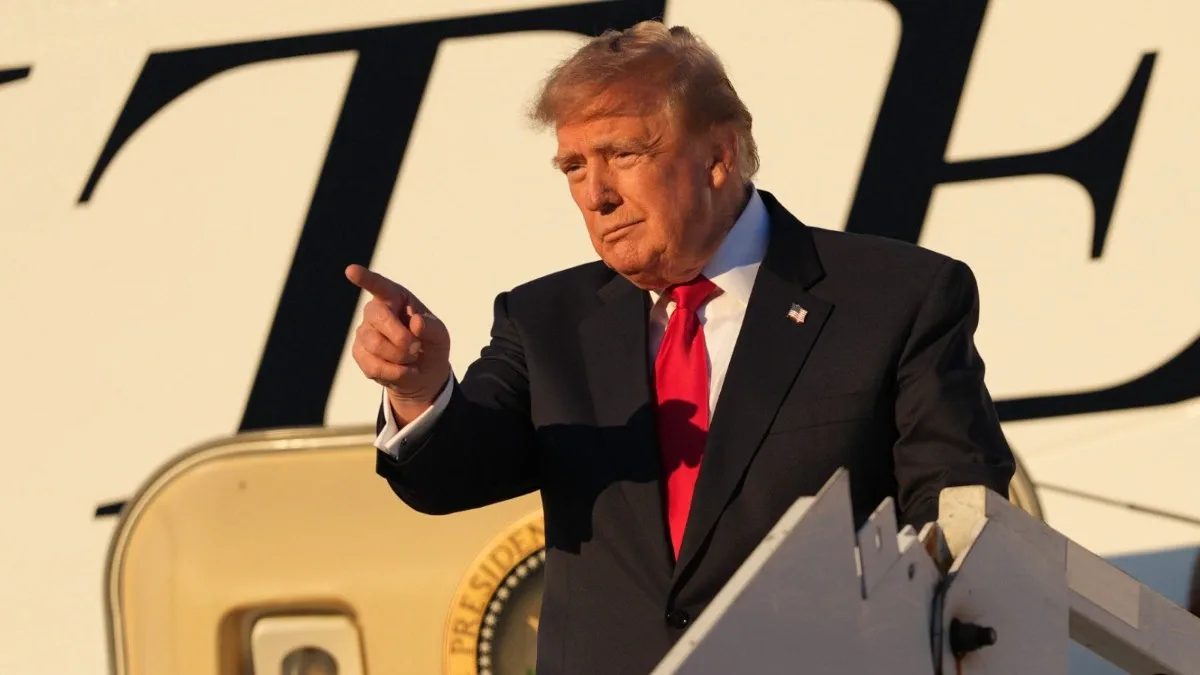
At a campaign rally in Perry, Georgia, on Saturday, former President Donald Trump criticized France's immigration policies, stating that the country is 'burning down' due to its open borders. He attributed the unrest in France to an influx of individuals who, according to him, harbor animosity towards the nation. Trump dismissed claims that the ongoing protests were related to educational funding, asserting instead that they stem from broader immigration issues.
Trump's remarks come as France grapples with widespread protests triggered by escalating living costs and insufficient educational funding. Demonstrations have erupted across major cities, leading to violent clashes between protesters and law enforcement. Initial gatherings were peaceful, but tensions escalated, particularly in Paris, where riot police were deployed to manage the crowds using tear gas and water cannons.
The former president drew parallels between the situation in France and U.S. immigration policies, emphasizing a strict approach to immigration. He criticized U.S. Senator Jon Ossoff for allegedly advocating for the importation of migrants whom Trump described as anti-American. He reiterated his administration's stance on immigration, highlighting the revocation of over 300,000 visas since his return to office and the freezing of certain Green Card applications.
The protests in France have seen significant participation, with the French government estimating around 410,000 demonstrators, while organizers claim the number is closer to 800,000. The unrest has spread to various cities, including Lyon, Lille, and Marseille, resulting in over 100 arrests as authorities work to maintain order amidst the chaos.
Looking ahead, the French government is likely to face continued pressure to address the underlying issues driving the protests, including economic disparities and educational funding. As the situation evolves, both domestic and international observers will be watching closely to see how these challenges are managed and whether they will influence broader immigration policies in France and the U.S.