57th GST Council Meeting Concludes with Major Reforms Set for April 2027
The GST Council has approved significant reforms aimed at simplifying compliance and enhancing efficiency, effective from April 1, 2027.
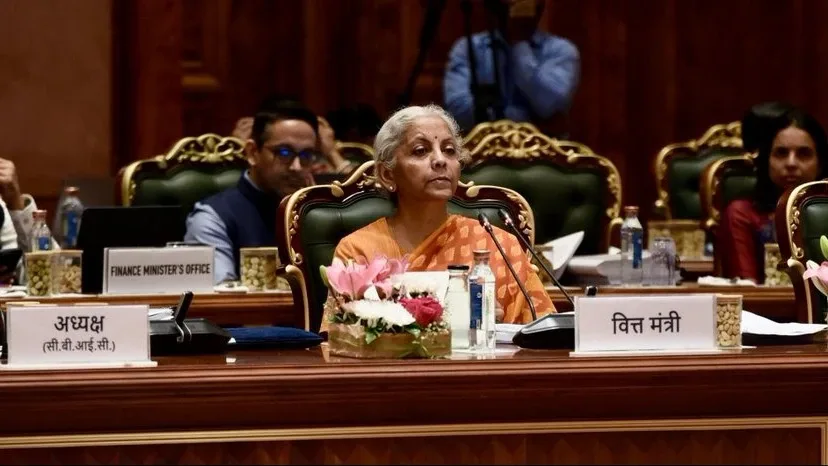
The GST Council will implement major reforms including simplified registration for small e-commerce sellers.
The threshold for prosecution has been raised from Rs 1 crore to Rs 5 crore, and arrest powers for GST officers have been removed.
Input Tax Credit (ITC) on health and life insurance for employees has been approved, benefiting MSMEs.
The 57th GST Council meeting, chaired by Union Finance Minister Nirmala Sitharaman, took place in New Delhi on October 8, 2023. This meeting marked a significant moment as it introduced a series of reforms aimed at improving GST compliance and operational efficiency, with changes set to take effect from April 1, 2027. The discussions focused on various proposals, including adjustments to the powers of GST officers, the prosecution threshold, and measures to ease compliance for small businesses and MSMEs.
Historically, the GST Council has been pivotal in shaping India's indirect tax framework. The previous meeting in September 2025 had already undertaken substantial rate rationalization. This latest meeting sought to build on that foundation by addressing compliance challenges faced by businesses, particularly in the wake of the pandemic. The emphasis on simplifying processes reflects a broader trend towards enhancing taxpayer trust and reducing bureaucratic hurdles.
Key proposals from the meeting included raising the prosecution threshold from Rs 1 crore to Rs 5 crore, effectively reducing the legal risks for smaller businesses. Additionally, the Council decided to eliminate the arrest powers of GST officers, a move aimed at alleviating enforcement concerns. The approval of Input Tax Credit (ITC) on employer-provided health and life insurance policies was also highlighted, which experts believe will significantly benefit MSMEs by lowering their operational costs.
The implications of these reforms are expected to be far-reaching. By easing compliance and expediting refunds, businesses, particularly in the real estate and hospitality sectors, could experience improved cash flow and operational efficiency. Experts suggest that these changes will not only support business growth but also enhance the overall economic landscape by fostering a more conducive environment for investment and expansion.
Looking ahead, the government plans to finalize a faceless GST administration framework, drawing from the successful implementation of similar measures in income tax. This initiative aims to further streamline GST processes and enhance transparency. As the reforms roll out, stakeholders will be closely monitoring their impact on compliance and the business environment, with further updates anticipated in the lead-up to the next Budget session.