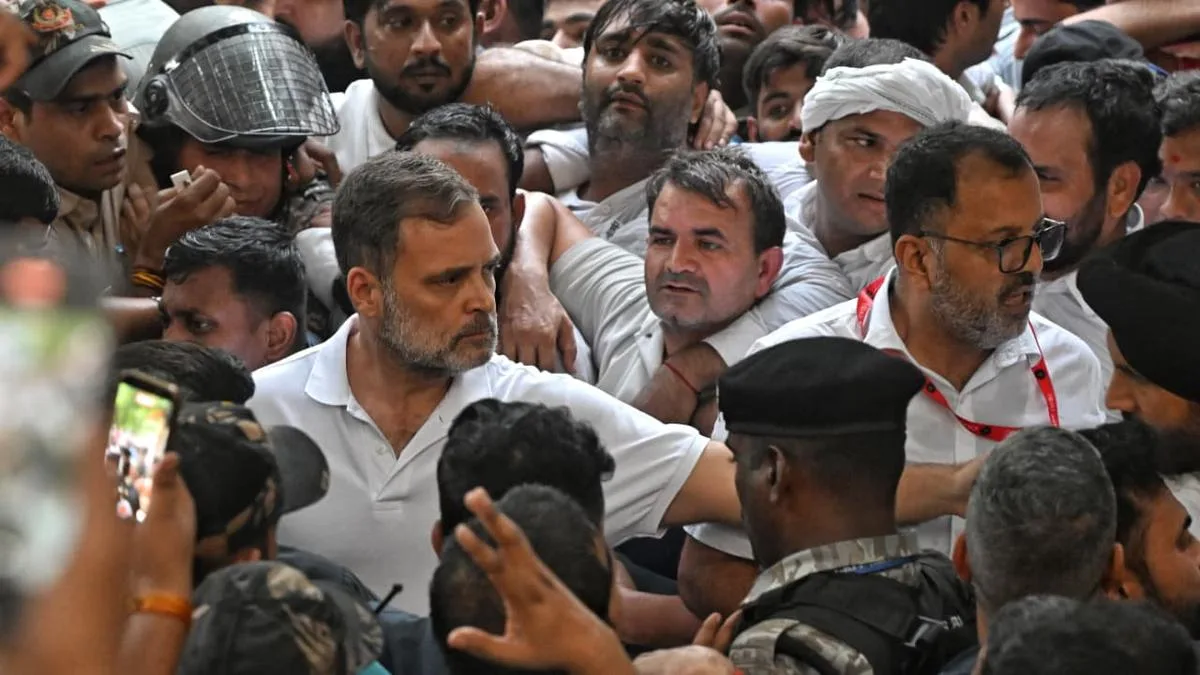
42 Former Judges Rally to Support Election Commission Amid Protests
In an open letter, 42 ex-judges defend India's electoral integrity, criticizing attacks on the Election Commission and urging public trust.
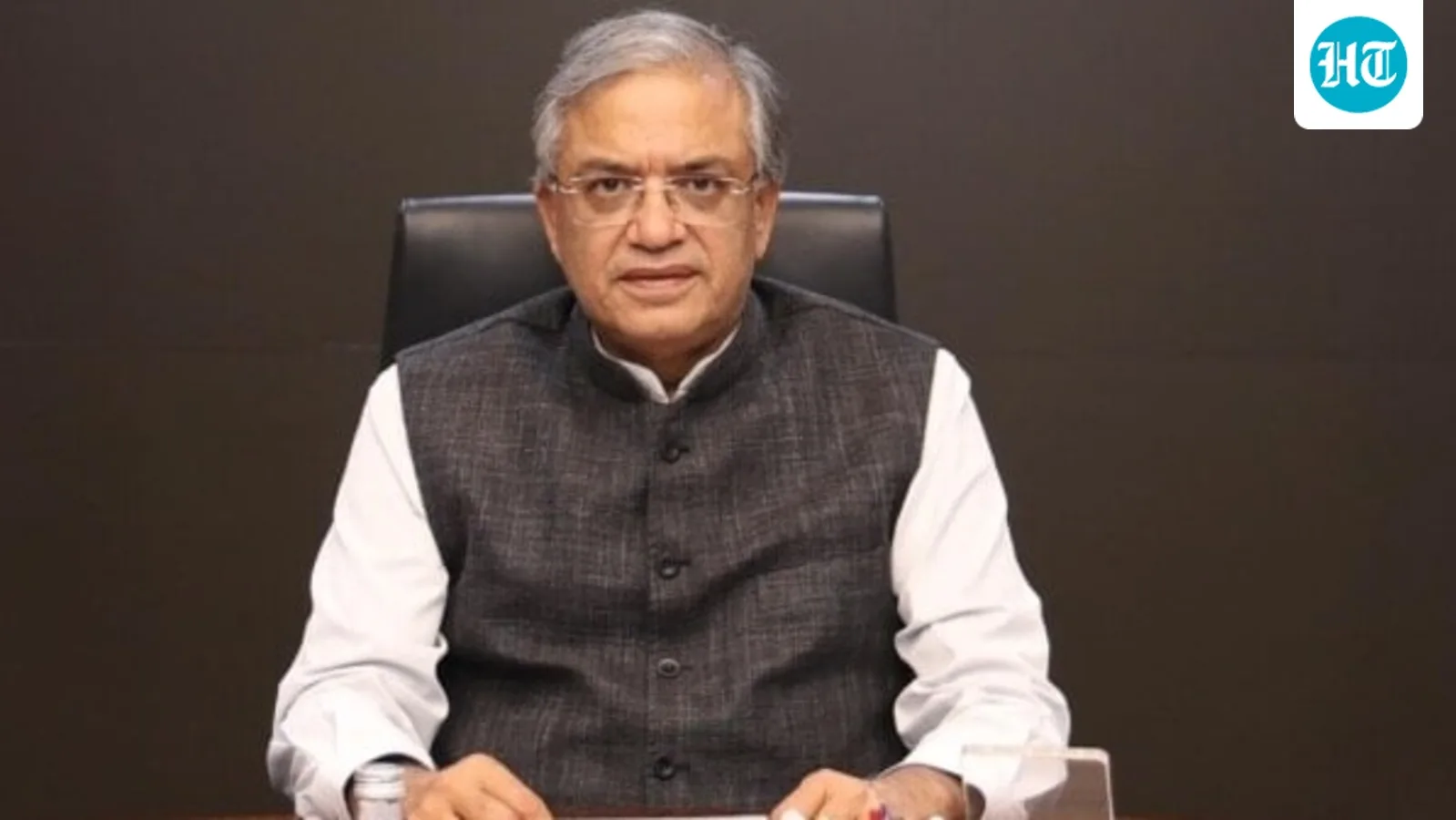
Former judges express concern over attacks on the Election Commission of India.
They defend the Special Intensive Revision (SIR) of electoral rolls as constitutional.
The letter warns that undermining trust in democracy could have serious consequences.
In a significant move, 42 former judges and retired officials have issued an open letter defending the integrity of the Election Commission of India (ECI) amidst rising protests against Chief Election Commissioner Gyanesh Kumar. The letter, which emphasizes that the signatories have no political affiliations, states that remaining silent in the face of ongoing attacks is no longer an option. They assert that the ECI is at the forefront of a sustained campaign aimed at discrediting constitutional institutions.
The context of this letter arises from recent allegations against the ECI, including claims of 'vote theft' and accusations labeling constitutional authorities as 'thieves' and 'puppets.' The former judges argue that such allegations lack evidence and undermine public trust in democratic institutions. They emphasize that while criticism of institutions is a democratic right, denigration is not acceptable. The letter highlights the importance of maintaining respect for the ECI and warns against the dangers of eroding public confidence in the electoral process.
The signatories specifically defend the Special Intensive Revision (SIR) of electoral rolls, which they describe as a necessary constitutional mandate to ensure accurate voter lists. They reference Section 21(3) of the Representation of the People Act, 1950, which empowers the ECI to revise electoral rolls at any time. The judges argue that previous revisions have been conducted without controversy and that the current SIR is essential for removing deceased voters and duplicate entries while adding eligible citizens.
The implications of this letter extend beyond the immediate context of the protests. The former judges warn that continuous claims suggesting that votes do not count could severely damage public faith in the electoral system. They stress that trust is crucial for democracy, stating, "When the ballot loses meaning, the street gains it." This statement underscores the potential for unrest if citizens feel disenfranchised.
Looking ahead, the former judges call for political parties, the media, and citizens to engage constructively in the electoral process. They urge political parties to contest elections without delegitimizing the process and encourage the media to refrain from amplifying unverified claims. The letter concludes with a reminder that constitutional institutions belong to the people of India, urging citizens to defend their democratic rights and remain vigilant against attempts to undermine the electoral process.