Tata Trusts Responds to Governance Complaints Amid Boardroom Dispute
The Sir Dorabji Tata Trust has submitted its response to the Maharashtra Charity Commissioner regarding trustee complaints.
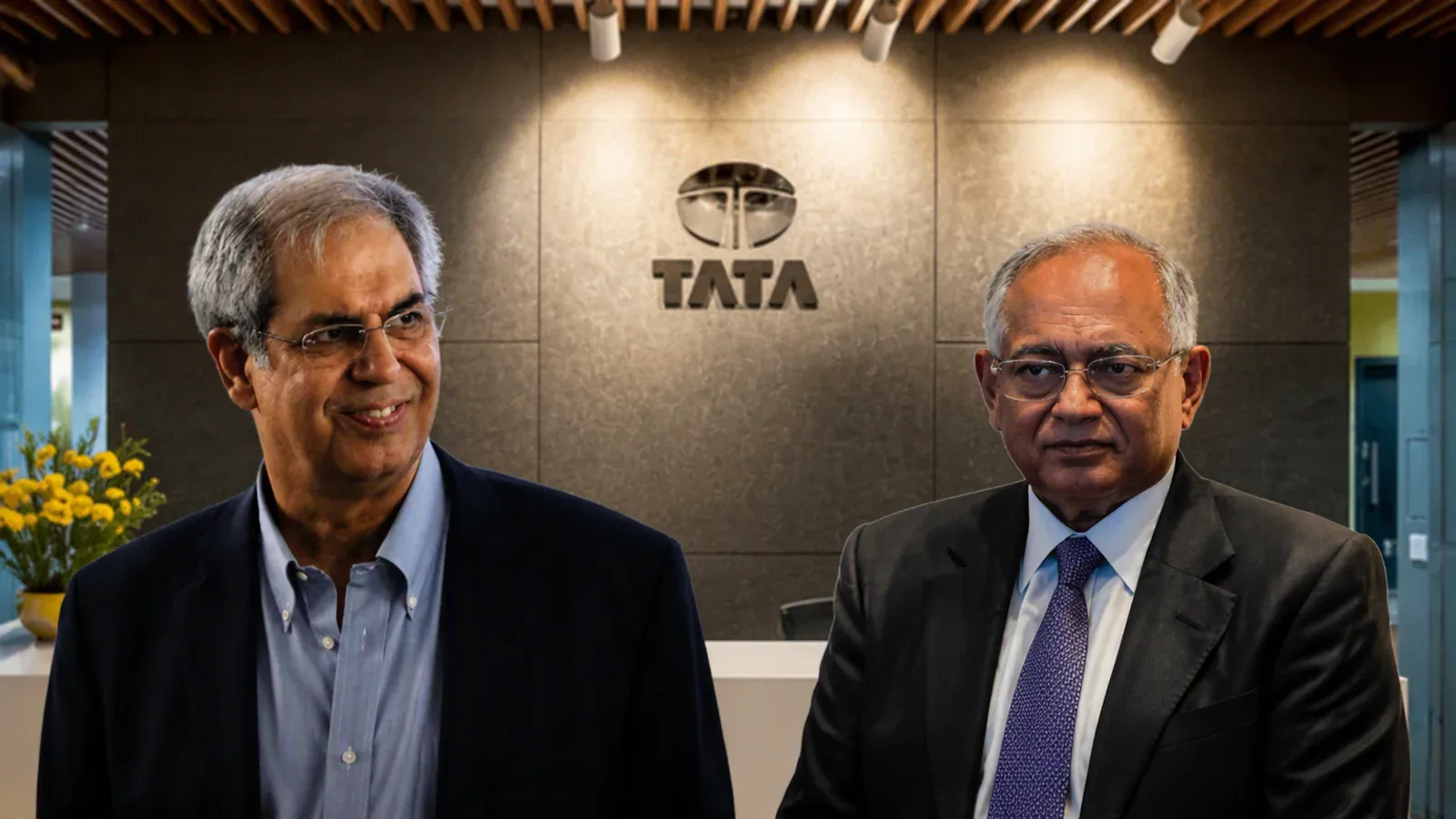
The Sir Dorabji Tata Trust submitted its response on October 19, addressing governance concerns raised by trustees.
Complaints focus on Noel Tata's role as a perpetual trustee and the trust's involvement in Tata Sons' business decisions.
The Charity Commissioner's decision will impact the governance structure of Tata Trusts and its influence over Tata Sons.
The ongoing dispute within Tata Trusts has escalated, with the Sir Dorabji Tata Trust (SDTT) recently submitting its response to the Maharashtra Charity Commissioner regarding complaints from two of its trustees. This development, which occurred on October 19, follows an extended deadline initially set for October 12, indicating the seriousness of the governance issues at play.
The complaints were lodged by trustees Venu Srinivasan and Vijay Singh, who expressed concerns about the administration of the trust and its leadership roles, particularly questioning Noel Tata's position as a perpetual trustee. They also raised issues regarding the appointment of Noel Tata's son, Neville Tata, as a trustee, suggesting that the decision-making process lacked transparency and alignment with the trust's charitable objectives.
The SDTT's response has not been publicly disclosed, but it is expected to guide the Charity Commissioner in determining the next steps in this governance dispute. The trustees' complaints highlight significant concerns about the trust's involvement in strategic decisions related to Tata Sons, including potential business listings and other corporate strategies, which may conflict with the trust's philanthropic mission.
The implications of the Charity Commissioner's ruling are substantial, as Tata Trusts hold considerable ownership stakes in Tata Sons, with SDTT owning nearly 28% and the Sir Ratan Tata Trust holding over 23%. Together, these trusts control more than half of Tata Sons, making any regulatory scrutiny of their governance critical for the future of the group’s business strategies.
Looking ahead, the Charity Commissioner will assess the submissions and complaints to decide on the appropriate course of action. The outcome of this dispute could reshape the governance dynamics within Tata Trusts and influence how they exercise their shareholder powers in Tata Sons, particularly regarding key leadership appointments and strategic decisions.