Supreme Court Questions Maharashtra's Voter Exclusion Ahead of Final List
The Supreme Court seeks responses regarding the alleged exclusion of 3 crore voters in Maharashtra as the final voter list publication approaches.

The Supreme Court has scheduled a hearing for November 5 regarding the exclusion of voters in Maharashtra.
A petition claims that around 3 crore voters have been disenfranchised during the ongoing SIR process.
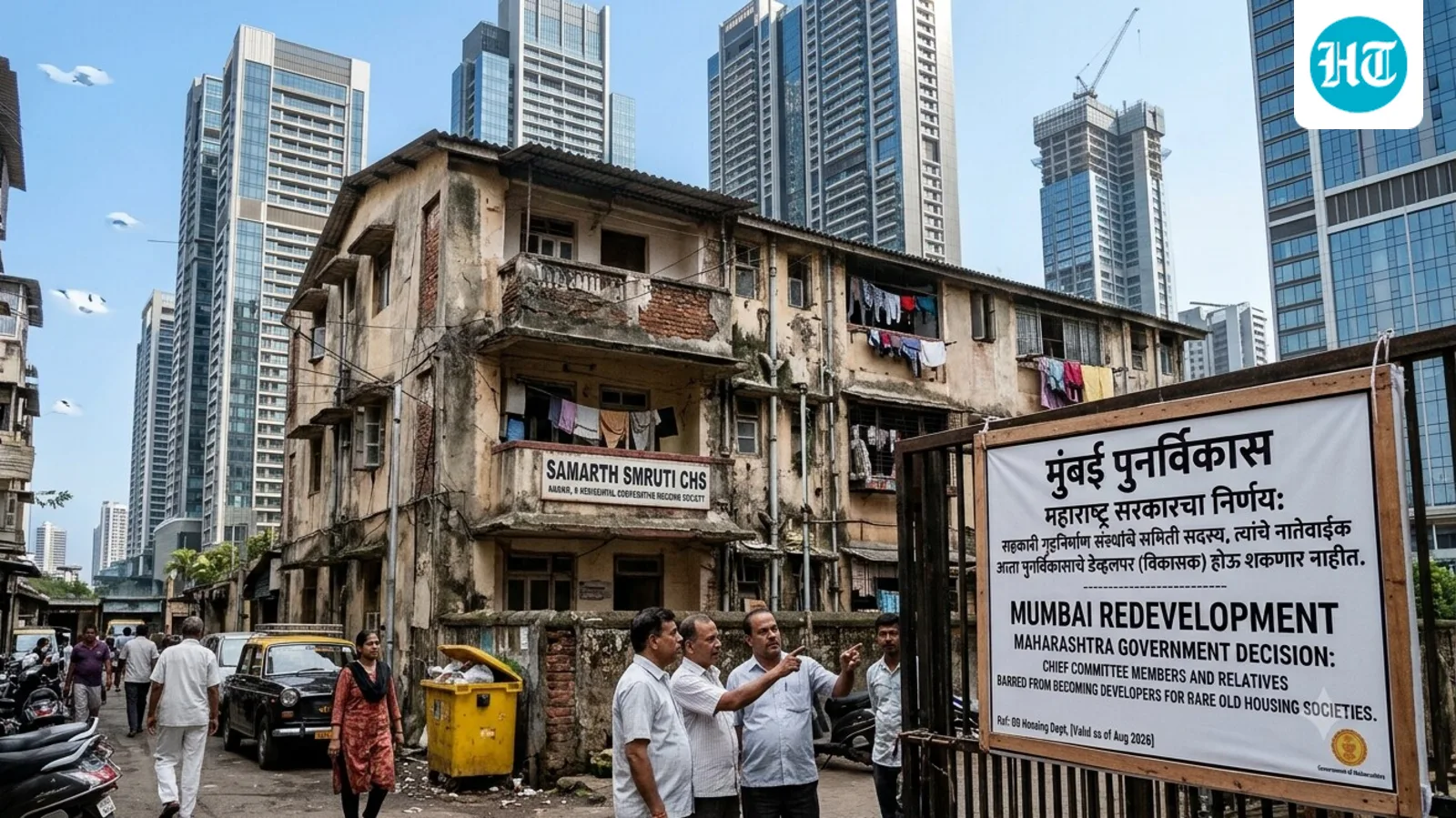
Concerns have been raised about the legality of the voter deletions amid ongoing redevelopment projects in major cities.
On Monday, the Supreme Court of India requested responses from the Election Commission, the central government, and the Maharashtra chief electoral officer concerning a petition alleging that approximately 3 crore voters have been excluded from the electoral rolls during the ongoing Special Information Report (SIR) process. The bench, led by Chief Justice Surya Kant, did not issue interim orders to prevent the Election Commission from releasing the final voter list scheduled for November 6, but has set a hearing for November 5, just a day prior to the list's publication.
The petition, filed by chartered accountant Arun Anandagiri, asserts that a significant portion of Maharashtra's electorate has been disenfranchised, with an additional 1.22 crore voters categorized under “logical discrepancies.” During the proceedings, the bench reassured senior advocate Arvind Datar, representing Anandagiri, that they would consider the arguments before making any decisions. Justice Kant indicated that deadlines for submitting eligibility documents could be extended if necessary, similar to adjustments made for SIRs in West Bengal and Bihar.
Anandagiri's petition challenges the mass deletions of voters, labeling them as illegal and unconstitutional. It highlights the impact of extensive redevelopment projects in Mumbai and Pune, which have displaced numerous families into temporary housing. Datar emphasized that many individuals affected by these projects have been erroneously marked as “not found” and subsequently removed from the voter rolls, despite their ongoing residency issues.
Furthermore, Datar criticized the Election Commission's request for these deleted voters to re-register using Form 6, arguing that this could lead to legal complications since the form requires applicants to declare they have never been on the rolls before. Justice Kant assured Datar that there would be no prosecution of deleted voters applying through Form 6, aligning with a recent observation from the Delhi High Court.
As the situation unfolds, the implications of these alleged disenfranchisements could resonate throughout Maharashtra, especially amid accusations from opposition parties that the ruling BJP is benefiting from these actions. The upcoming hearing on November 5 will be crucial in determining the future of the voter registration process in the state and addressing the concerns raised by the petitioners.