Maharashtra Bans Society Committee Members from Acting as Developers
New regulations in Maharashtra prevent housing society committee members and their relatives from participating as developers in redevelopment projects.
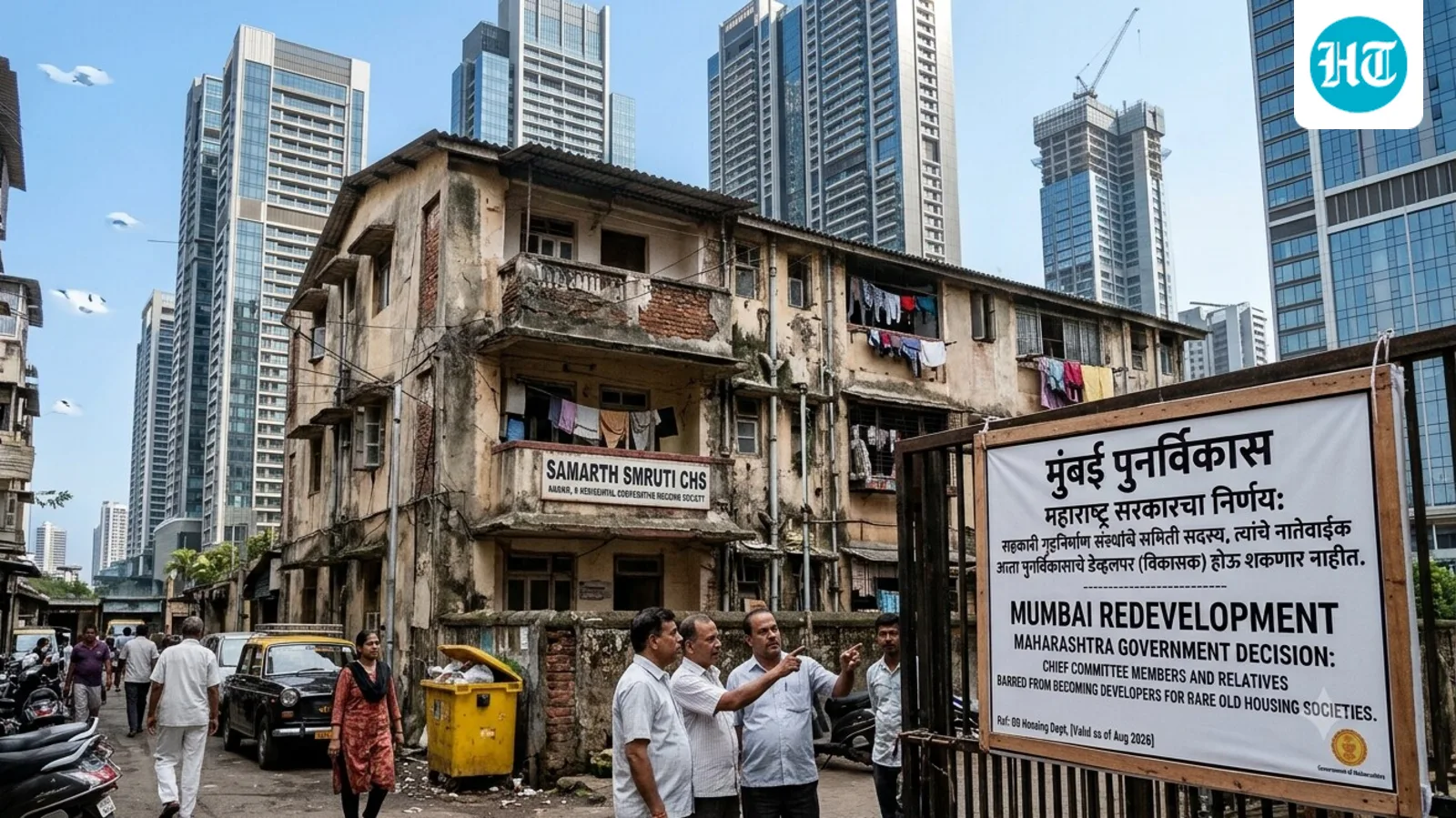
Maharashtra's new rules prohibit committee members and their relatives from being developers.
Redevelopment projects now require a two-thirds quorum and majority member approval.
Developers must complete projects within two years, extendable to three in exceptional cases.
In a significant policy shift, the Maharashtra government has enacted new regulations that bar members of housing society managing committees and their relatives from serving as developers for redevelopment projects. This decision, aimed at enhancing transparency and mitigating conflicts of interest, was formalized in a Government Resolution (GR) issued by the state's Cooperation Department on September 30, 2026.
The revised guidelines, rooted in Section 79A of the Maharashtra Cooperative Societies Act, stipulate that any committee member or office-bearer cannot take on the role of a developer. This measure is intended to safeguard the interests of society members and ensure that redevelopment processes are conducted fairly and without undue influence from those in power.
Under the new framework, any decision regarding redevelopment must achieve a two-thirds quorum and receive approval from at least 51% of the society's members. Additionally, the regulations allow for virtual participation in voting for members who are abroad, critically ill, or unable to attend in person, thereby promoting inclusivity in the decision-making process. Members supporting redevelopment are also required to provide written consent, reinforcing the need for clear communication and agreement.
The implications of these changes are significant for the real estate landscape in Maharashtra, particularly in Mumbai, where many housing societies are in dire need of redevelopment. The government has set a two-year deadline for completing these projects, with a provision for a maximum extension to three years in exceptional circumstances. This timeline is expected to provide a clearer framework for residents awaiting the completion of their new homes, addressing long-standing issues of delays and mismanagement in redevelopment efforts.
Looking ahead, the Maharashtra government is poised to monitor the implementation of these new rules closely. As housing societies begin to navigate these updated regulations, the focus will be on ensuring compliance and addressing any challenges that may arise in the redevelopment process. The government’s commitment to transparency and member participation is expected to reshape the future of cooperative housing in the state.