Maharashtra Proposes Repeal of Gramdan Act, Threatens Collective Land Ownership
The Maharashtra government plans to repeal the Gramdan Act, affecting 21 villages that rely on a collective land management system.
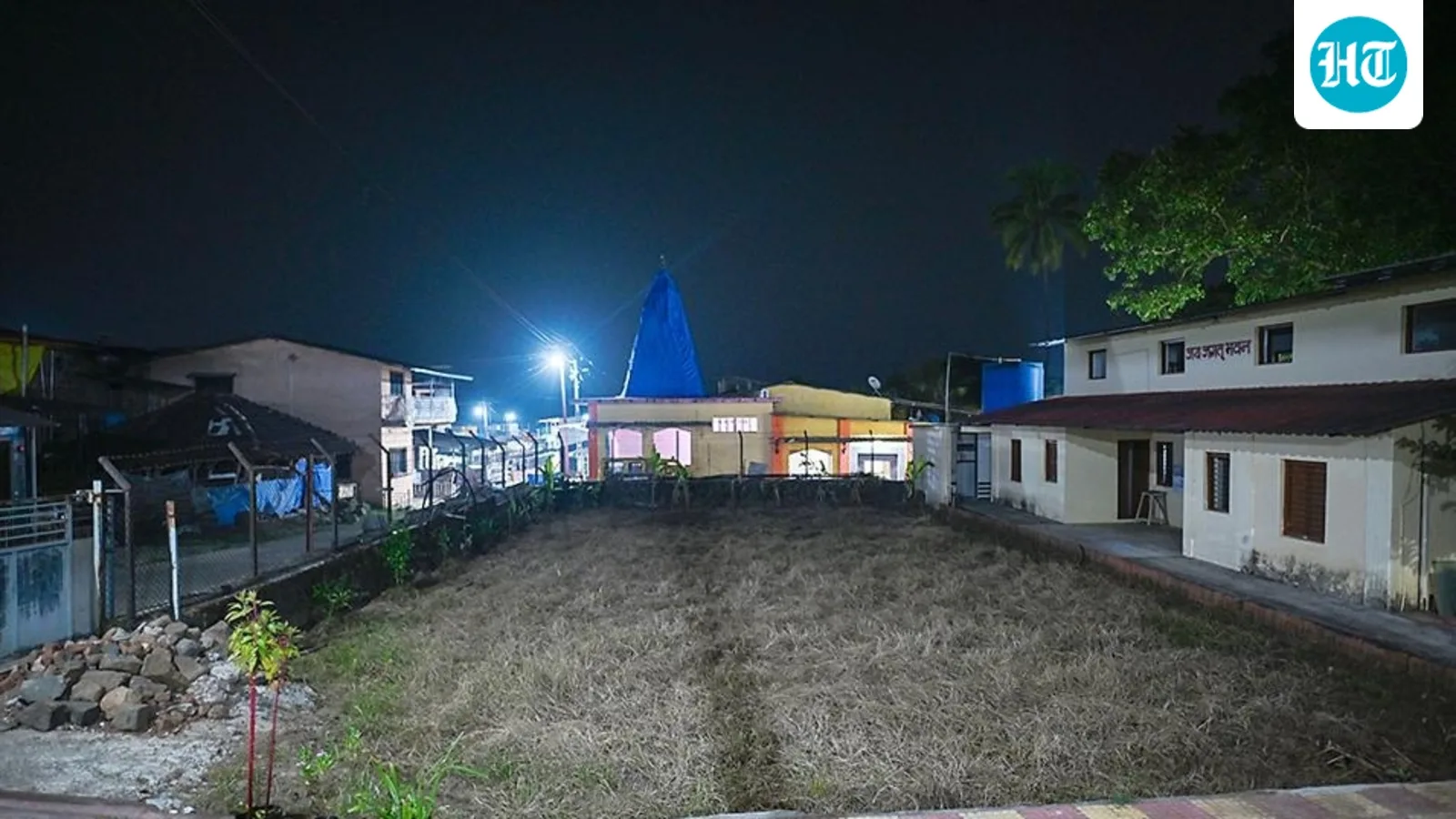
The repeal could shift governance from cooperative models to traditional panchayati raj systems.
Opponents argue this move may lead to land grabs and undermine social justice.
Supporters claim it will improve access to loans and government benefits for villagers.
In a significant policy shift, the Maharashtra government has proposed the repeal of the Gramdan Act of 1964, which currently governs 21 villages in the state under a collective land management system. This proposal, announced last month, has sparked widespread debate regarding the future of these villages, which have operated under principles inspired by Gandhian ideologies since the late 1950s.
The Gramdan movement, which evolved from the Bhoodan movement, aimed to encourage landowners to voluntarily donate portions of their land for the benefit of landless peasants. Currently, the 21 Gramdan villages, primarily located in Vidarbha, Kolhapur, and Konkan, are managed by cooperative mandals rather than traditional panchayats. However, the government argues that changing socio-economic conditions necessitate a transition to a more conventional governance structure, citing administrative challenges and the need to modernize outdated laws.
Under the proposed changes, land ownership would revert to original owners or their heirs based on historical records, while land allocated to landless individuals would be formalized under new tenure conditions. The draft notification specifies that lands donated for collective use would be returned to their original owners, raising concerns among activists about potential land grabs and the erosion of community welfare principles.
Critics of the repeal, including the Maharashtra Pradesh Sarvodaya Mandal, argue that dismantling the Gramdan system could jeopardize the social justice and welfare objectives it was designed to uphold. They emphasize that the collective ownership model has provided a safety net for vulnerable communities, and instead of repeal, amendments should be made to enhance its effectiveness. Activists are urging the government to engage with affected communities and conduct a thorough review of the Gramdan villages' status before proceeding with the repeal.
Looking ahead, if the Assembly passes the bill, it will fundamentally alter the landscape of land management in these villages. The government faces pressure to balance modernization with the preservation of community rights, as stakeholders from various backgrounds continue to voice their concerns over the implications of this proposed legislative change.