Raj Thackeray Critiques Maharashtra Government Over Audio Controversy
Raj Thackeray raises concerns about the alleged audio clip involving Maratha activist Manoj Jarange-Patil and criticizes government responses to drought.
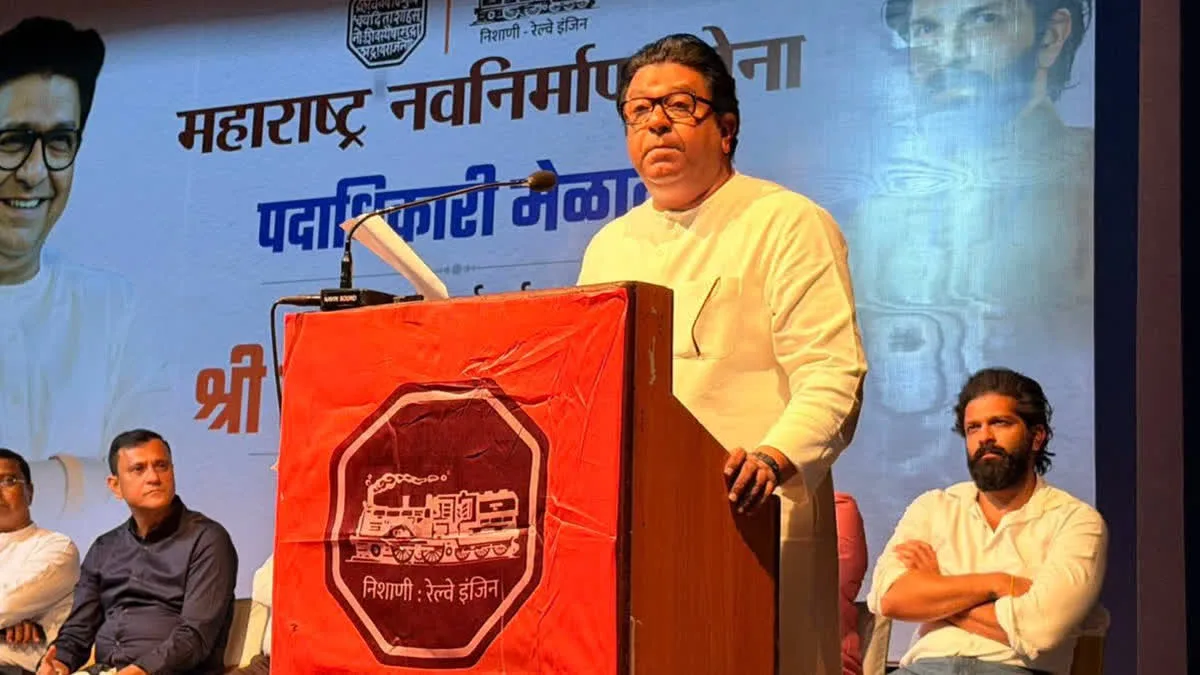
Thackeray questions the integrity of the audio clip related to Manoj Jarange-Patil.
He highlights the severe drought conditions in Maharashtra and inadequate government aid.
Thackeray plans to visit drought-affected areas post-Diwali to assess the situation.
In a recent press conference, Raj Thackeray, the leader of the Maharashtra Navnirman Sena (MNS), expressed strong criticism of the state government regarding an alleged audio clip controversy involving Maratha reservation activist Manoj Jarange-Patil. Thackeray accused the ruling party of attempting to discredit Jarange by initially bringing him close to power before orchestrating a campaign to damage his reputation and create rifts among his supporters.
Thackeray's allegations extend to claims of media manipulation, asserting that journalists faced pressure related to the audio controversy. He emphasized that the issue transcends mere media coverage, suggesting a deliberate effort to shape public perception against Jarange. He indicated that his party is aware of the individuals involved in the audio clip, hinting at deeper political ramifications.
Amidst these political concerns, Thackeray also addressed the escalating drought crisis in Maharashtra. He criticized the government's financial assistance of Rs 5,000, arguing that such measures are insufficient to tackle the severe conditions faced by the Marathwada region. He warned that without proper management of water resources, the area could face dire consequences, including desertification.
Thackeray highlighted various issues contributing to the water crisis, including illegal borewell drilling and the unauthorized extraction of groundwater. He announced plans to visit drought-affected areas after Diwali, aiming to engage directly with farmers and understand their challenges. His visit, scheduled for mid-November, will focus on assessing the effectiveness of government relief measures and ensuring that farmers have access to essential water supplies.
Looking ahead, Thackeray cautioned that the water crisis could lead to significant migration from rural areas to cities, as severe shortages may compel residents to leave their homes. He underscored the potential for food shortages and the critical need for adequate water and fodder for livestock in drought-stricken regions, emphasizing the urgency of addressing these pressing issues.