Maharashtra Shops and Establishments Act Amendments of 2025
The Maharashtra government has updated the Shops and Establishments Act, enhancing compliance flexibility for businesses.
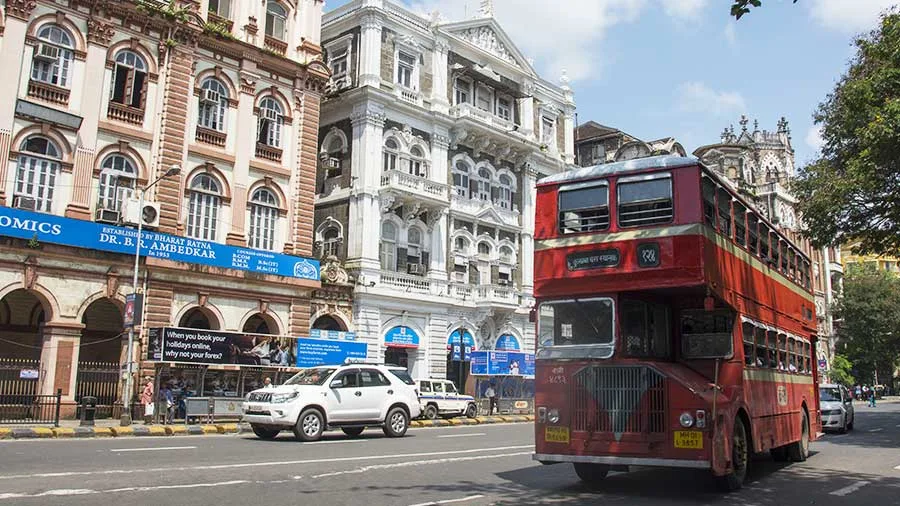
The 2025 amendments raise employee thresholds for compliance from 10 to 20 workers.
Daily working hours have been extended from 9 to 10 hours, while maintaining a 48-hour weekly limit.
Establishments with fewer than 20 workers now only need to submit a business commencement intimation.
The Maharashtra government has enacted significant amendments to the Shops and Establishments Act, effective from October 1, 2025. These changes aim to streamline compliance requirements for businesses, particularly smaller establishments. The revised legislation increases the threshold for mandatory registration from 10 to 20 workers, allowing smaller businesses to operate with reduced regulatory burdens.
Historically, the Maharashtra Shops and Establishments Act, established in 2017, has provided a legal framework governing employment conditions across various sectors, including retail, hospitality, and professional services. The recent amendments reflect ongoing efforts to adapt the law to the evolving business landscape, ensuring that compliance is manageable for smaller entities while still protecting employee rights.
Key changes introduced in the 2025 amendments include an increase in permissible daily working hours from 9 to 10, an extension of continuous work periods before mandatory rest from 5 to 6 hours, and a rise in the daily spread-over limit from 10.5 to 12 hours. Despite these changes, the weekly working limit remains capped at 48 hours. Furthermore, establishments employing fewer than 20 workers are now required to submit an intimation of business commencement instead of undergoing full registration, simplifying the process for small businesses.
The implications of these amendments are significant for the business community in Maharashtra. By easing compliance requirements, the government aims to foster a more conducive environment for entrepreneurship and economic growth. This is particularly relevant for small and medium enterprises (SMEs), which often face challenges in navigating complex regulatory frameworks. The changes are expected to encourage more businesses to formalize their operations, thereby enhancing labor rights protections and workplace safety standards.
Looking ahead, businesses in Maharashtra must adapt their HR policies and compliance strategies to align with the new regulations. Companies should ensure that their employee records, payroll systems, and operational practices reflect the updated legal requirements. As the state continues to evolve its labor laws, businesses will need to stay informed about future amendments and compliance obligations to maintain operational integrity and employee welfare.