Maharashtra's Drought Crisis: Rethinking Crop Choices
As Maharashtra faces persistent drought, experts urge a shift towards sustainable, low-water crops to combat the crisis.
Two-thirds of Maharashtra is drought-prone, exacerbated by climate change.
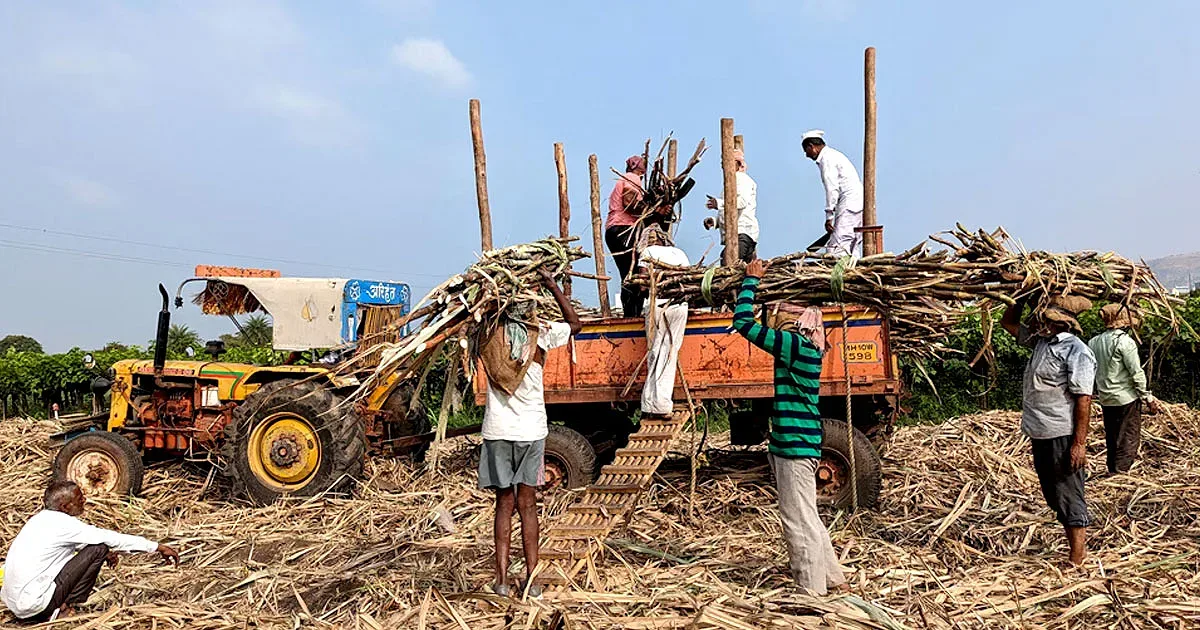
Small farmers and laborers are disproportionately affected by drought conditions.
Experts recommend promoting low-water crops like jowar and bajra through better pricing and government support.
Maharashtra is grappling with a severe drought affecting nearly two-thirds of the state, a situation worsened by climate change. Experts emphasize the urgent need for a strategic shift in agricultural practices to mitigate the impact of recurring droughts. K J Joy, a prominent member of the Society for Promoting Participative Ecosystem Management, highlights the uneven distribution of water resources across districts, with some areas suffering more than others.
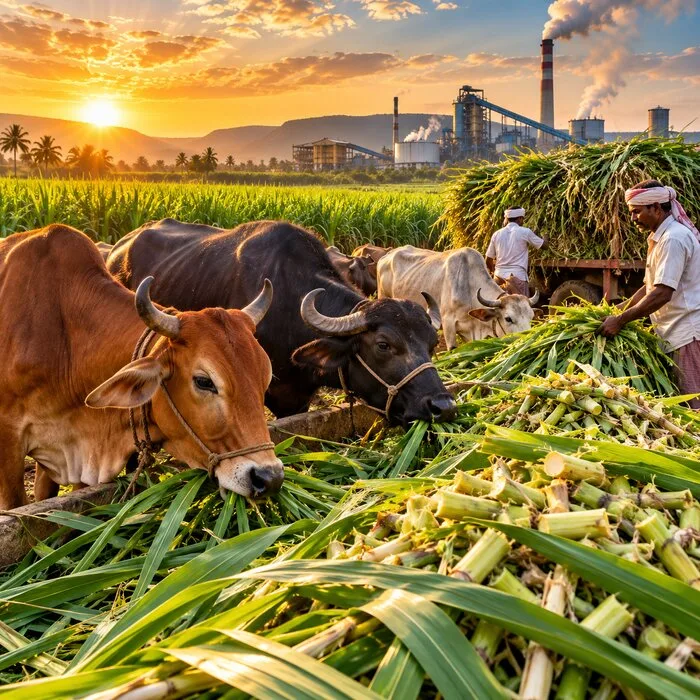
The historical context of Maharashtra's agricultural challenges reveals a reliance on water-intensive crops such as sugarcane and rice, which are not sustainable in the long term. Joy suggests that the state should adopt a more nuanced approach to crop planning, focusing on low-water crops that can thrive in the region's climatic conditions. He argues that the government must incentivize farmers to grow crops like jowar and bajra by offering better purchase prices and integrating these crops into government nutrition programs.
Official assessments of drought-hit areas have been criticized for their lack of granularity. Joy advocates for a participatory assessment approach that involves local communities in identifying those most in need of support. He stresses the importance of targeting aid to small and marginal farmers, who are often the hardest hit by drought conditions. The Kelkar Committee's recommendations for assessing developmental backlogs could serve as a model for identifying vulnerable populations in need of immediate assistance.
The implications of the current drought extend beyond immediate agricultural concerns, affecting drinking water supplies and employment opportunities. Joy warns that the situation is likely to worsen as the rabi season approaches, with many farmers unable to plant due to financial constraints. He calls for immediate actions, including the identification of villages facing drinking water shortages and the provision of livestock support, to alleviate the crisis.
Looking ahead, Joy emphasizes the need for systemic changes in Maharashtra's approach to drought management. He proposes three key reforms: ensuring equitable access to water as a human right, adopting agro-ecologically suitable cropping patterns, and revising procurement policies to favor low-water crops. These changes could help build resilience against future droughts and support the livelihoods of vulnerable farming communities.