Hingoli Mandates 30% Sugarcane for Livestock Feed Amid Drought
In response to drought conditions, Hingoli district orders sugar mills to allocate a portion of sugarcane for animal fodder.
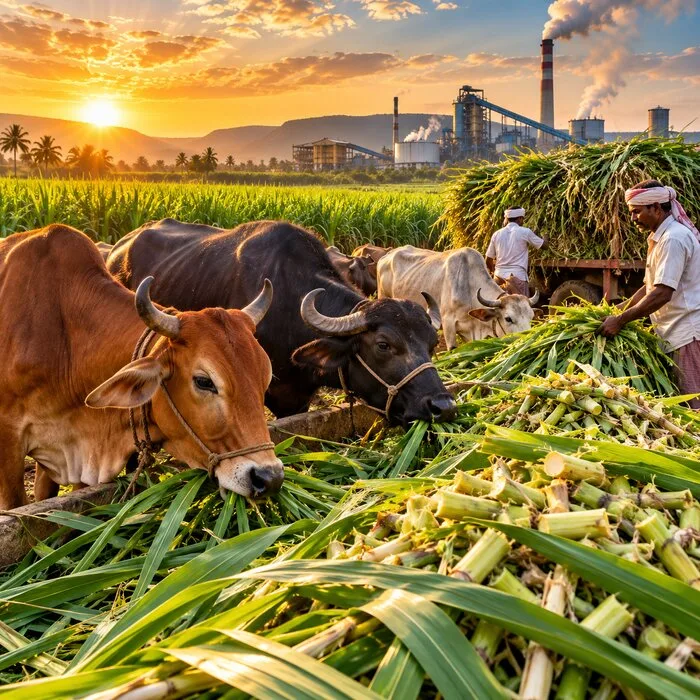
Hingoli directs sugar mills to reserve 30% of sugarcane for livestock.
Manual harvesting is mandated to prevent wastage of sugarcane tops.
All five talukas in Hingoli are affected by drought, impacting cattle feed availability.
In a significant move to combat the ongoing drought crisis, the Hingoli district administration in Maharashtra has mandated that sugar mills reserve 30% of their sugarcane harvest for livestock fodder. This directive aims to alleviate the shortage of cattle feed that has arisen due to adverse weather conditions affecting the region.
The district's authorities have recognized the pressing need for adequate fodder supplies, especially as all five talukas in Hingoli have been declared drought-affected. District Collector Rahul Gupta announced these measures in a press release, emphasizing the importance of ensuring that livestock have sufficient feed during this challenging period.
To maximize the use of sugarcane as animal fodder, the administration has instructed sugar factories to switch from mechanical to manual harvesting methods. This change is crucial as mechanical harvesting often results in the loss of sugarcane tops, which are valuable for feeding cattle. By implementing manual harvesting, farmers can collect these tops and reduce wastage, thereby addressing the increasing demand for livestock feed.
The implications of this directive extend beyond immediate fodder availability. By ensuring that sugarcane tops are utilized effectively, the district aims to support local farmers and livestock owners who are struggling amidst the drought. The decision is expected to foster a more sustainable approach to agricultural practices in the region, benefiting both the economy and the agricultural community.
Looking ahead, the Hingoli district administration has urged sugar mills to comply with the new guidelines promptly. As the drought continues to impact the region, authorities are closely monitoring the situation to ensure that adequate measures are in place to support livestock and mitigate the effects of the ongoing crisis.